Democratic Fundraising Surge in Critical Senate Contests, Yet GOP Maintains Financial Strength
Cyberzenhub.com – According to campaign finance documents submitted to the Federal Election Commission this week, Democratic candidates secured greater fundraising totals than their Republican counterparts across several pivotal Senate races during the second quarter of the election cycle. The financial reports reveal a mixed picture, with Democrats leading in many contests while Republicans continue to hold substantial war chests heading into the general election.
Texas Sets New Fundraising Benchmark
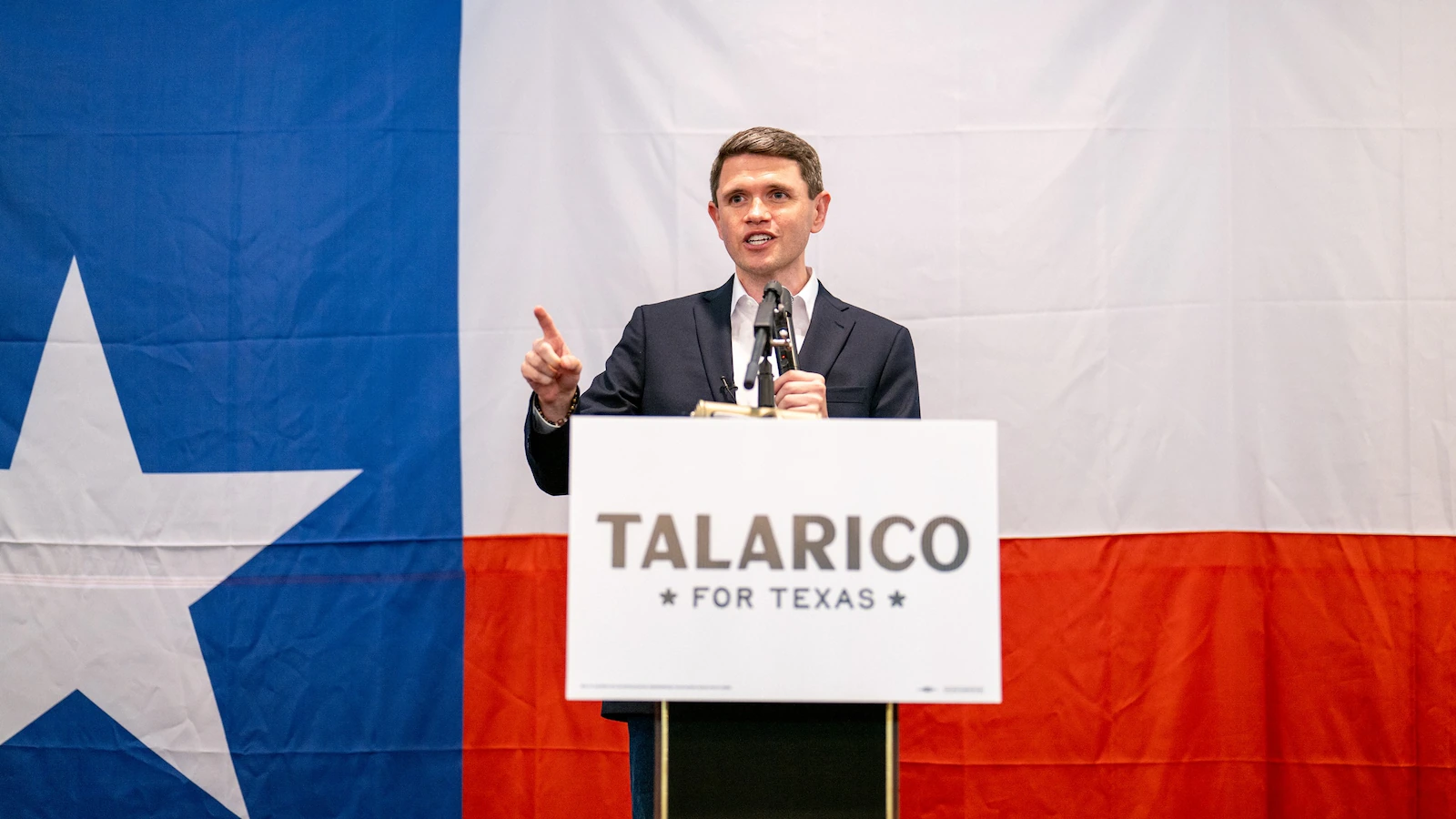
Perhaps the most striking development emerged from Texas, where Democratic Senate candidate James Talarico shattered previous records with an extraordinary fundraising performance. Talarico’s second-quarter haul exceeded Republican Attorney General Ken Paxton’s total by more than $26 million, establishing a new benchmark for quarterly fundraising in Texas Senate history.
When examining the broader context of Texas Democratic Senate campaigns, Talarico’s achievement becomes even more impressive. During his 2018 presidential bid, Beto O’Rourke accumulated just under $24 million for his Senate campaign by this point in the cycle. MJ Hegar raised $6.6 million in 2020, while Colin Allred surpassed $38 million in 2024. Despite these substantial totals, all three Democratic candidates ultimately fell short in their general election contests.
Talarico has now amassed nearly $69 million throughout the entire election cycle, with more than $21 million remaining available for expenditure. His primary super PAC, Lone Star Rising, contributed $12.7 million during the second quarter alone, with the majority of those funds coming from LinkedIn co-founder Reid Hoffman. Meanwhile, Paxton raised $2.2 million in the quarter and maintains approximately $1.8 million in cash reserves. The Republican super PAC supporting Paxton, Lone Star Liberty, gathered roughly $4.3 million but holds only about $35,000 in liquid funds.
Other Key Races Show Democratic Momentum
Beyond Texas, Democratic candidates demonstrated strong fundraising capabilities in multiple states. In Georgia, Senator Jon Ossoff collected nearly ten times the amount raised by Republican Representative Mike Collins. Ohio’s Democratic Senator Sherrod Brown also outperformed his Republican challenger, Senator Jon Husted, by approximately $10 million.
However, Republican financial resilience remains evident in certain contests. Alaska Democrat Mary Peltola exceeded Republican Dan Sullivan’s fundraising by nearly $5 million. Yet Sullivan’s conservative spending strategy—expenditures under $1 million during the second quarter—has left him with over $8 million in available funds, placing him $1 million ahead of Peltola in cash on hand.
Republican Super PACs and Party Committees Lead
Republican organizational entities continue to demonstrate considerable financial strength. The Senate Leadership Fund, the premier Republican super PAC connected to Senate Majority Leader John Thune, surpassed its Democratic counterpart, the Senate Majority PAC, by almost $20 million. Similarly, the National Republican Senatorial Committee reported a cash-on-hand advantage exceeding $10 million over the Democratic Senatorial Campaign Committee in their latest monthly filings.
At the national level, the Republican National Committee maintains over $125 million in its treasury, while the Democratic National Committee carries debt. MAGA Inc., the super PAC affiliated with Donald Trump, holds an impressive $382 million on hand according to its most recent report.
Musk’s Growing Republican Influence
Elon Musk has solidified his position as one of the Republican Party’s most significant financial backers during this midterm cycle, despite previous disagreements with Trump. The technology entrepreneur has committed at least $90 million to Republican causes, including a recent $5 million contribution to Vivek Ramaswamy’s super PAC, V-PAC. Ramaswamy currently campaigns for Ohio governor against Amy Acton, and Musk has publicly endorsed his candidacy following notable tensions between the two men while co-leading the Department of Government Efficiency.
Musk’s personal super PAC, America PAC, has maintained a relatively subdued presence since last year, when Brad Schimel—Musk’s preferred candidate for the Wisconsin Supreme Court—suffered a decisive 10-point defeat. America PAC and affiliated organizations had previously invested millions in Schimel’s campaign efforts.