DOJ Defers to Redactions, Argues Transparency Measures Were Justified
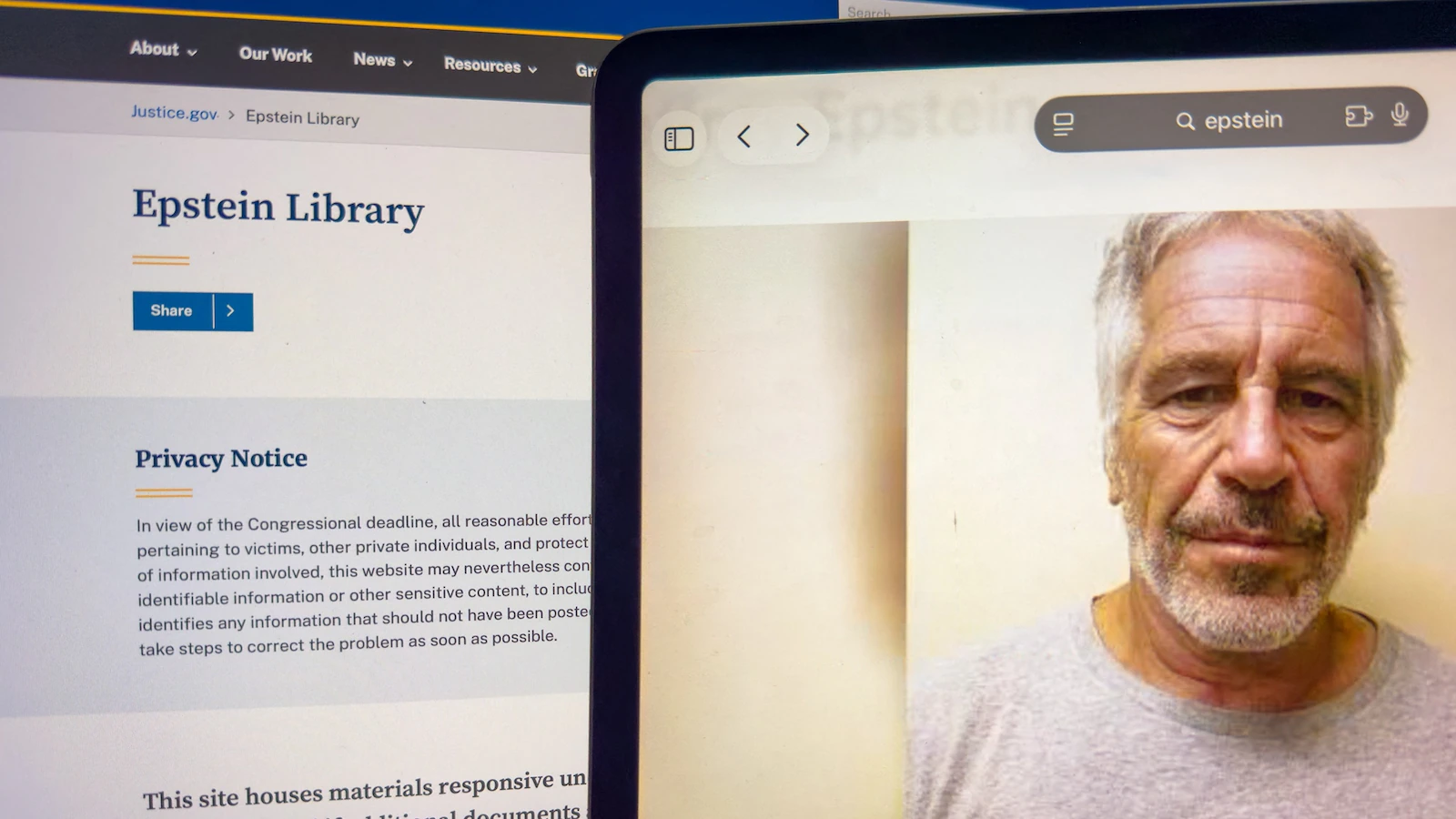
Cyberzenhub.com – On Thursday, the Department of Justice announced its decision to withhold additional information from the Epstein files, as mandated by a court ruling. The agency maintained that the records, which had already been partially disclosed, were appropriately redacted to safeguard sensitive victim data and adhere to legal protocols. This move came after a judge ordered the release of more documents, setting a deadline for the DOJ to either submit them or justify their retention. The department’s argument centered on the necessity of protecting personal details of individuals involved in the case, particularly those who had shared intimate communications with the late financier Jeffrey Epstein.
Request for Extension Sparks Legal Debate
Hours before the deadline, Associate U.S. Attorney General Stanley Woodward petitioned the court to extend the timeline for submitting the materials or dismiss the order altogether. In his submission, he emphasized the DOJ’s stance that the redactions were legally sound and essential to maintaining privacy. “Although the Government strongly disagrees with the Court’s ruling that the Epstein Files Transparency Act is enforceable by private parties through the Administrative Procedure Act, the Government welcomes this opportunity to resolve any confusion regarding the records at issue in this case,” Woodward wrote. The request highlighted a broader disagreement over the scope of the law and the extent to which the DOJ should be compelled to release materials.
Woodward’s argument hinged on the idea that certain documents, such as email exchanges, contained redacted information to shield victims’ identities. He specifically mentioned a 2007 indictment draft from the Southern District of Florida, noting that the redactions were already present in the original file obtained by the DOJ. According to the statement, the department had been unable to locate an unredacted version of the specific photocopy in question, raising questions about the availability of complete records. This point underscored the technical challenges of ensuring full transparency while protecting sensitive details.
Victim Privacy as Key Justification
One of the central reasons cited for redactions was the potential exposure of victims’ personal identifiable information (PII). Woodward explained that many communications, particularly those written by victims themselves, could appear “disturbing on their face” without context. For example, in a specific email, the sender and recipient details were removed to prevent the public from identifying individuals who had shared vulnerable or confidential information. This approach, he argued, was necessary to avoid reputational harm or emotional distress to those involved.
The redaction of handwritten interview notes from a woman who alleged sexual misconduct against President Donald Trump also drew attention. The DOJ claimed these notes were “deemed duplicative” of the typewritten reports that had already been released. However, the handwritten format was described as complicating the redaction process, especially due to limitations in the department’s ability to perform rigorous quality control checks. “Their handwritten nature further complicates the redaction process and increases the risk of inadvertent disclosure of victim PII,” Woodward noted, suggesting that the format itself posed challenges to maintaining privacy.
Despite these justifications, the court had previously ruled that the DOJ had failed to meet the requirements of the Epstein Files Transparency Act (EFTA). The judge, Emmet Sullivan, concluded that the department’s arguments were insufficient and that withholding materials had caused harm to the public interest. Sullivan’s decision emphasized the importance of transparency, particularly in light of the role played by journalist Katie Phang, whose work had been central to the case. The Public Integrity Project, a public interest law firm, had demonstrated that the withholding of documents had hindered Phang’s ability to report accurately on the case.
DOJ’s Compliance and Ongoing Criticism
The DOJ began releasing thousands of pages of Epstein-related documents late last year, following the passage of the EFTA. This initiative aimed to provide the public with a comprehensive view of the case while balancing the need to protect individuals’ privacy. However, the release process faced scrutiny from some lawmakers who questioned whether the department had fully adhered to the law. Critics argued that the DOJ had missed deadlines and had withheld key materials, potentially undermining the transparency promised by the act.
Acting Attorney General Todd Blanche has consistently defended the DOJ’s compliance with the EFTA, stating that the agency had followed all statutory requirements. Yet, the case has sparked a contentious debate over the interpretation of the law. Woodward’s assertion that the DOJ had not “knowingly violated” the EFTA, nor had it ever acknowledged doing so, contrasted with the judge’s conclusion that the department had effectively conceded to the act’s enforceability. This divergence in perspectives has fueled discussions about the balance between public accountability and the protection of sensitive information.
Broader Implications for Legal Transparency
The dispute over the Epstein files has broader implications for how government agencies handle transparency requests. The EFTA, designed to ensure the release of documents related to Epstein’s criminal activities, has become a focal point for debates about the limits of public access. While the DOJ maintains that its redactions were necessary, critics argue that the process could have been more thorough or that some materials were unnecessarily withheld. This case has also raised questions about the role of private parties in enforcing transparency laws and the potential for legal challenges to influence the release of information.
Jeffrey Epstein’s case remains a symbol of the complexities surrounding sexual misconduct allegations and the legal mechanisms used to address them. The redactions in question have been part of a larger effort to shield victims from public scrutiny, a decision that has been both praised and contested. The ongoing debate reflects the tension between the right to privacy and the public’s right to know, as well as the challenges of navigating legal requirements in high-profile investigations. As the DOJ continues to defend its actions, the case underscores the importance of clear guidelines for redaction and disclosure in ensuring both accountability and protection for those involved.
Context and Timeline of the Epstein File Release
Since the initial release of the Epstein files, the Department of Justice has faced a mix of praise and criticism. The documents, which span multiple years of Epstein’s activities, were first disclosed in late 2025, following the passage of the EFTA. This marked a significant step in the transparency process, but the release was not without controversy. Some lawmakers expressed concerns that the DOJ had not fully complied with the law, particularly after missing the original deadline for submission. The delay in releasing certain materials has been cited as a factor in the ongoing legal battles, with advocates for transparency arguing that the public deserves access to all relevant information.
Woodward’s recent arguments reinforce the DOJ’s position that the redaction process was both necessary and legally justified. The agency has emphasized that it has worked diligently to comply with the law, even as it faces pressure to release more documents. The case has also highlighted the role of the judge in mediating between the DOJ and the public interest, with Sullivan’s ruling serving as a critical turning point. His decision to require the release of unredacted materials has put the DOJ in a difficult position, forcing it to defend its methods in a public forum.
As the legal proceedings continue, the Epstein files remain a key point of contention. The debate over redactions and transparency is likely to shape future discussions about how government agencies manage sensitive information. Whether the DOJ’s actions align with the spirit of the EFTA or represent a strategic effort to minimize public scrutiny will depend on the outcome of the ongoing litigation. For now, the agency stands by its decision, asserting that its measures have been both appropriate and essential to protecting the rights of those involved in the case.
Conclusion and Legal Challenges
The DOJ’s refusal to turn over additional Epstein files has intensified legal challenges, with the Public Integrity Project and other advocates pushing for full disclosure. The redactions, while justified on the grounds of privacy, have sparked debates about the extent of the department’s compliance with the law. As the case unfolds, it serves as a reminder of the complexities inherent in balancing transparency with the protection of individuals’ rights. The outcome of this dispute will not only determine the future of the Epstein files but also set a precedent for how similar cases are handled in the years to come.