Clayton Faces Election Questions as DNI Nominee
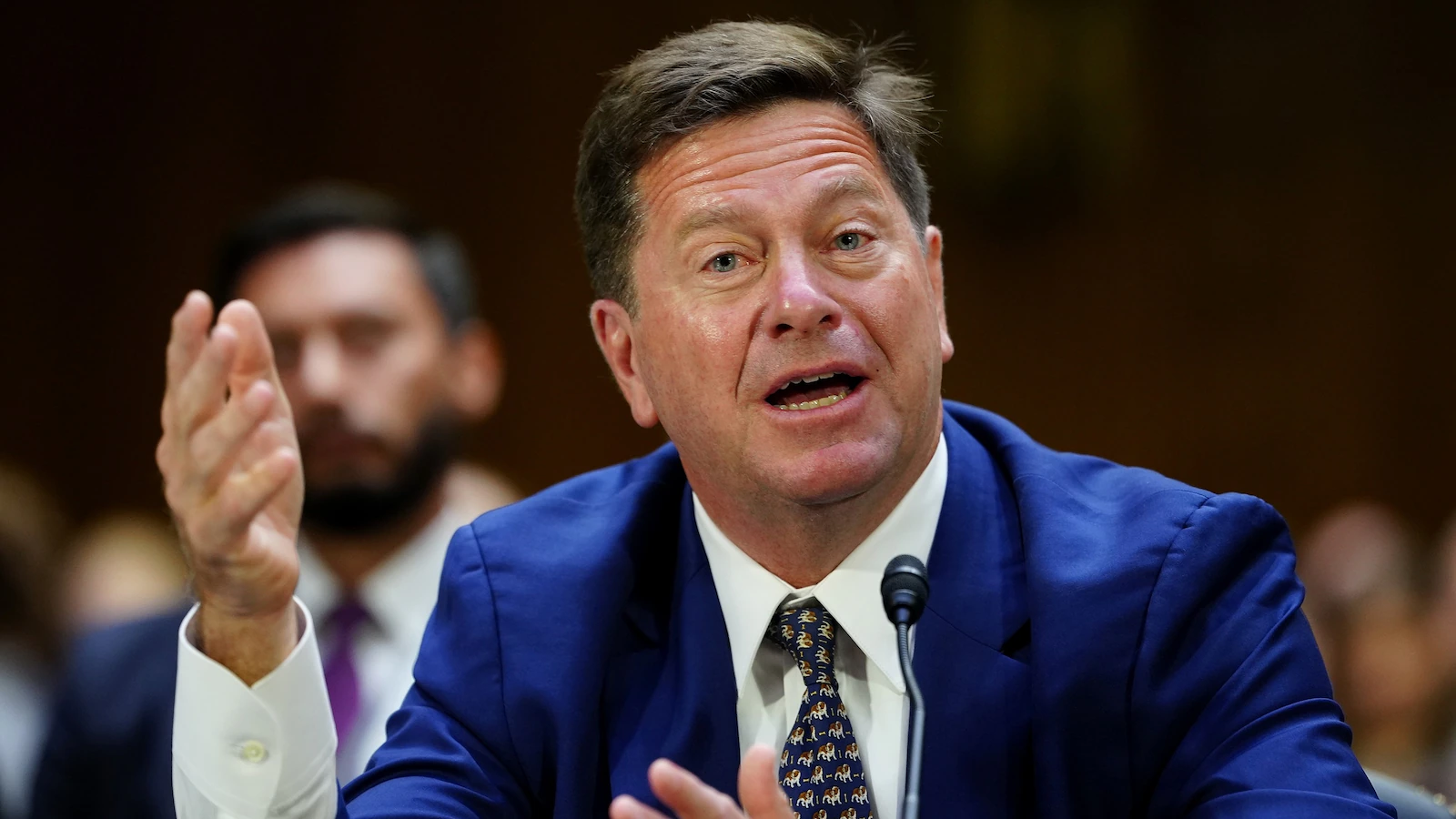
Cyberzenhub.com – During a significant confirmation hearing on Capitol Hill on July 15, 2026, Jay Clayton, President Donald Trump’s choice to head the national intelligence community, confronted a barrage of questions from Democratic senators on the Senate Select Committee on Intelligence. The primary subject of discussion centered on Clayton’s views regarding the 2020 presidential election. Although the former U.S. Attorney for the Southern District of New York acknowledged that Joe Biden received official certification as president, he carefully avoided directly affirming that Biden had legitimately won the race. This measured approach led to extensive questioning from committee members seeking clarity on his position concerning election integrity.
Addressing Election Denial Concerns
Sen. Mark Warner, the committee’s ranking Democrat, challenged Clayton on whether he considered himself an election denier. The senator wanted to understand Clayton’s perspective on the controversies that emerged following the 2020 vote. Clayton responded with a straightforward statement that addressed these concerns directly.
“I’m not an election denier,” Clayton declared. “Joe Biden was certified as the president of the United States.”
While this response provided some clarity, Clayton’s wording remained deliberately precise. He emphasized the certification process without making a definitive claim about the legitimacy of Biden’s victory. This distinction became a focal point for further inquiry from committee members who wanted to understand his position more thoroughly.
Context of the Confirmation Process
Clayton’s confirmation hearing took place against the backdrop of ongoing debates about election integrity and the role of intelligence agencies in monitoring domestic threats. As DNI nominee, Clayton would oversee the entire intelligence community, making his views on domestic issues particularly relevant. His careful language during the hearing reflected both his legal background and his awareness of the political sensitivity surrounding the 2020 election results.
The hearing also highlighted the broader implications of Clayton’s nomination. Lawmakers from both parties recognized that his leadership would shape how the intelligence community addresses future challenges, including potential threats to democratic processes. Clayton’s measured responses demonstrated his understanding of these responsibilities as he navigated through the confirmation process.
Throughout the session, Clayton maintained consistency in his statements while allowing for nuanced interpretation of his position. His approach satisfied many committee members while leaving room for further discussion about his views on election matters. The confirmation process ultimately reflected the complex intersection of politics, law, and intelligence that characterizes American governance.