South Carolina Senator Lindsey Graham’s Passing Initiates Senate Seat Succession Process
Immediate Steps for Completing the Term
Cyberzenhub.com – The political landscape of South Carolina has been transformed following the unexpected death of Senator Lindsey Graham on Saturday. The 71-year-old Republican, who had been serving in the U.S. Senate, leaves behind a complex succession process that will determine how his seat is filled for the remainder of his term and beyond. Graham had been preparing for reelection this year and had successfully secured his party’s nomination, capturing nearly 60% of the vote in last month’s Republican primary.
His sudden passing has set in motion a series of legal and procedural steps designed to ensure continuity in South Carolina’s representation in the Senate. The current term, which Graham was serving, is scheduled to expire in January of next year. However, voters will also have the opportunity to elect a new senator during the November general election, creating a dual-track process for filling the vacancy.
State Law and the Governor’s Role
Under South Carolina state law, the succession process follows a specific sequence of events. Governor Henry McMaster holds the authority to appoint a temporary replacement for Graham, ensuring that the state maintains full representation in the Senate while the special election is organized. Following this appointment, the governor must establish a date for a special primary election, which will determine which candidate will appear on the November ballot alongside the Democratic nominee.
While there is no fixed statutory deadline requiring the governor to make the appointment, the law mandates that the special election must be announced within five days following the appointment of the temporary senator. This relatively tight timeframe ensures that the electoral process moves forward without unnecessary delay, allowing South Carolina voters to have their voice heard in a timely manner.
Looking Ahead to the Special Election
ABC News has contacted the South Carolina Election Commission, the body responsible for overseeing elections throughout the state, to clarify the timeline for the special election. The commission’s guidance will be crucial in determining when voters will cast their ballots in the special primary and when the eventual winner will face Democratic nominee Annie Andrews in November.
Among those being considered as potential candidates for the special election is Representative Nancy Mace. A source close to Mace confirmed to ABC News that she is actively considering entering the race. Mace, who has established herself as a staunch ally of President Donald Trump, previously vacated her House seat to pursue an unsuccessful campaign for South Carolina governor earlier this year. Her potential return to public office through the Senate would represent a significant development in state politics.
Graham’s Legacy and Political Impact
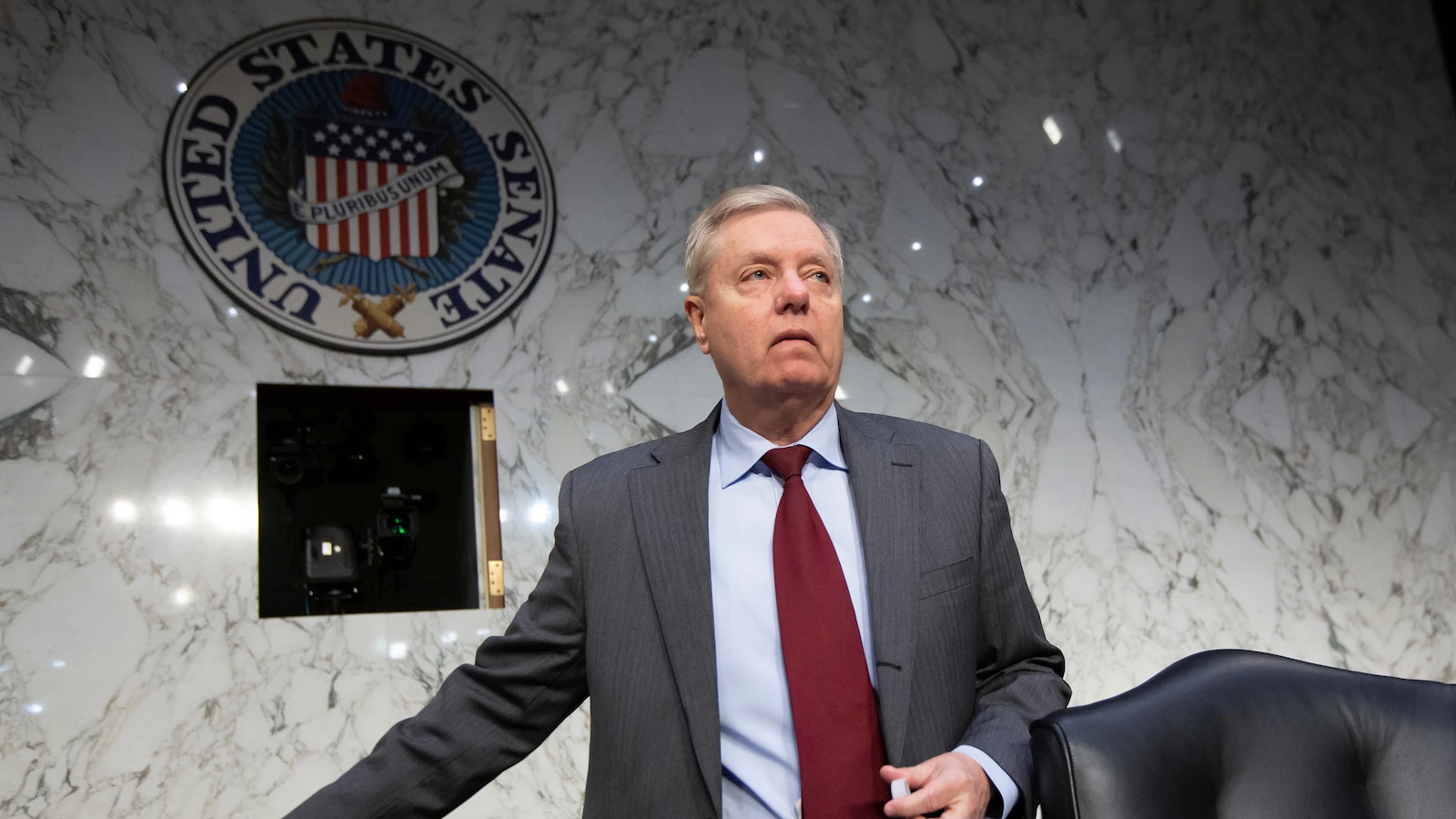
Lindsey Graham’s death marks the end of a distinguished political career that spanned decades. As the new Chairman of the Senate Judiciary Committee, Graham had positioned himself as a key figure in congressional affairs. His presence was notably captured on January 15, 2019, when he took his seat at the start of the confirmation hearing for William Barr to serve as attorney general, a moment documented by photographer J. Scott Applewhite for the Associated Press.
The senator’s passing has prompted widespread reflection on his contributions to both South Carolina and national politics. A longtime senator and prominent ally of President Trump, Graham’s influence extended beyond his legislative work to encompass his role as a bridge between different factions within the Republican Party. His death has also sparked public interest in understanding the medical circumstances surrounding his passing, with related coverage focusing on aortic dissections as a potential cause.
What Comes Next
As South Carolina prepares for this transitional period, the state’s political community awaits the governor’s appointment and the subsequent scheduling of the special primary. The outcome of this election will not only determine who completes Graham’s term but also shape the future direction of South Carolina’s representation in the Senate. Whether through the temporary appointment or the eventual special election winner, the state will maintain its voice in the nation’s capital during this period of change.
The coming weeks and months will see intense political activity as candidates prepare for the special primary and voters consider their options. With Annie Andrews already positioned as the Democratic nominee, the November election promises to be a competitive contest that will define South Carolina’s Senate seat for years to come.