Obama Expresses Skepticism About New Iran Agreement
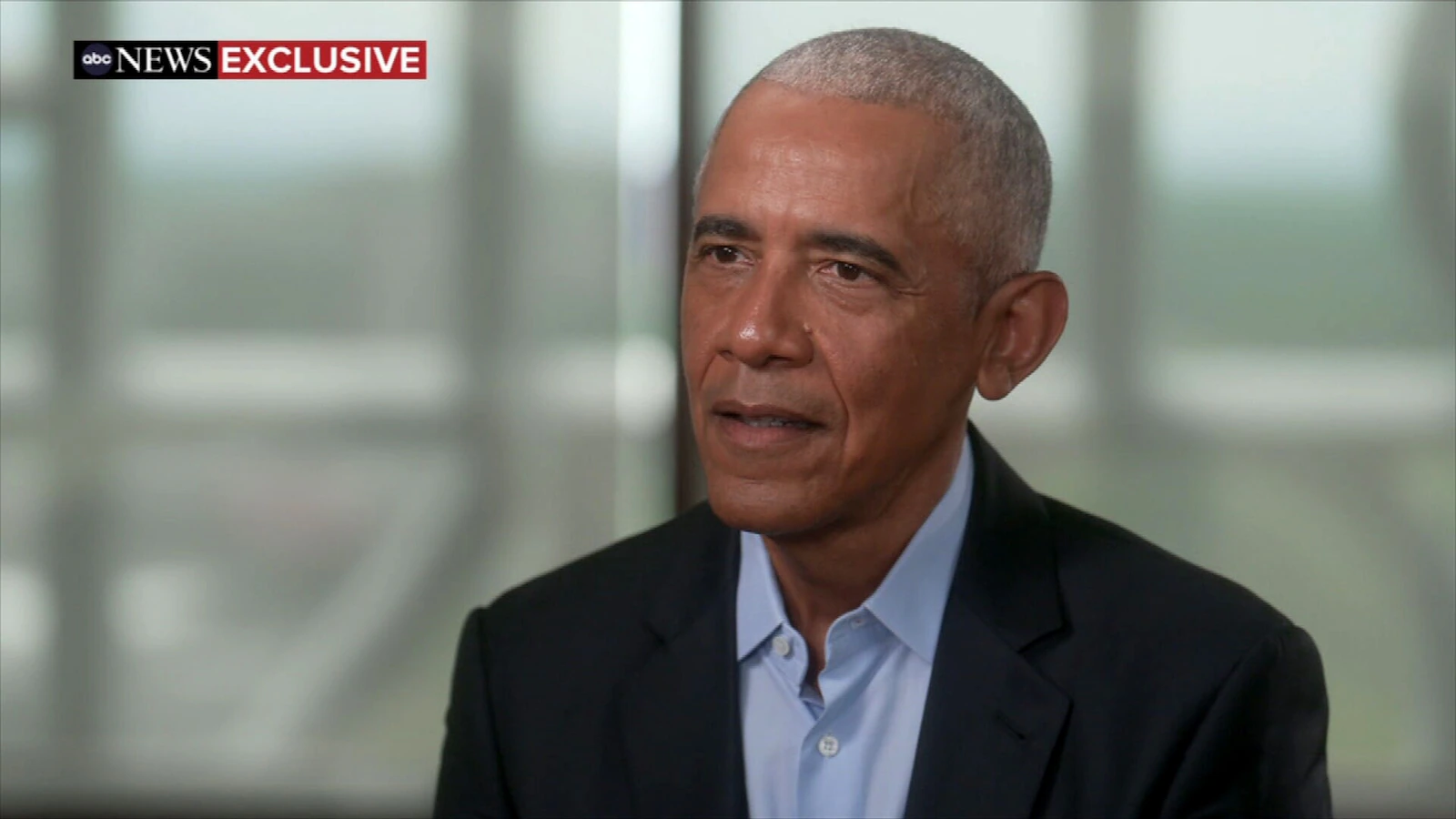
Cyberzenhub.com – Former President Barack Obama has voiced doubts about the effectiveness of the Trump administration’s latest Iran agreement, suggesting it may not mark a substantial shift from past diplomatic efforts. During an interview with Good Morning America co-anchor Robin Roberts at the Obama Presidential Center in Chicago on June 13, 2026, Obama highlighted his concerns regarding the potential outcomes of the new deal. The discussion took place just one day before Trump publicly announced the agreement, which would reopen the Strait of Hormuz and lift the U.S. naval blockade on the region. Despite the announcement, the specifics of the deal remain unclear, leaving many questions about its long-term implications for U.S.-Iran relations.
Historical Context of the 2015 Nuclear Deal
Obama’s remarks come eight years after Trump’s decision to withdraw the United States from the 2015 Joint Comprehensive Plan of Action (JCPOA), a landmark nuclear deal negotiated under Obama’s leadership. At the time of withdrawal, Trump criticized the agreement as the “worst deal ever,” arguing it did not adequately address Iran’s regional influence or its nuclear ambitions. The 2015 deal, however, had been a major achievement in containing Iran’s nuclear program by imposing strict limitations on its enrichment activities in exchange for sanctions relief. Obama, who championed the agreement, emphasized that it represented years of careful diplomacy and compromise.
“I’m doubtful that any agreement that arises is going to be significantly different or a significant improvement from the deal that we had in the first place and had worked for, for a long stretch of time before we, the United States, pulled out of it,” Obama told Roberts during the interview.
Obama’s skepticism extends to the Trump administration’s approach, which he believes has prioritized rapid action over sustained negotiation. He pointed out that while the new agreement aims to restore access to the Strait of Hormuz, it may not address the deeper strategic challenges between the two nations. “It seems like every so often we have to relearn that lesson again,” Obama added, referring to the importance of diplomacy in resolving complex foreign policy issues.
Deal Announcements and Negotiation Process
Trump’s announcement on June 14, 2026, marked the culmination of several months of negotiations. Following an initial ceasefire and stalled talks in Pakistan earlier that year, the U.S. and Iran resumed discussions with the hope of reaching a mutually beneficial agreement. The deal, which was confirmed by Iranian Deputy Foreign Minister Kazem Gharibabadi, would be signed in Switzerland, as per the administration’s plan. Gharibabadi stated that the agreement includes key points from both sides, such as the dismantling of Iran’s nuclear program and the U.S. securing its enriched uranium stockpiles.
“All of our positions and important issues are included in the draft understanding,” Gharibabadi said in a statement to Iranian state media.
While the agreement is expected to ease tensions temporarily, Obama remains cautious. He emphasized that the new deal could still leave critical issues unresolved, particularly regarding Iran’s ballistic missile program and its support for groups like Hezbollah. “The fact of the matter is that taking the time to explore diplomacy and exhaust the possibilities of coming up with deals that don’t solve 100% of the problem but solve 80%, 90% of the problem while avoiding the necessity of going to war,” Obama said, underscoring the value of negotiated solutions over military force.
Obama’s Call for Diplomacy Over Force
In addition to his comments on the agreement, Obama expressed hope that the ongoing conflict in the region could be mitigated. He urged policymakers to consider the human cost of continued warfare, stating, “I’m hopeful that bombing stops and ordinary people are no longer suffering as a consequence of the war.” Obama’s remarks reflect a broader belief in the necessity of diplomatic engagement, even when dealing with adversarial nations. He argued that while military action may appear expedient, it often leads to unintended consequences and prolonged instability.
Obama also highlighted the importance of patience in foreign policy. “You’d think we would’ve learned that lesson by now,” he remarked, suggesting that the U.S. has a tendency to revert to confrontational tactics rather than pursuing long-term alliances. This sentiment aligns with his critique of the Trump administration’s approach, which he described as less deliberate and more reactive. The contrast between the two administrations’ strategies has become a central theme in discussions about Iran policy, with Obama emphasizing the benefits of a structured, multilateral process.
Timeline of Key Events
Trump first announced “major combat operations” against Iran on February 28, 2026, following a series of joint U.S.-Israeli strikes targeting Iranian military, government, and infrastructure sites. This aggressive stance set the stage for the subsequent negotiations, which began in earnest after the initial ceasefire. Over the following months, diplomats from both sides worked to establish a framework that would balance Iran’s regional ambitions with U.S. security interests. The final agreement, signed in Switzerland, was the result of these prolonged discussions and a willingness to revisit the terms of the 2015 deal.
The new deal’s focus on reopening the Strait of Hormuz and ending the naval blockade has been met with mixed reactions. While some view it as a step toward stability, others argue that it may not address the root causes of the conflict. Obama, who had previously criticized the 2015 agreement as insufficient, now questions whether the Trump administration has learned from its past mistakes. “It’s a reminder that on a lot of difficult foreign policy problems, the notion that we can just bully our way or bomb our way to solutions may sometimes seem appealing,” he said. “But the reality is that diplomacy often requires more time and effort, yet it yields more sustainable results.”
Looking Ahead: The Role of Media and Public Perception
Obama’s interview with Roberts provided an opportunity to reflect on the broader implications of the agreement. The former president noted that public opinion and media coverage play a crucial role in shaping foreign policy decisions. “When people see the results of diplomacy, it can change the narrative around conflict,” he said. However, he also warned that the deal’s success will depend on its implementation and the willingness of both sides to uphold their commitments. The upcoming Good Morning America broadcast on June 17 will offer further insights into Obama’s views, as well as the challenges and opportunities ahead.
The U.S. and Iran’s recent agreement represents a significant moment in their contentious relationship, but it also raises questions about the sustainability of such diplomatic efforts. With tensions remaining high, the deal’s effectiveness will be closely watched by analysts and policymakers alike. As Obama emphasized, the key to long-term success lies in maintaining a balance between firmness and flexibility, ensuring that agreements are not only signed but also honored. The path forward remains uncertain, but the renewed dialogue signals a potential shift in how the two nations approach their differences.