Supreme Court Unanimously Upholds Marijuana Users’ Right to Own Firearms
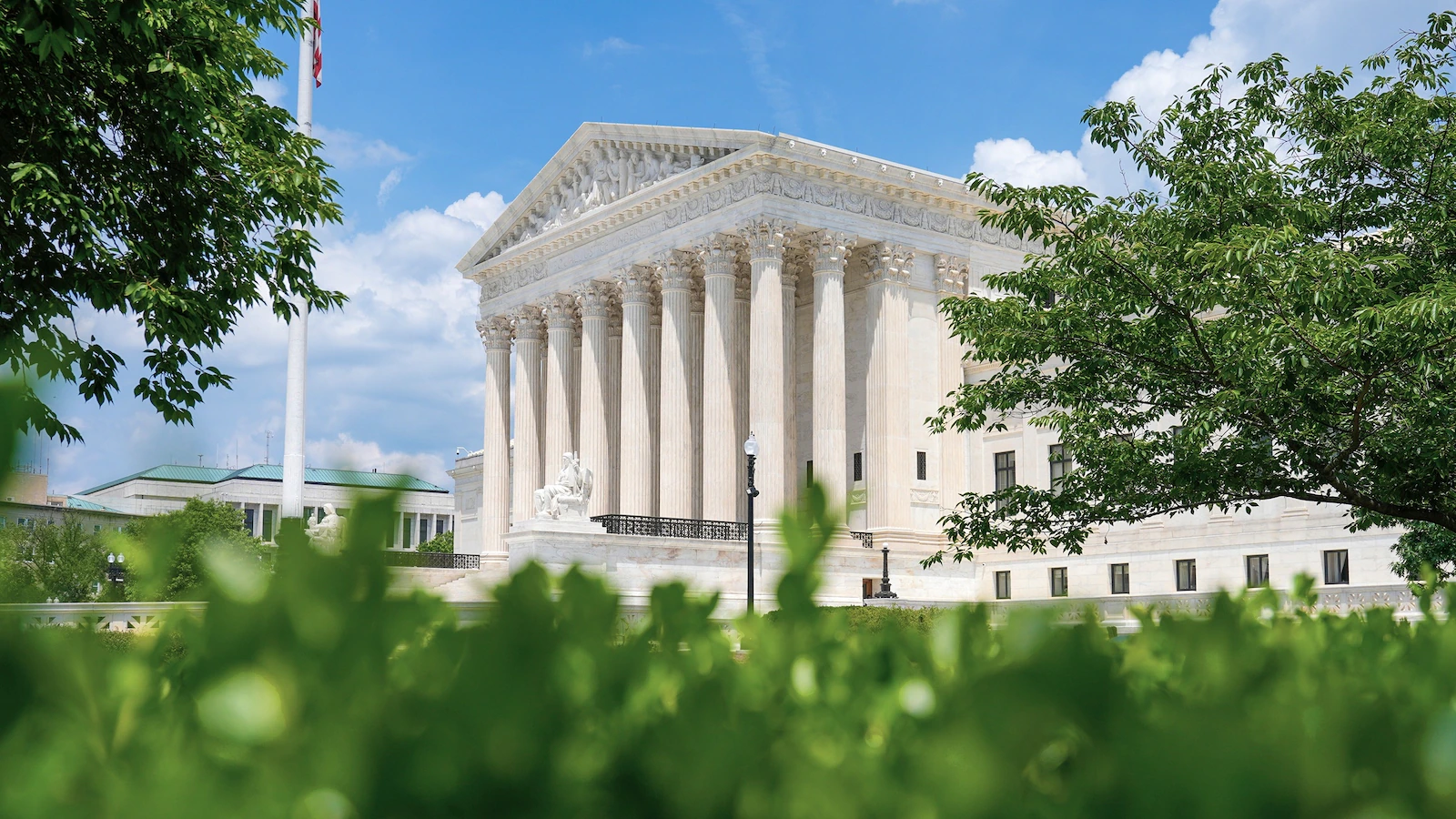
Cyberzenhub.com – On Thursday, the U.S. Supreme Court delivered a landmark ruling that reshaped federal gun laws by allowing certain marijuana users to retain their right to own firearms. In a 9-0 decision, the justices declared unconstitutional the longstanding federal ban on guns for individuals with a history of unlawful drug use when applied to a specific case involving a Texas resident. This ruling marks a significant shift in the legal landscape, offering protection to millions of cannabis users who previously faced potential criminal charges for possessing firearms.
Case Background and Legal Context
The case centered on Ali Hemani, a Texas man who admitted to using marijuana “every other day” while keeping a Glock 9mm pistol in his home. Federal authorities charged him under a provision of the law that prohibits gun ownership for individuals with a history of drug use. However, the court found that this application of the ban was overly broad and violated the Second Amendment. Hemani was neither intoxicated nor in possession of the weapon at the time of his arrest, yet he faced prosecution for a single offense of unlawful possession.
The justices agreed with a federal appeals court’s earlier decision to dismiss Hemani’s indictment, which argued that the law’s application to him was unconstitutional. While the ruling does not overturn the broader framework of the drug-user gun ban, it narrows its scope, emphasizing that the government must demonstrate a specific danger before disqualifying someone from owning a firearm. Justice Neil Gorsuch, who authored the opinion, stressed that the law’s current form allows for excessive government power, potentially undermining the constitutional right to bear arms.
“We do not question that sometimes an individual’s unlawful use of marijuana (or any other controlled substance) may render him a danger to others,” Gorsuch wrote. “But, again, the government disclaims the need to show anything like that in this case. … Affording the government that kind of broad power to designate any group as dangerous and thereby disqualify its members from having a gun would risk allowing it to quickly swallow the Second Amendment.”
The decision highlights a key tension between federal drug policies and the right to bear arms. While more than 40 states have legalized marijuana in some form, the federal government still classifies it as a Schedule I substance. This discrepancy has led to legal challenges, as users in states where cannabis is legal often find themselves at odds with federal enforcement. The ruling underscores that the government cannot automatically strip firearms rights based solely on marijuana use, unless there is evidence of a direct threat.
Impact on Federal Prosecutions and Public Safety
According to the Justice Department, it prosecutes approximately 300 cases annually where a violation of the drug-user gun ban is the primary charge. The court’s opinion, however, clarifies that such prosecutions must be grounded in specific evidence rather than categorical assumptions. Gorsuch noted that the ruling does not invalidate other provisions of the law, which still prohibit guns for individuals who are intoxicated, addicted, or deemed a risk to themselves or others.
For example, the decision would not prevent the prosecution of Hunter Biden under the same law, as he was classified as a known drug addict at the time of his firearm possession. This distinction is crucial: the court’s focus is on limiting the federal ban’s application to marijuana users, while leaving intact other categories of individuals who pose a clear threat to public safety. The ruling aims to strike a balance between protecting gun rights and maintaining lawful restrictions for those who are more likely to endanger others.
Reactions from Advocacy Groups and Legal Experts
The American Civil Liberties Union (ACLU) celebrated the decision as a victory for individual freedoms. Cecillia Wang, the group’s legal director, stated in a statement to ABC News, “Today’s unanimous 9-0 decision makes it clear that the government cannot make it a crime for people to own a gun simply because they use marijuana. The Supreme Court has held this right as fundamental, and the ruling curbs arbitrary enforcement.” Wang also highlighted that nearly half of Americans report using marijuana at some point in their lives, underscoring the potential for widespread impact.
The National Rifle Association (NRA) echoed this sentiment, calling the ruling “a major victory for the Second Amendment and peaceable gun owners across America.” John Commerford, executive director of the NRA-ILA, emphasized that the decision reaffirms the principle that nonviolent conduct should not be grounds for firearm disqualification. “There is no historical justification for depriving people of their God-given right to keep and bear arms for engaging in nonviolent behavior,” he added.
Gun safety advocates, however, expressed cautious optimism. Kris Brown, president of Brady, a prominent gun safety organization, acknowledged the court’s narrowing of the law but noted that its core provisions remain intact. “Although the Court said the particular law at issue in this case cannot be upheld specifically as to the person challenging it, it reaffirmed the ability of legislatures to restrict firearms access for certain categories of people,” Brown explained. This view aligns with the belief that while marijuana users should not be automatically barred from owning guns, other groups—such as those with a history of addiction or intoxication—still warrant restrictions.
The ruling also has broader implications for federal drug policy. By limiting the scope of the ban, the court has set a precedent that could influence future cases involving other substances. Legal experts argue that this decision may encourage states to further decriminalize drug use, reducing conflicts between state and federal laws. The case serves as a reminder of the evolving relationship between drug policies and constitutional rights, with the potential to reshape how the government enforces firearm regulations.
As the debate over marijuana legalization continues, this decision signals a growing recognition of the rights of everyday users. It challenges the federal government to justify its broad application of the drug-user gun ban, ensuring that individuals are not unfairly targeted based on past cannabis use alone. For millions of Americans, the ruling represents a step toward more equitable enforcement of gun laws, preserving the Second Amendment while allowing for targeted restrictions where they are most justified.