U.S. Unmanned Drone Boat Rescues Crew Members After Iranian Drone Downed Helicopter
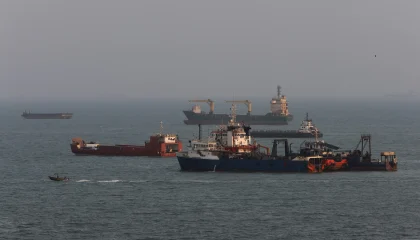
Cyberzenhub.com – In a dramatic maritime operation, a U.S. unmanned drone boat played a pivotal role in saving two crew members from a downed Army Apache helicopter near the Strait of Hormuz. The incident, which unfolded on Monday at 7:33 p.m. EDT, saw the pilots stranded in the waters off Oman, according to U.S. Central Command. President Donald Trump attributed the crash to Iranian drone actions, underscoring the escalating tensions in the region and the U.S. military’s response to the attack.
The Rescue Operation: A Breakthrough in Unmanned Technology
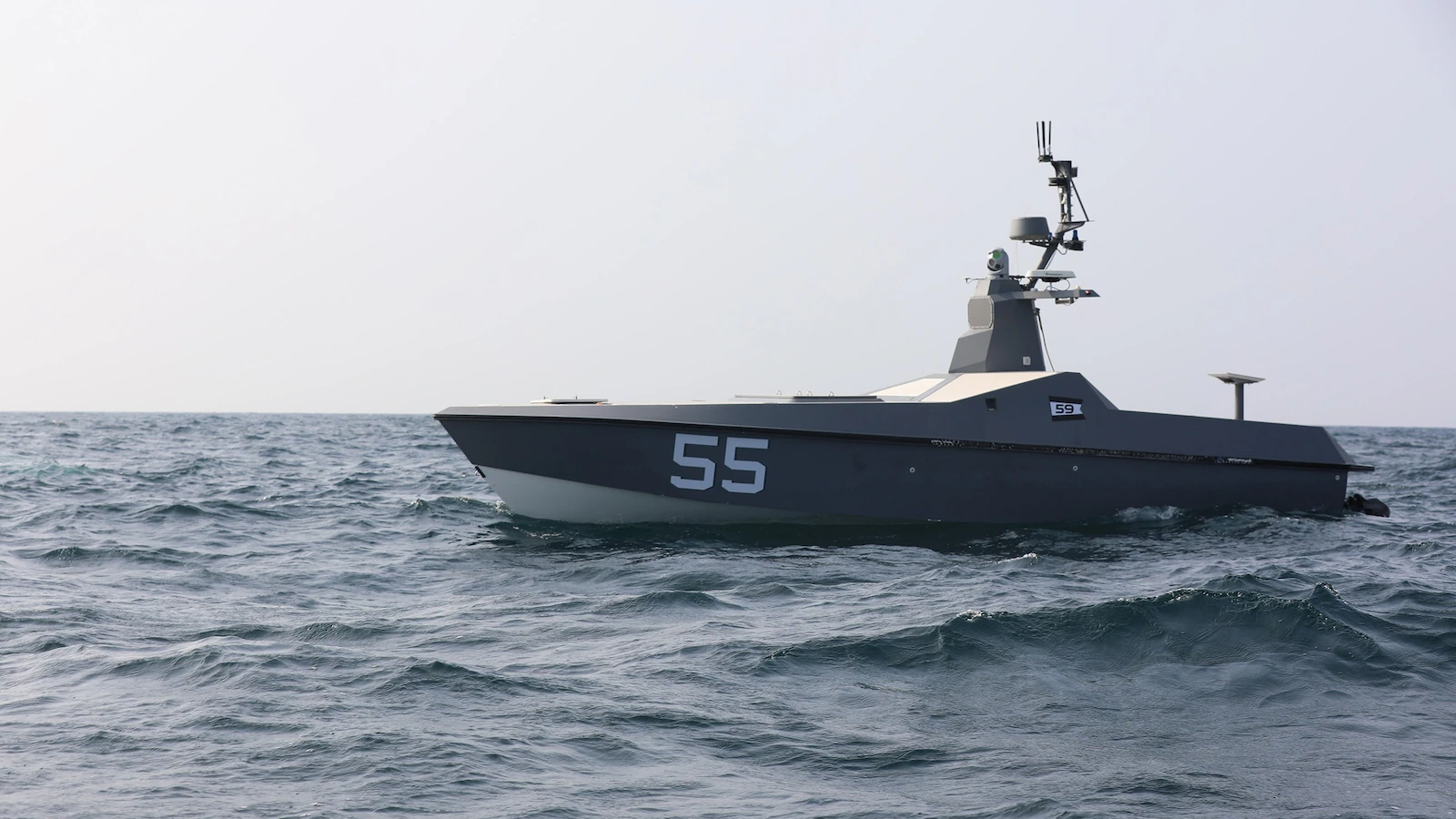
The drone boat, known as the Arabian Fox MAST-13, was deployed by Task Force 59 to swiftly locate and retrieve the crew. This autonomous system, resembling a compact speedboat, demonstrated remarkable capabilities in high-stakes environments. Its use in this rescue marked a significant milestone, as it was the first time such a vessel was employed for maritime retrieval, proving its effectiveness in real-time scenarios.
“The two Soldiers were safely recovered within two hours and are in stable condition,” stated a CENTCOM official. The drone’s navigation through the Strait of Hormuz, a critical chokepoint, showcased its adaptability and precision, even in challenging conditions that would have posed risks to manned operations.
The success of the mission highlights the growing importance of unmanned systems in modern naval strategies. By integrating artificial intelligence, these platforms can operate independently, reducing human exposure while enhancing mission outcomes. The Navy has emphasized their role in expanding surveillance and response capabilities in the Gulf, particularly amid heightened threats from Iran.
Task Force 59: Enhancing Naval Operations in the Middle East
Task Force 59, established in 2021, has become a cornerstone of U.S. naval operations in the Middle East. The task force employs a range of autonomous drones, including the T-38 Devil Ray and the Sail Drone, to support both reconnaissance and combat missions. These systems, now active in the region since late March, provide critical data to crews, enabling informed decision-making in dynamic situations.
“The surface drone that aided in last night’s rescue was part of our 5th Fleet’s advanced unmanned fleet,” noted Capt. Tim Hawkins, a CENTCOM spokesperson. “This technology allows us to monitor vast areas with minimal risk to personnel, ensuring rapid intervention when needed.”
With limited manned vessels available for continuous patrols, the use of drones has become essential. These unmanned systems not only supplement traditional forces but also offer extended operational hours and reduced costs. The $1.2 million price tag per unit is a fraction of manned counterparts, making them a scalable solution for maritime security.
Following the rescue, analysts are evaluating the strategic implications of such technology. The integration of autonomous vessels like the Arabian Fox MAST-13 into operational frameworks suggests a shift toward hybrid warfare, where human and machine forces work in tandem. This development could redefine how the U.S. Navy responds to threats in contested waters.
Broader Implications for U.S.-Iran Dynamics
The incident has reignited debates about U.S.-Iran tensions, particularly in the Gulf. Trump’s accusation that Iranian drones were responsible for the helicopter crash has raised concerns about the stability of the ceasefire. The use of unmanned systems in such a high-profile event underscores their potential as both defensive and offensive tools in regional conflicts.
As the U.S. military continues to expand its drone capabilities, the focus remains on their reliability and strategic value. The Arabian Fox MAST-13’s performance in this crisis has positioned it as a key asset in future missions, offering a glimpse into the future of naval operations where unmanned technology may take center stage. This advancement could influence how nations approach maritime defense and crisis management in the coming years.