
Depression fears drove Orie’s retirement decision
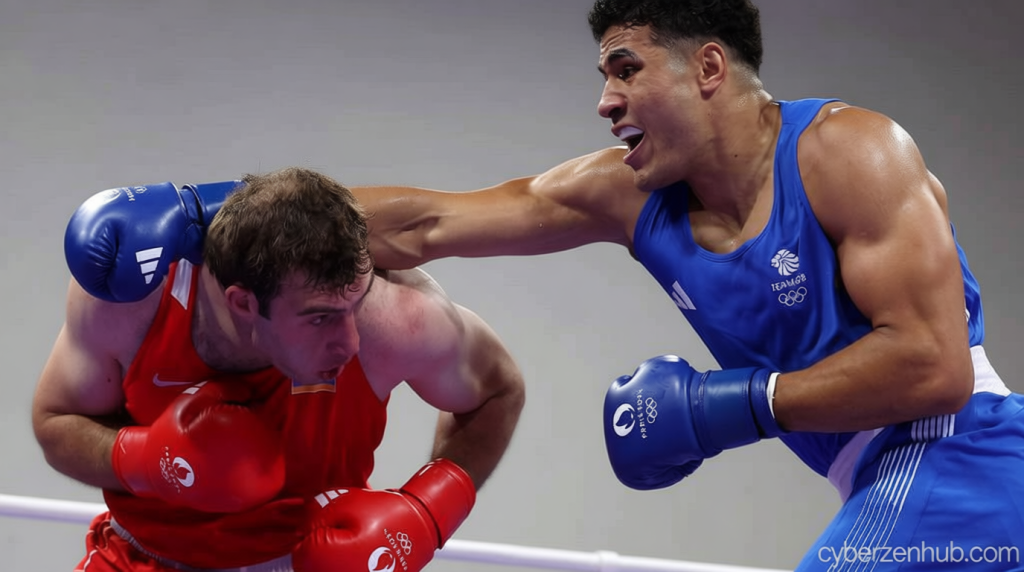
Depression fears drove Orie’s retirement decision
Delicious Orie, the 28-year-old British heavyweight, made the unexpected choice to end his boxing career after a year in professional competition. In a reflective interview with BBC Sport, he described his decision as a way to escape a potential life of despair. “I might have become a world champion, but one filled with misery,” he said. “I fear I would have ended up as a depressed, sad, and miserable world champion.”
No path forward
Orie’s professional journey began under intense scrutiny. After a strong showing at the Paris Olympics, where he failed to secure a medal, multiple organizations vied for his services. Frank Warren’s Queensberry Promotions outmaneuvered Eddie Hearn’s Matchroom and even WWE’s interest, securing his future in the sport. Yet, just a month later, Orie announced his abrupt exit from boxing, leaving many stunned.
“I wanted to pull out before the sport revealed me,” he explained. “I turned pro for the money, needing it to survive, but realized it only offered fleeting joy. Money gives you happiness, yes—but no real satisfaction. I felt nothing.”
Orie’s path to boxing was unique. Born in Russia, he moved to the UK with his family as a child and quickly grasped the opportunities available. By 18, he was determined to make it big, eventually earning a spot on Team GB. His focus over nearly a decade was singular: to win Olympic gold. When that goal slipped away, he felt a quiet but profound shift within.
“There was no Plan B, no alternative,” he recalled. “It was just tunnel vision to secure that medal. Not getting it made the feeling worse, especially when my hand wasn’t raised.” He admitted to missing personal milestones—birthdays, weddings, funerals—all in pursuit of a title that never came.
Despite a promising pro debut, where he narrowly avoided a knockout, Orie questioned his purpose. “I had to decide: walk away when it was almost too late, or hold on to the chance to step back,” he said. “I realized the pressure could break me if I kept pushing for validation.”
“I’ve seen it happen before—Tyson Fury and others,” he noted. “Mental health can be ignored until it’s too late. I felt like I was heading down that path. That’s why I had to act.”
Orie now works as a financial advisor, aiming to guide young athletes toward fulfillment rather than just financial success. He regrets not sharing his decision with loved ones, who were as surprised as the public. “Being strong mentally doesn’t mean shutting emotions out,” he said. “Ignoring them leads to a breakdown. Education is key.”
His hope is to inspire others, like Anthony Joshua once did for him. “I want to be a role model for men who are choosing their futures,” he stated. “Not everyone needs to chase money—it’s about finding what truly satisfies.”