Mexico Makes Historic World Cup Knockout Stage Debut
Cyberzenhub.com – Guadalajara, Mexico – In a dramatic turn of events, Mexico secured a 1-0 victory over South Korea on Thursday, marking their first entry into the knockout stage of the World Cup. The win sent waves of excitement across the nation, with fans celebrating in cities and towns from Mexico City to Guadalajara. This momentous achievement came after a string of early exits in previous tournaments, making it a defining moment for the team’s resurgence.
A Rare Triumph on Home Soil
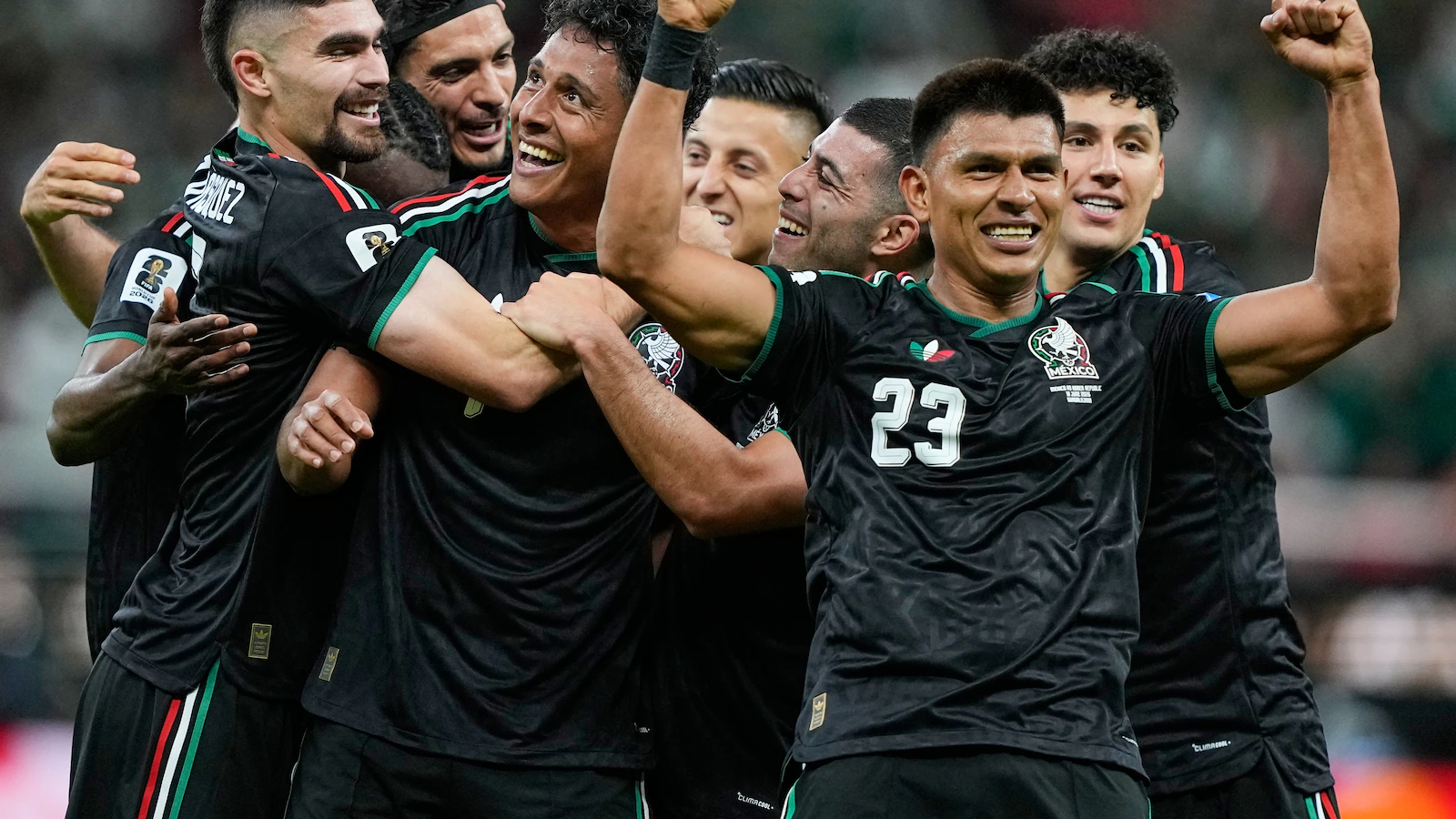
The match at Estadio Akron saw Mexico capitalize on a crucial error by South Korea’s defense, which inadvertently gifted the ball to Luis Romo in the 50th minute. Romo swiftly converted the chance, sending the crowd into a frenzy. The victory not only solidified Mexico’s place in the next round but also reignited hopes for a historic run in the 2026 World Cup.
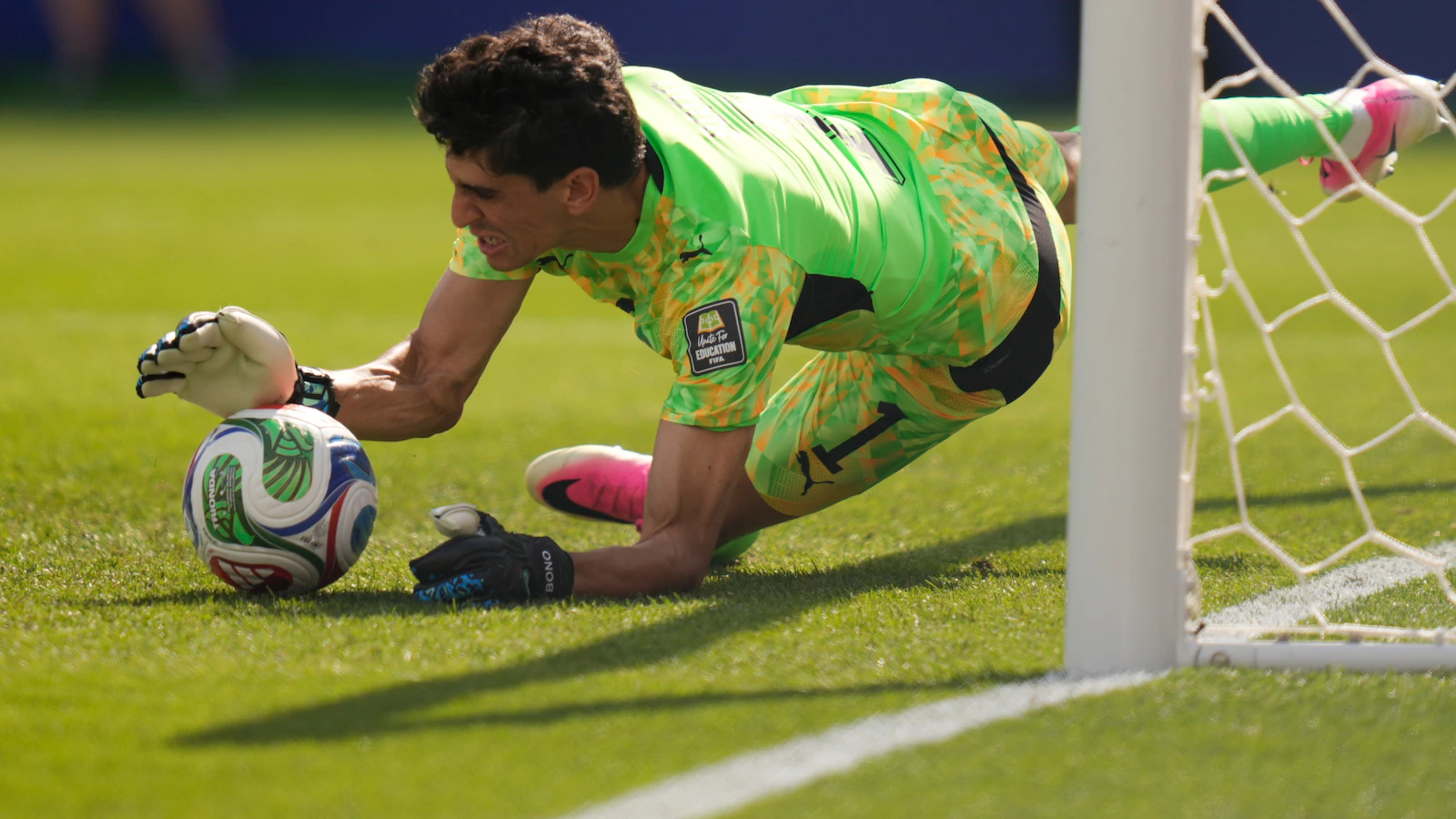
“It was very quick, it was pure reaction,” said Mexico goalkeeper Raúl Rangel after the match. “I couldn’t really tell you what I saw, because I remember the moment of impact with my teammate and me having the ball.”
Rangel’s heroics extended beyond the goal, as he made a pivotal save in the 87th minute to deny a header from Cho Gue-sung and later blocked a rebound shot by Yang Hyun-jun. His performance was critical in maintaining Mexico’s lead, especially as the South Koreans pushed for an equalizer in the final stages.
Group A Triumph and Tournament Expansion
Mexico finished Group A with six points, narrowly edging out South Korea and securing a spot in the knockout phase. The group also featured the Czech Republic and South Africa, who drew 1-1 earlier in the day. With two wins, Mexico outperformed both teams, though their path to success was not without challenges.
The tournament’s expansion to 48 teams has introduced a new round of 32, where the top two teams from each group advance, along with the best eight third-place teams. This format adds an extra layer of complexity, but Mexico’s win in Guadalajara proved they are ready to compete at this level.
Historical Context and Future Hopes
Mexico’s success this year contrasts sharply with their previous World Cup performances. Four years ago, they were eliminated in the group stage in Qatar, a streak that had continued for seven consecutive tournaments. This victory represents a breakthrough, especially considering they had never won a game outside Mexico City in the World Cup before 2026.
The team’s home matches have historically been dominated by Estadio Azteca, where they recorded five wins and three draws across the 1970 and 1986 tournaments. However, their 1970 quarterfinal clash in Toluca against Italy ended in a 4-1 loss, a memory that may have fueled their determination to make amends in this year’s edition.
A Coach’s Perspective on the Victory
Mexico coach Javier Aguirre acknowledged the significance of the win, noting that it was a relief for the players but still a major milestone for the team. “We’ve been doing very well,” he said. “It wasn’t a great match, but I think that our opponent didn’t let us do too much. But we still were able to score, on that mistake, in addition to another two or three opportunities.”
Aguirre emphasized the importance of securing their spot in Mexico City, where the team’s home games have seen a renewed energy. “It relieves some of the pressure,” he added, “but not for me, for the players. They are euphoric, they are very happy.”
South Korea’s Struggles and the Road Ahead
South Korea’s defeat to Mexico left them with three points, placing them second in Group A. Despite their early success in the group stage, the team’s hopes were dashed by Mexico’s late goal. This outcome also highlighted their ongoing struggles, as they have never advanced beyond the round of 16 since their 2002 campaign, which saw them finish fourth in a co-hosted tournament with Japan.
Their performance in Thursday’s match was marred by defensive lapses, including a key mistake by goalkeeper Kim Seung-gyu that allowed Luis Romo to seize the initiative. While Kim made a crucial save in the 75th minute to block a close-range shot by Raúl Jiménez, the team could not replicate that momentum in the final stages.
Global Reactions and Celebrations
As the final whistle blew, the atmosphere in Guadalajara transformed. Mariachi bands filled the streets, their music echoing through Mexico City as fans gathered at the Ángel of Independence. Thousands of supporters, waving Mexican flags, chanted and cheered, creating a vibrant celebration that underscored the national pride tied to the team’s success.
The victory was not only a triumph for Mexico but also a source of inspiration for fans who had long awaited such a moment. In the aftermath, the focus shifted to the upcoming matches, with Mexico set to face the Czech Republic on Wednesday and South Korea taking on South Africa in Monterrey. These fixtures will determine the final group standings and set the stage for the knockout rounds.
A New Era for Mexican Football
Mexico’s journey to the knockout stage highlights their transformation under Aguirre’s leadership. The team’s ability to adapt and seize opportunities in high-stakes games has been a key factor in their recent success. This achievement also serves as a reminder of the challenges they faced earlier in the tournament, where both teams struggled to create scoring chances and were met with harsh criticism from fans after halftime.
With the World Cup now expanded, the competition has intensified, but Mexico’s win signals their readiness to compete on the global stage. The players’ euphoria and the fans’ overwhelming support reflect a renewed optimism for the future of Mexican football. As the knockout phase begins, the nation watches closely, eager to see if this breakthrough can lead to a deeper run in the tournament.
Looking Ahead to the Knockout Rounds
As the group stage concludes, Mexico’s next challenge will be against the Czech Republic in Mexico City—a home advantage they have long relied on. The team’s resilience and tactical discipline will be tested in this critical match. Meanwhile, South Korea’s fate hangs in the balance, with their upcoming game against South Africa in Monterrey offering a chance to reclaim their position in the group.
The historic win has already sparked discussions about Mexico’s potential to go further than previous tournaments. With a strong squad and a supportive fanbase, the team aims to build on this momentum and create a legacy that matches their past successes. For now, the celebrations continue, as the World Cup’s next chapter unfolds on Mexican soil.