
Social media giants found liable for social media addiction in landmark court case
Social media giants found liable for social media addiction in landmark court case
In a groundbreaking legal case, a Los Angeles jury determined Google and Meta accountable for a woman’s social media dependency. The anonymous plaintiff received a $6 million award after the court found Instagram and YouTube responsible for the harm caused by their platforms.
The verdict, reached after over 40 hours of deliberation spread across nine days, marked a significant shift in the legal landscape. California jurors concluded that both companies’ negligence in platform design and operation played a major role in the plaintiff’s condition. Meta and Google have since announced their intent to appeal the decision.
Plaintiff’s Experience
The case centered on Kaley, a 20-year-old Californian referred to as KGM in court, who claims her mental health declined after prolonged social media engagement starting in childhood. Her legal team argued that the platforms were engineered to create addictive behaviors, describing them as “Trojan horses” that lure users in and take over their lives.
“How do you make a child never put down the phone? That’s called the engineering of addiction,” her lawyer, Mark Lanier, told the jury. “They engineered it, they put these features on the phones. These are Trojan horses: They look wonderful and great…but you invite them in and they take over.”
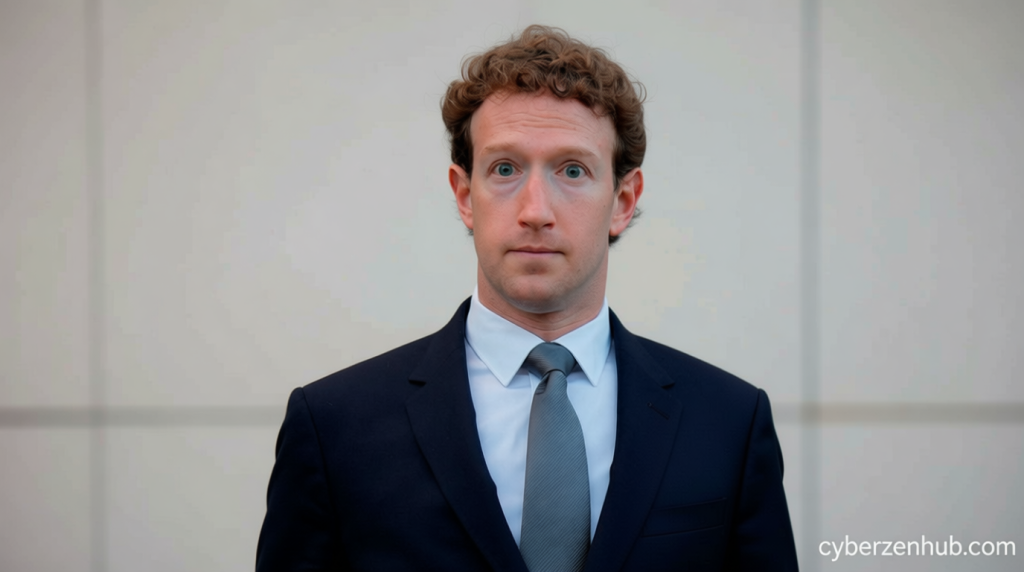
During the trial, Meta’s CEO Mark Zuckerberg appeared before the jury for the first time, defending the platforms as tools for positive impact. “It’s very important to me that what we do […] is a positive force in their lives,” he stated.
Defenses and Testimonies
Instagram’s head, Adam Mosseri, testified that there’s no scientific proof of social media as an addictive substance. He distinguished between clinical addiction and “problematic use,” suggesting the plaintiff’s behavior was an example of the latter.
YouTube’s legal team contested the case, arguing the platform doesn’t qualify as social media and that the evidence didn’t strongly link the plaintiff’s struggles to its algorithms. “Ask whether anybody suffering from addiction could just say, ‘Yeah, I kinda lost interest,'” YouTube’s lawyer Luis Li remarked in closing arguments.
Meta also countered by attributing the plaintiff’s mental health issues to a troubled childhood, noting that no therapist cited social media as the primary cause.
Broader Implications
This trial is the first in a series of high-profile lawsuits targeting Instagram, YouTube, TikTok, and Snapchat. Over 1,600 plaintiffs, including 350 families and 250 school districts, allege that these companies designed addictive products harming young users.
Matthew Bergman, founding attorney of the Social Media Victims Law Center, highlighted the significance of the case. “Win or lose the outcome of this trial, victims in the United States have won because now we know that social media companies can and will be held accountable before a fair and impartial jury,” he said in a pre-verdict statement.
“And in some cases, plaintiffs will prevail, and in some they may not, but we are just gratified for the opportunity to get this far, and there will be many more trials in the future,” Bergman added.