
Should I book travel now? What the Iran war means for your plans
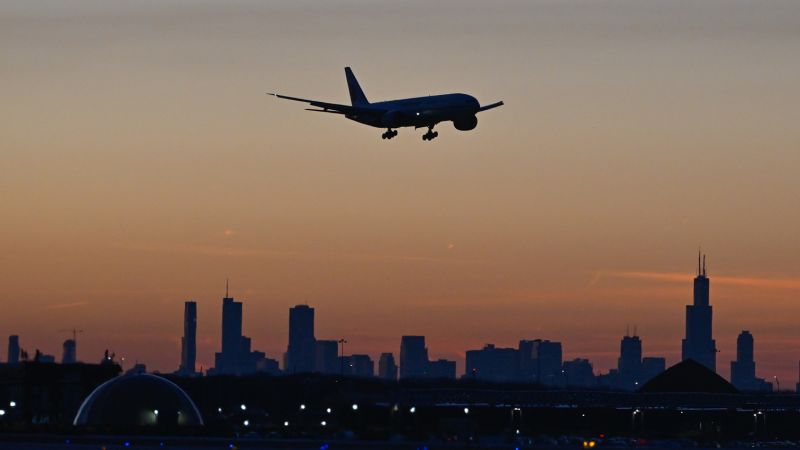
Should I book travel now? What the Iran war means for your plans
The Iran war has sent ripples through everyday life, from gas stations to retail checkouts, as global costs climb. While these financial strains may seem minor compared to the dangers faced by those in the conflict zones, they’re now affecting budgets worldwide. Travel, too, is feeling the strain, with disruptions spreading across regions as the Middle East remains a focal point of the crisis.
Global air travel routes have seen immediate chaos following the outbreak of hostilities in February. As the situation evolves, its effects are becoming more widespread, prompting questions for travelers with upcoming plans or those eyeing future trips. Whether it’s summer vacations, business travel, or necessary journeys, the uncertainty has raised concerns about affordability and timing.
The hole in the sky: How Middle East airspace closures are reshaping global aviation
With some airspace restricted, airlines like Emirates and Qatar Airways have had to alter their flight paths, increasing fuel consumption. Europe-Asia routes, in particular, are under pressure, often rerouted through narrow corridors over Georgia and Azerbaijan or onto extended southern routes. These changes could lead to higher operating costs, which may eventually trickle down to travelers’ expenses.
Clint Henderson, a principal spokesperson for The Points Guy, advises against waiting for potential price drops. “We’re recommending people book whenever they can, for the rest of the year, now,” he says. This guidance contrasts with typical advice to purchase tickets one to two months in advance for domestic flights or two to three months for international ones.
“The airport has done a fantastic job of rerouting passengers, which we’re also seeing with other hubs in the region that are affected by the conflict,” Gloria Guevara, president of the World Travel & Tourism Council, told CNN Travel.
Oil prices have surged past $100 per barrel, pushing up fuel costs for airlines. While not all price spikes are directly passed on to consumers, Henderson notes that when industry leaders like United Airlines’ Scott Kirby warn of rising fares, it’s a strong indicator. “You can pretty much take it to the bank,” he adds.
Travelers are encouraged to use price-tracking tools such as Junova.AI and pAIback, which offer credits if prices fall. Basic economy tickets, however, come with stricter refund and change policies, making them riskier in uncertain times. For international travel, checking airline policies before booking is essential to avoid complications.
The tourism sector is losing at least $600 million daily due to the conflict, according to the World Travel & Tourism Council. Before the crisis, the group had predicted $207 billion in spending for the region in 2026. The impact could translate into higher flight and hotel prices, though the extent remains unclear.
Cirium Ascend Consultancy highlights that the Middle East accounts for about 5% of global international arrivals. Additionally, around 10% of US travelers heading to Asia pass through Middle Eastern hubs. Fuel costs remain a critical factor, with US carriers having limited hedging against price increases, while European and Asian airlines, such as Singapore Airlines and Qantas, have secured some fuel at fixed rates.