
2026 Winter Olympics Men Figure Skating Preview
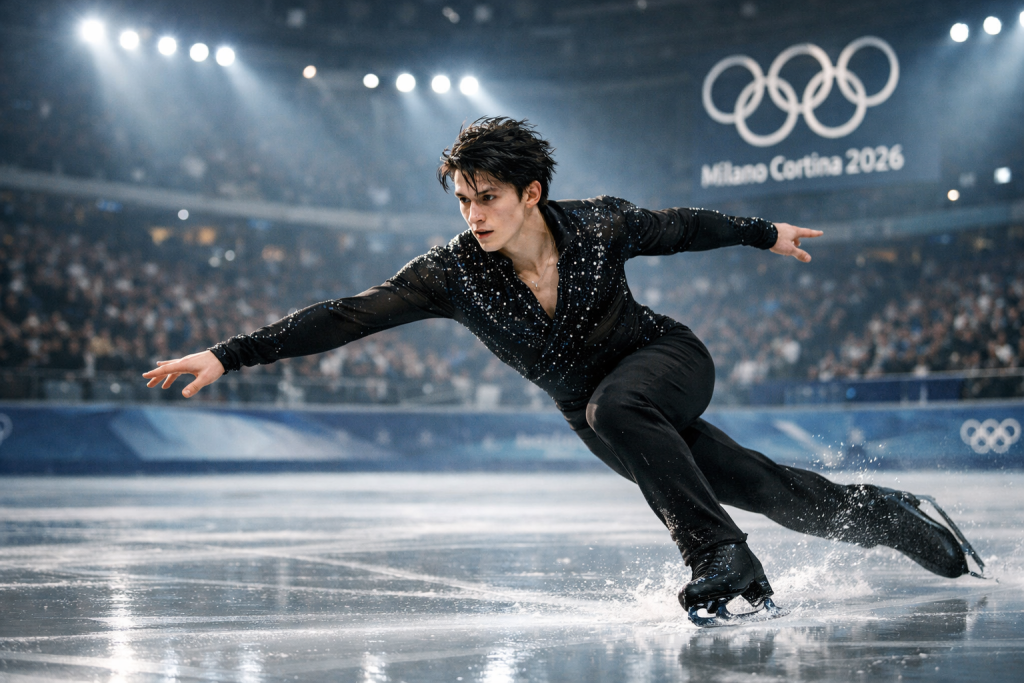
The 2026 Winter Olympics men figure skating event is shaping up to be one of the most technically demanding and emotionally intense competitions in recent Olympic history. With the sport now firmly in the era of quad-heavy layouts, the gold medal is unlikely to be decided by artistry alone, yet it also won’t be won by jumping without control. What makes Milan-Cortina 2026 especially compelling is that multiple countries have legitimate podium paths, and the gap between “favorite” and “dark horse” is smaller than usual.
This preview breaks down what will likely decide the men’s event, who the key contenders are, how scoring trends are evolving, and what fans should watch as the Olympic season approaches. If you are searching for a clear, structured outlook on 2026 winter olympics men figure skating, this is the core picture: expect a battle where consistency, program strategy, and nerves matter just as much as raw difficulty.
Why Milan-Cortina 2026 Could Be a Turning Point
Men’s figure skating has been moving toward a “maximum base value” style for years, but 2026 may be the Olympics where that trend peaks. The top athletes are no longer aiming for one or two quads; the contenders are building free skates with four or five, sometimes with a quad-quad combination attempt. That raises the ceiling, but it also raises the probability of costly errors.
Another reason 2026 feels like a turning point is the generational overlap. Some skaters who were teenagers in the Beijing 2022 cycle are now experienced senior leaders, while a new wave of juniors is entering with advanced technical tools. This produces a rare mix: veterans with refined performance skills and younger athletes who treat quads as routine.
Milan-Cortina also arrives in a period where international judging trends appear to reward complete skating more consistently than in some earlier quad races. Skaters who can combine difficult content with clean execution, strong skating skills, and clear choreography will have a real advantage. In practical terms, that means the winner is likely to be the athlete who can land big elements while keeping the program looking effortless.
The Technical Arms Race: Quads, Layouts, and Risk Management
The biggest story in 2026 winter olympics men figure skating is still the quad arsenal. At the Olympic level, a triple-heavy program is almost certainly not enough for gold, and it may not be enough for a medal. Most medal contenders will need at least three quads across the short program and free skate combined, with the top tier aiming for four to six.
However, the technical race is no longer just “how many quads.” It is also about which quads, and how they are placed. Quads like the quad Lutz and quad flip tend to carry higher risk, while quad toe loops and quad Salchows are more common. The skaters who can include a difficult quad early and still maintain speed and control later will stand out.
Program construction has become a science. Coaches and choreographers are balancing jump timing, energy management, and bonus strategy in the second half of the free skate. Placing jumps later increases scoring potential, but it also increases the chance of fatigue-based mistakes. At the Olympics, where nerves already reduce stability, this becomes a high-stakes decision.
The real hidden battle is risk management. A skater with slightly lower base value but higher probability of clean landings can beat a skater attempting maximum difficulty and falling twice. Olympic champions are often not the most daring jumpers in the field, but the most reliable under pressure.
The Main Contenders: Who Has a Real Path to Gold
The top group for Milan-Cortina is expected to include skaters from Japan, the United States, South Korea, and potentially European contenders depending on form and selection. While it is too early to lock in a definitive podium, several athletes have already shown the combination of technical content and performance quality needed to win.
Japan remains the deepest men’s field in the world. The country consistently produces skaters with strong skating skills, sophisticated choreography, and high-level jump technique. If Japan’s top men arrive healthy, they could place multiple skaters in the top six and threaten for the title. Historically, Japanese men have also been strong in Olympic pressure environments, which matters more than fans often realize.
The United States has a realistic gold path if its leading skater can deliver clean programs in both segments. American men have been improving their technical content in recent seasons, and the top U.S. skaters tend to be strong performers with excellent audience connection. The key variable is consistency, because the Olympic stage punishes even one major error.
South Korea has become increasingly relevant in men’s skating, especially with athletes who combine strong jump technique and clean lines. A Korean medal is no longer a shock scenario; it is a realistic outcome if the skater arrives with a stable quad plan and strong component scores. The federation’s development has raised the overall level, and international respect has grown accordingly.
Europe’s outlook depends heavily on which skaters peak in 2025–26. Several European athletes have world-class talent, but the field is less deep than Japan’s. If one European contender enters the season with a reliable quad layout and strong short program scoring, they could become a serious medal threat quickly.
In 2026 winter olympics men figure skating, the gold medal favorite will likely be the skater who can deliver two clean programs with a balanced technical plan. The silver and bronze medals may be decided by small margins, including one under-rotated quad or a step-out on a key combination.
The Scoring Battle: GOE, Components, and Olympic Pressure
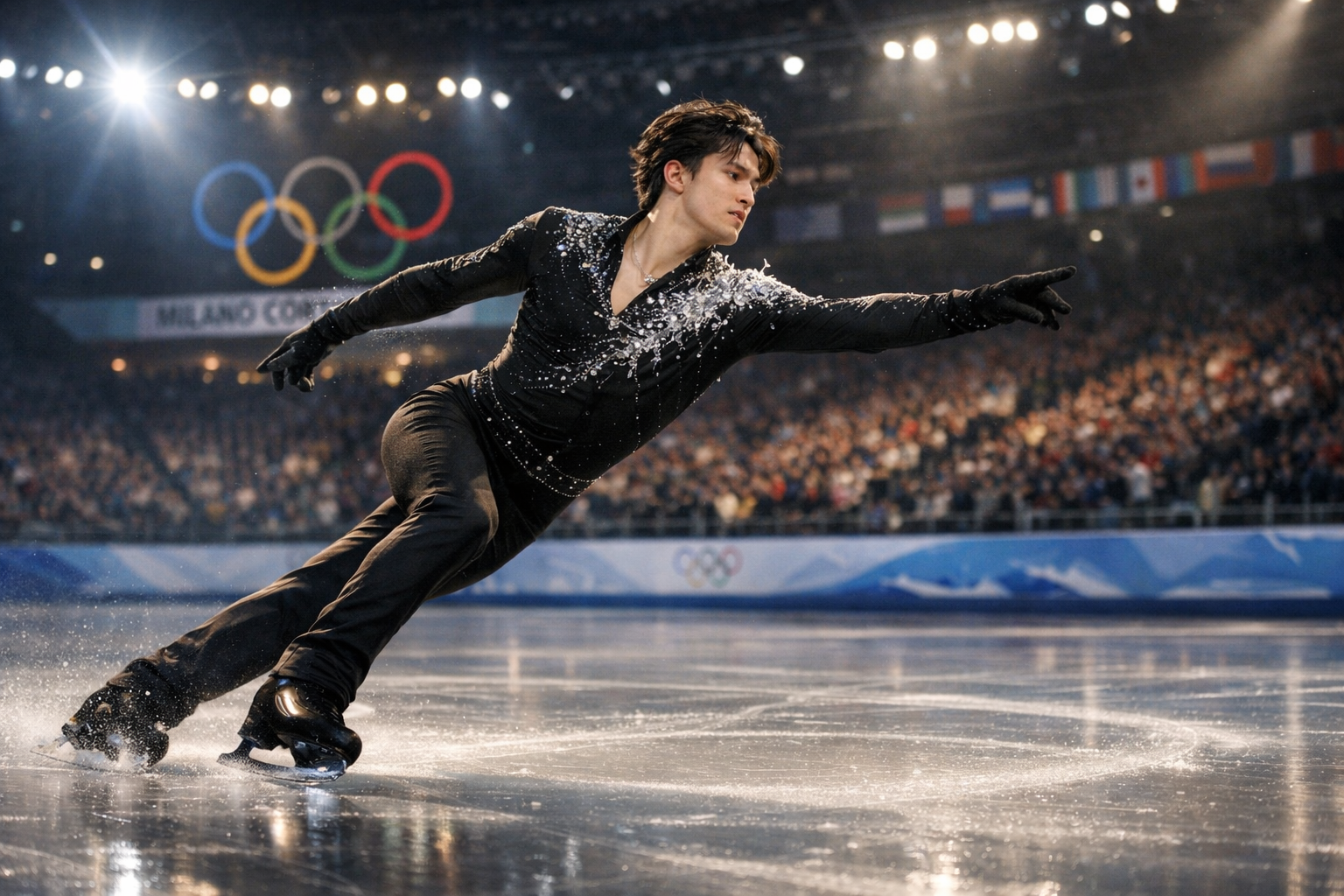
Many fans still think Olympic men’s skating is decided purely by quads, but modern scoring is more complicated. The Grade of Execution (GOE) system can add or subtract significant points, meaning two skaters with identical base value can end up separated by a large margin. A clean quad with strong flow and good landing position can earn positive GOE, while a tight, shaky landing reduces the reward.
Program Components Scores (PCS) also matter more than casual viewers assume. Skating skills, transitions, performance, composition, and interpretation can separate top contenders. At the Olympic level, PCS tends to cluster near the top, but small differences still influence final placements. A skater who looks polished, controlled, and musically convincing can gain points even without adding another quad.
The short program is especially critical. In the men’s event, the short program is often where the competition’s tone is set. A mistake there can force a skater into a desperate free skate strategy, which increases risk. Conversely, a clean short program can provide breathing room and allow a smarter free skate layout.
Olympic pressure changes everything. Even skaters who are consistent in Grand Prix events can struggle under the intensity of Olympic expectations. The arena atmosphere, media attention, and national pressure create a unique mental environment. The men who win Olympic medals are often those who can control nerves and execute their plan without chasing points mid-program.
Key Storylines to Watch Before the Games
The most important storyline heading into Milan-Cortina is health and longevity. Men’s skating has become physically brutal, and quad training creates long-term strain on hips, knees, and ankles. A contender who stays healthy through the 2025–26 season will have a major advantage over a skater entering the Olympics with injuries or limited preparation.
Another major storyline is the evolution of the quad Axel attempt. While only a few athletes have seriously pursued it, the mere presence of a successful quad Axel could reshape the competitive landscape. If one skater can land it cleanly and integrate it strategically, it could become a decisive scoring weapon.
National selection battles will also shape the Olympic field. Countries with deep talent pools, particularly Japan and the United States, may leave medal-capable skaters at home due to limited spots. This makes domestic championships and selection criteria almost as dramatic as the Olympics themselves.
Finally, artistry is making a quiet comeback. In recent seasons, some of the highest-scoring men have succeeded not just because of quads, but because they skate with speed, clarity, and emotional impact. If judging continues to reward complete skating, the 2026 champion may be remembered as a well-rounded performer, not just a technical machine.
Conclusion
The 2026 winter olympics men figure skating event is expected to be decided by the skater who combines elite quad content with clean execution, smart program strategy, and the ability to perform under Olympic pressure. While several nations have realistic podium paths, the final outcome will likely come down to consistency in the short program and a controlled, high-value free skate. Milan-Cortina 2026 has all the ingredients for a classic Olympic showdown.
FAQ
Q: What will it take to win 2026 Winter Olympics men figure skating? A: Most likely two clean programs with multiple quads, strong GOE, and high component scores, especially in skating skills and performance.
Q: Are quads the only thing that matters in Olympic men’s figure skating? A: No. GOE and program components can decide medals when base value is similar, and a cleaner skate can beat a riskier layout with mistakes.
Q: How important is the short program at the Olympics? A: Extremely important, because one major short program mistake can force a skater into higher-risk decisions in the free skate.
Q: Which countries are strongest heading into Milan-Cortina 2026? A: Japan is expected to have the deepest field, while the United States and South Korea also have strong medal potential depending on form and selection.
Q: Could a new skater emerge as a surprise medalist in 2026? A: Yes. Men’s skating is volatile, and a skater who peaks at the right time with clean quads and strong presentation can break into the podium race.