
Ohio State Football, UFC, and Tigres – Cruz Azul: Key Moments
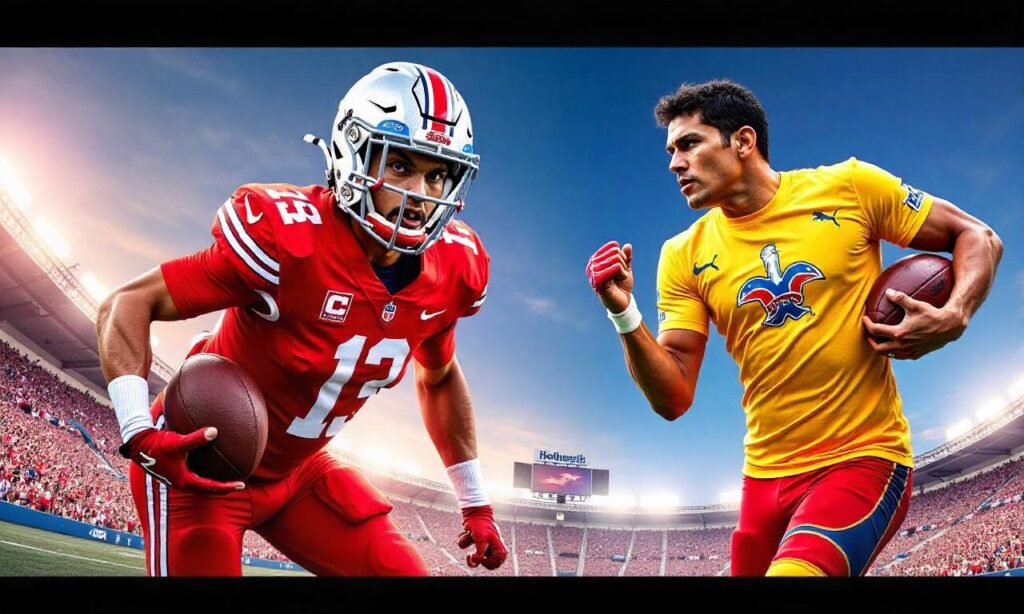
In the world of sports, there are moments that transcend mere competition and etch themselves into the fabric of history. Whether it’s the electrifying Ohio State Football games, the intense UFC fights, or the iconic rivalries between Tigres and Cruz Azul, these events often define the legacy of the teams and athletes involved. This article delves into the key moments that have shaped the narratives of these three entities, offering insights into their impact on the sports landscape. From college football triumphs to the adrenaline-fueled chaos of mixed martial arts and the fierce clashes of Mexican football clubs, each of these moments has left an indelible mark on their respective fields.
Ohio State Football: A Legacy of Dominance and Tradition
The Rise of a Football Powerhouse
Ohio State Football has long been a cornerstone of American collegiate sports, consistently ranking among the most successful programs in history. With a legacy that stretches back over a century, the Ohio State Buckeyes have established themselves as a symbol of excellence in the sport. Their history is marked by a blend of tradition, strategy, and sheer dominance, which has solidified their place in the pantheon of college football greats.
One of the defining key moments in Ohio State’s history occurred during the 1950s, when coach Paul Brown revolutionized the game with his innovative tactical approaches and emphasis on discipline. Brown’s tenure not only transformed the program but also laid the groundwork for future success, including the legendary “Fighting Irish” era. The 1960s saw Ohio State clinch three national championships, with players like Jim Tressel and Archie Manning becoming household names. However, it was the 1980s and 1990s that truly elevated the program to greatness, as coaches like John Cooper and Boomer Esiason led the Buckeyes to multiple conference titles and a reputation as a powerhouse.
A pivotal Ohio State Football moment came in 2014, when the team secured their first College Football Playoff National Championship in over a decade. This victory was not just a testament to the team’s skill but also to the unwavering commitment to preparation and team cohesion. The 2014 season, led by quarterback Braxton Miller and a defensive line that dominated opponents, showcased how the program balances traditional values with modern innovation.
The 2020 College Football Playoff Run
Another significant key moment for Ohio State Football was their 2020 season, which saw the Buckeyes make a historic run to the College Football Playoff National Championship. Under coach Ryan Day, the team reached the final with a remarkable blend of talent and resilience, overcoming early-season challenges to dominate the Pac-12 Conference. The 2020 Rose Bowl victory against the USC Trojans was a defining moment, as it marked the first time the Buckeyes had won the title in 11 years. This triumph highlighted the team’s ability to adapt and thrive under pressure, reinforcing their status as a national force in college football.
Iconic Players and Unforgettable Games
Throughout their history, Ohio State Football has been home to some of the most iconic players in the sport. Quarterbacks like Troy Smith, who led the team to a national championship in 2007, and Deshaun Watson, who showcased his versatile skill set in the 2018 season, have become legends. The 2018 showdown against Clemson in the College Football Playoff semifinals remains one of the most talked-about games in recent memory, with Watson’s performance earning him the Heisman Trophy and cementing his legacy.
Even during their challenging seasons, Ohio State has produced memorable moments. The 2016 “Buckeye Battle” against Michigan, where the team rallied from a 14-point deficit in the final minutes, is a testament to their unyielding spirit. Such events not only define the program’s identity but also inspire fans and players alike, ensuring that the Buckeyes remain a benchmark for success in college football.
UFC: The Evolution of a Martial Arts Phenomenon
The Birth of a New Era
The UFC (Ultimate Fighting Championship) has transformed the landscape of combat sports since its inception in 1993. Founded by Art Davie and Randy Couture, the organization aimed to bring together the best fighters from around the world to compete in a no-holds-barred environment. This key moment in UFC history marked the beginning of an era where grappling, striking, and submission techniques would be tested against one another, creating a global spectacle.
The early years of the UFC were marked by chaos and innovation, as fighters like Royce Gracie and Ken Shamrock brought a new level of excitement to the sport. Gracie’s unstoppable dominance in the 1990s, particularly his ground-and-pound strategy, revolutionized the way combat sports were perceived. His victories against top fighters in the UFC 1 and UFC 2 events not only highlighted the effectiveness of Brazilian Jiu-Jitsu but also set the stage for the modern UFC.
The Modern UFC: A Showcase of Skill and Spectacle
By the 2000s, the UFC had evolved into a mainstream sports event, with high-profile fighters like Randy Couture, Tito Ortiz, and Chuck Liddell becoming household names. The UFC 25 event in 2001 was a key moment that solidified the organization’s reputation, as it introduced the first heavyweight title fight in the organization’s history. This match between Royce Gracie and Ken Shamrock drew massive audiences and underscored the UFC’s growing popularity.
The 2010s saw the UFC reach new heights, with superstars like Conor McGregor and Khabib Nurmagomedov dominating the headlines. McGregor’s feud with Nate Diaz in 2016, culminating in a belts and bottles finish, became a cultural phenomenon, blending martial arts with entertainment. Khabib Nurmagomedov’s unbeaten streak and his domination in the lightweight division further elevated the UFC’s global appeal.

The Role of Technology and Innovation
Another key moment in UFC history was the introduction of UFC events on pay-per-view (PPV) in the early 2000s. This shift allowed the organization to expand its reach and generate significant revenue, ensuring its sustainability and growth. The use of high-definition broadcasting, commentary, and event production has transformed the UFC into a premium sports experience, with fans worldwide tuning in for every major fight.
The Future of the UFC
As the UFC continues to evolve, it faces new challenges and opportunities. The rise of women’s MMA and the integration of new fighting styles have broadened the sport’s appeal. The 2020s have seen the UFC embrace digital platforms, with streaming and social media playing a critical role in engaging younger audiences. These key moments highlight the organization’s ability to adapt and remain relevant in a rapidly changing sports industry.
Tigres – Cruz Azul: A Rivalry of Passion and Pride
The Origins of the Clash
The rivalry between Tigres and Cruz Azul is one of the most intense and historic in Mexican football. Both clubs, based in Guadalajara and Mexico City respectively, have long been symbols of regional pride and competitive excellence. Their head-to-head matches often become celebrated events, drawing massive crowds and unifying fans across the country. Tigres were founded in 1954, while Cruz Azul was established in 1953. The Tigres-Cruz Azul rivalry began in the early years of Liga MX, with both clubs competing for dominance in the league. The first meeting between the two teams in 1954 set the tone for a long-standing feud, as their cultural and geographical proximity fueled intense competition.
Landmark Matches and Tactical Innovations
One of the key moments in this rivalry occurred in the 2001-2002 season, when Tigres secured their first Liga MX title in 30 years. This victory was not just a team triumph but also a cultural milestone, as it symbolized the resilience of the club and its deep connection to the community. The 2002 final against Cruz Azul, where Tigres clinched the Copa MX title, remains a highlights reel of their dominant era.
Cruz Azul, on the other hand, has had its own defining moments. The 1992-1993 season saw the club win its first league title, marking a golden era for the team. However, their most recent success came in the 2010s, when they reached the Liga MX playoffs multiple times. The 2017 match against Pachuca, where Cruz Azul pulled off a stunning upset, highlighted their ability to compete at the highest level.
The Impact of Star Players
Both Tigres and Cruz Azul have produced legendary players who have left a lasting impact on the sport. For Tigres, players like Diego Lainez and Luis Miguel Ontiveros have become symbols of excellence. Lainez’s breakthrough season in 2018, where he scored crucial goals for the team, showcased their ability to develop talent. Cruz Azul has also had star players who have defined their legacy. Javier García and Víctor Rangel are often cited as key figures in the club’s successful campaigns. García’s key play in the 2019 playoffs against Club América, where he secured a vital goal, remains a focal point in the club’s history.
The Role of Fan Culture
The Tigres-Cruz Azul rivalry is not just about sporting competition but also fan culture. Tigres fans, known for their enthusiastic support and triumphal chants, have created a dynamic atmosphere during matches. Similarly, Cruz Azul fans, often more vocal in their criticism, have shaped the club’s identity. The intensity of the rivalry has inspired new generations of players and solidified their place in Mexican football history.
Conclusion: Key Moments That Define Legacy
The Ohio State Football, UFC, and the Tigres-Cruz Azul rivalry each represent a unique chapter in sports history. Whether it’s the championship wins of Ohio State, the cultural phenomenon of the UFC, or the passionate clashes between Tigres and Cruz Azul, these key moments have shaped the narratives of their respective fields. They demonstrate the power of competition, the importance of innovation, and the depth of fan engagement.
Each of these entities has overcome challenges, adapted to changes, and pioneered new paths in their sports industries. The Tigres-Cruz Azul rivalry, for instance, continues to fuel excitement in Mexican football, while the UFC has expanded its global reach through technological advancements. Meanwhile, Ohio State Football remains a benchmark for excellence, with its unwavering dedication to training and strategy.
In essence, these key moments are not just individual events but testaments to the enduring spirit of sports. They remind us that success is built on passion, perseverance, and innovation. As the Ohio State Football, UFC, and Tigres-Cruz Azul continue to evolve, their legacy will be remembered through the momentous victories and historic rivalries that define them.