3 Federal Firefighters Killed, 2 Injured in Snyder Wildfire Along Utah-Colorado Border
Cyberzenhub.com – The U.S. Wildland Fire Service reported on Saturday that three federal firefighters lost their lives while battling the Snyder Fire, a rapidly spreading wildfire that ignited along the border of Utah and Colorado. Two additional crew members sustained burn injuries and are receiving medical treatment, the agency stated in a statement released early Sunday. The incident, which occurred during a critical phase of the blaze, has raised concerns about the risks faced by emergency responders in the region.
Emergency Response and Casualty Details
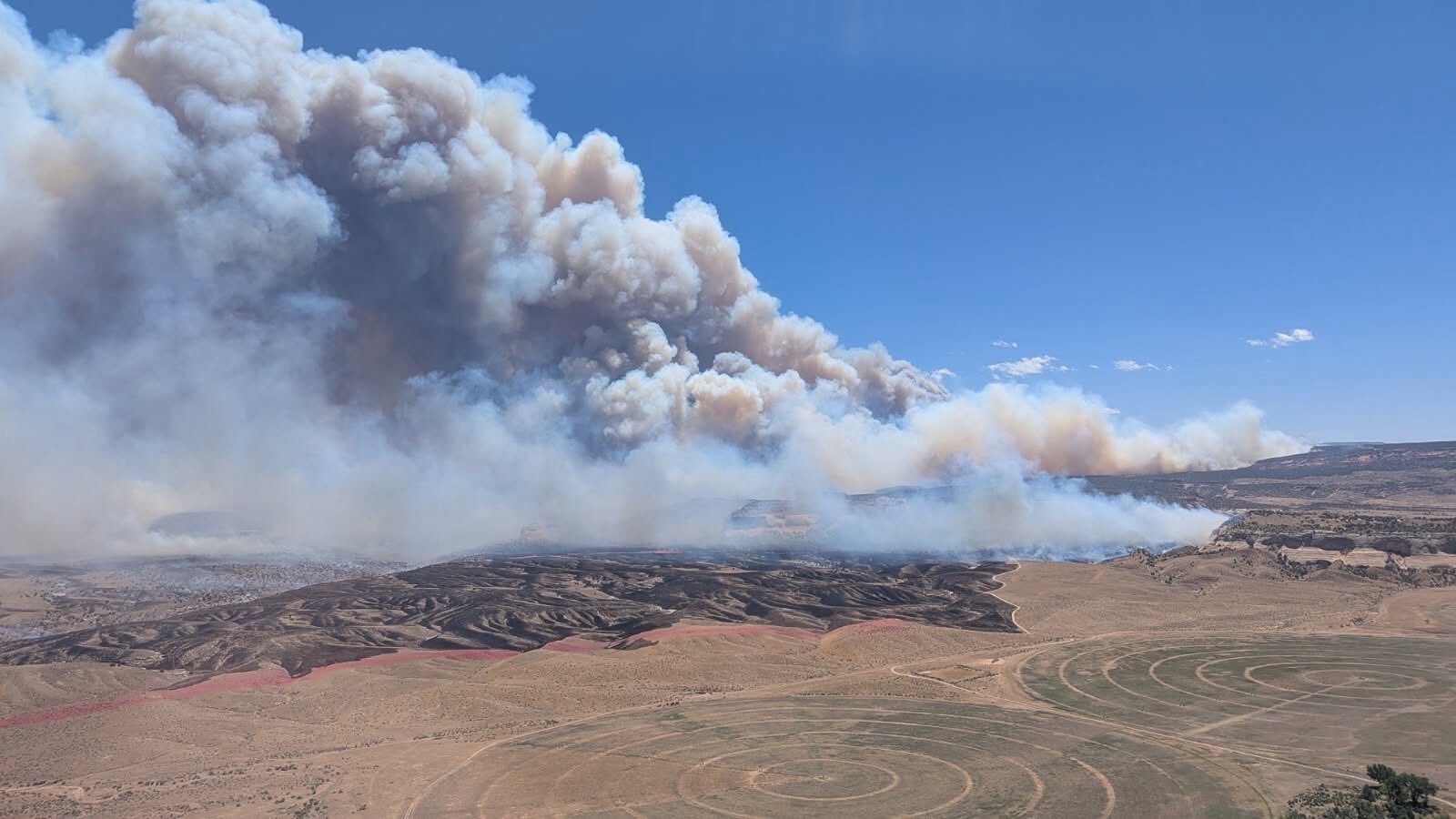
The fire, which broke out in east Utah’s Grand County on Saturday morning, quickly escalated in intensity. By midday, it had crossed into Colorado, merging with smaller fires in Mesa County, including the Jones and Knowles Fires, to form the Snyder Fire. The service described the event as a tragic loss of life, highlighting the courage of the firefighters involved. “Our primary concern is ensuring the support of their families, friends, and colleagues during this challenging period,” the service emphasized in a statement shared on social media. This declaration also recognized the firefighters’ “courage, commitment, and selflessness” in the face of extreme conditions.
“Our immediate focus is on supporting their families, friends, and fellow crewmates during this incredibly difficult time,” the service said in a statement posted on social media, which lauded the firefighters’ “bravery, dedication, and sacrifice.”
The Snyder Fire, which continues to burn uncontrollably, has already consumed an estimated 28,000 acres as of Saturday evening. Despite extensive efforts by local and federal agencies, the blaze remains at 0% containment, prompting evacuation warnings for residents in smaller communities within Mesa County. Officials noted that the fire’s rapid expansion posed a significant threat to both natural and human environments, with high winds and dry vegetation contributing to its spread.
Fire’s Origin and Regional Spread
The Snyder Fire initially began as the Snyder Mesa Fire on Saturday, June 27, 2026, in Grand County, Utah. It was first reported in the early hours of the day, with conditions quickly worsening due to high temperatures and low humidity. By late morning, the fire had crossed into Colorado, where it merged with the Jones and Knowles Fires. This combination created a larger, more complex fire front that challenged firefighting crews with unpredictable behavior and difficult terrain.
The disaster emergency declaration by Colorado Governor Jared Polis underscores the severity of the situation. The governor’s statement came hours after the fire’s progression forced authorities to reassess the risk level for the Four Corners region. This area, which spans four states—Utah, Colorado, Arizona, and New Mexico—is particularly vulnerable to wildfires during the summer months due to its arid climate and dense vegetation. The declaration aims to allocate additional resources and streamline response operations to mitigate further damage.
While the Snyder Fire dominates headlines, it is part of a broader pattern of wildfires across the Four Corners region. The Cottonwood Fire, which has been burning in Utah’s Paiute and Beaver counties, has grown to approximately 92,254 acres with no containment achieved. The Iron Fire, active in Juab, Tooele, and Utah counties, covers about 41,467 acres, with 38% of the area under control. Meanwhile, the Cherry Fire, also in Juab and Tooele counties, has scorched around 30,766 acres, remaining fully uncontained. These fires, along with the Snyder Fire, have strained local resources and highlighted the need for coordinated regional efforts.
Community Impact and Ongoing Efforts
The combination of the Snyder Fire with other local blazes has created a heightened state of alert for residents in Mesa County and surrounding areas. Evacuation orders were issued for several communities, with authorities urging residents to leave promptly to avoid exposure to the fire’s unpredictable spread. The impact of the fire extends beyond immediate danger, as it threatens wildlife habitats, water sources, and agricultural land, raising long-term environmental concerns.
Firefighters from multiple agencies have been deployed to the affected areas, working in tandem to combat the blaze. The crews face extreme conditions, including temperatures exceeding 100 degrees Fahrenheit and gusty winds that fans the flames. Despite these challenges, responders continue to work tirelessly to contain the fire and protect nearby properties. “The situation remains dynamic, but our teams are committed to safeguarding lives and minimizing losses,” a spokesperson said in a press briefing.
As of Sunday, more details about the deceased firefighters were expected to be released, including their backgrounds and specific roles in the incident. The Wildland Fire Service has also pledged to provide regular updates on the fire’s progress and the status of affected communities. In a separate statement, the agency acknowledged the emotional toll on families and crews, expressing gratitude for their dedication during the crisis.
The Snyder Fire serves as a stark reminder of the dangers associated with wildfires in the western United States. With climate change intensifying drought conditions, such incidents are becoming more frequent and severe. Experts warn that without increased preparedness and investment in firefighting infrastructure, the region may face even greater challenges in the coming years. For now, the focus remains on stabilizing the situation and supporting those impacted by the disaster.
Residents in the Four Corners area are being advised to monitor local news for further updates and to follow evacuation instructions closely. The community’s resilience and cooperation are critical in overcoming the fire’s effects, but the loss of life has left many in mourning. The Snyder Fire will likely be remembered as a defining moment in the region’s wildfire history, emphasizing the importance of vigilance and rapid response in such emergencies.
As the fire continues to burn, its legacy is already being felt. The bravery of the firefighters who perished in the line of duty has inspired renewed efforts to improve safety protocols and equipment for those who risk their lives to protect others. The incident has also sparked discussions about the long-term implications of climate change on wildfire frequency, with officials calling for increased funding and collaboration between states to address the growing threat.