Anti-ICE Protester Sentenced to 30 Months in Prison for Attacking a Federal Officer
Portland, Oregon, Witnessed a Major Legal Outcome in the Ongoing Struggle Over Immigration Policies
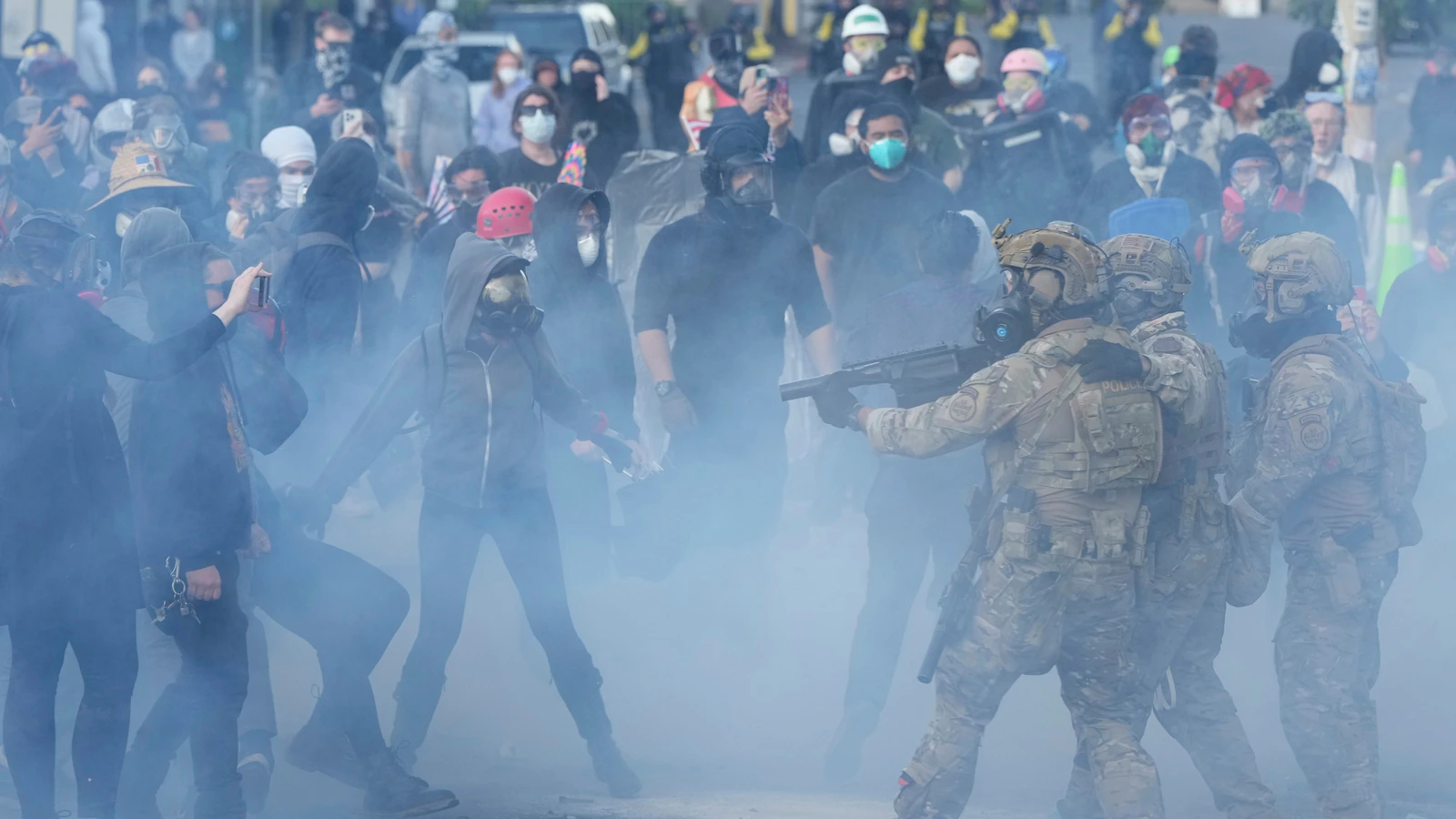
Cyberzenhub.com – In a significant development for the Portland protests targeting federal immigration enforcement, Robert Jacob Hoopes, 28, was handed a 30-month prison sentence on Thursday. The verdict followed a plea deal in which Hoopes admitted to aggravated assault against a federal employee using a dangerous weapon. His crime occurred during a demonstration at the U.S. Immigration and Customs Enforcement (ICE) headquarters in June, when he hurled a stone that struck an officer on the head, resulting in a deep cut near the eye. The incident has become emblematic of the escalating tensions between demonstrators and law enforcement in recent months.
The sentencing, issued by U.S. District Judge Adrienne Nelson, also included three years of supervised release and a restitution order of over $8,000. The court emphasized the severity of Hoopes’s actions, linking them to the broader legal strategy of the U.S. Justice Department to hold individuals accountable for assaulting federal officers during protests. These efforts have targeted activists opposing President Donald Trump’s immigration policies, with cases emerging in cities such as Chicago and Los Angeles over the past year.
Hoopes’s attorney, Matthew McHenry, declined to comment immediately following the ruling. The case has drawn attention to the legal consequences of violent demonstrations, particularly those involving direct attacks on federal personnel. As the protests continue, the government has sought to send a clear message that such actions will not go unpunished. “Violence is not a protest,” declared Scott Bradford, the U.S. Attorney for the District of Oregon, in a statement. “When you cross the line and assault a federal officer, you will be prosecuted.”
“Today’s message is clear — violence is not a protest,” said U.S. Attorney Scott Bradford. “When you cross the line and assault a federal officer, you will be prosecuted.”
Meanwhile, the federal government’s campaign against protesters has expanded beyond Portland. Recently, a New Jersey immigration detention center became a new hotspot for confrontations, where dozens were arrested during clashes with law enforcement. These incidents underscore the nationwide nature of the conflict, with activists often facing swift legal action for their actions. The Portland ICE building, a focal point of the demonstrations, has seen persistent protests since last June, including nightly rallies and frequent attempts by authorities to use chemical munitions to disperse crowds.
Hoopes is not the only Portland protester to receive a prison sentence. In March, Trenten Edward Barker was sentenced to 18 months for arson after pleading guilty to setting a lit flare on debris near the ICE facility. The act caused thousands of dollars in damage, according to federal prosecutors, and highlighted the diverse tactics used by demonstrators to challenge deportation policies. However, several other cases have faced different outcomes. At least four Portland protesters had their charges dismissed, including three accused of attacking federal officers. Two trials proceeded, though one ended in a mistrial and another resulted in a defendant appealing a one-year probation sentence for violating a lawful order and creating a disturbance.
Adding to the complexity, Trump’s plan to deploy the National Guard to Portland in the fall was initially met with legal resistance. The courts blocked the move, citing the need for a more balanced approach to managing protests. Despite this, the presence of federal agents remains a key factor in the protests, with demonstrators often targeting them as symbols of the administration’s enforcement priorities. The ICE building, which has drawn both support and criticism, continues to be a battleground for ideological clashes.
The broader implications of Hoopes’s sentence extend beyond Oregon. It aligns with a pattern of prosecuting protesters who use aggressive methods to challenge immigration policies. The Justice Department’s focus on these cases has intensified since Trump’s administration began prioritizing swift deportations and border security. Critics argue that the legal actions against demonstrators may deter activism, while supporters see them as necessary to maintain order and protect federal personnel.
Hoopes’s case also reflects the growing use of criminal charges to penalize protest activities. While some activists view these measures as a way to hold individuals accountable, others see them as a tool to suppress dissent. The 30-month sentence for assaulting a federal officer sets a precedent for similar cases, with the government likely to continue pursuing charges against those who engage in direct confrontations with law enforcement. This approach has sparked debates about the balance between free speech and public safety in the context of immigration reform.
As the legal battles unfold, the Portland protests remain a symbol of the nationwide resistance to Trump’s immigration policies. The city has been a hub for demonstrations, with activists often rallying against the administration’s aggressive tactics. The sentencing of Hoopes and others underscores the government’s determination to enforce its stance, even as the movement gains momentum. The ongoing legal proceedings highlight the challenges of navigating protest and punishment in an era of heightened political polarization.
For Hoopes, the conviction marks a personal and professional turning point. The plea deal, which spared him from a more severe charge, demonstrates the trade-offs that defendants often make in criminal cases. While he now faces the consequences of his actions, the incident has also placed him at the center of a larger conversation about the role of violence in protest movements. The government’s emphasis on accountability has been a consistent theme, with officials stressing the importance of deterring unlawful behavior to protect federal institutions.
Despite the legal outcomes, the protests in Portland and other cities show no signs of waning. Activists continue to challenge enforcement policies, using both peaceful and confrontational methods to draw attention to their cause. The combination of court actions and on-the-ground demonstrations has created a dynamic landscape where legal and social pressures intersect. As the debate over immigration continues, the stories of individuals like Hoopes will shape the narrative of this contentious chapter in U.S. political history.