Judge Halts Trump Administration’s Anti-Weaponization Fund Amid Legal Concerns
Cyberzenhub.com – In a decisive ruling on Friday, U.S. District Judge Leonie Brinkema issued an injunction that temporarily blocked the Trump administration from proceeding with its $1.8 billion “Anti-Weaponization Fund.” The decision came after the judge raised concerns about the lack of written commitment from senior officials to abandon the initiative. The fund, which was introduced by the Department of Justice (DOJ) to compensate individuals who claim they were unfairly targeted under the Biden administration, has sparked significant debate over its legitimacy and the use of taxpayer funds to support those involved in the January 6 Capitol attack.
Background and Legal Context
The fund was first announced last month by the DOJ, aiming to provide financial relief to those accused of being wrongfully pursued by federal authorities. Its creation was tied to a broader settlement agreement in which President Donald Trump agreed to drop his $10 billion lawsuit against the Internal Revenue Service (IRS) and two civil cases worth $230 million. These cases were related to the Russia collusion investigation from his first term and the 2022 search of his Mar-a-Lago estate. Critics argue that the arrangement constitutes self-dealing, as it appears to reward Trump for his agreement to cease legal actions while simultaneously funding compensation for those linked to the Capitol riot.
During a hearing, Brinkema emphasized the absence of written assurance from Acting Attorney General Todd Blanche that the fund would not be enacted. DOJ attorney Andrew Block, representing the administration, was unable to provide a clear reason for this delay, stating, “I don’t know why Blanche hasn’t rescinded the order.” This response drew scrutiny from the judge, who questioned the government’s preparedness to address the fund’s potential impact on the legal process.
Trump’s Statements and Judicial Pushback
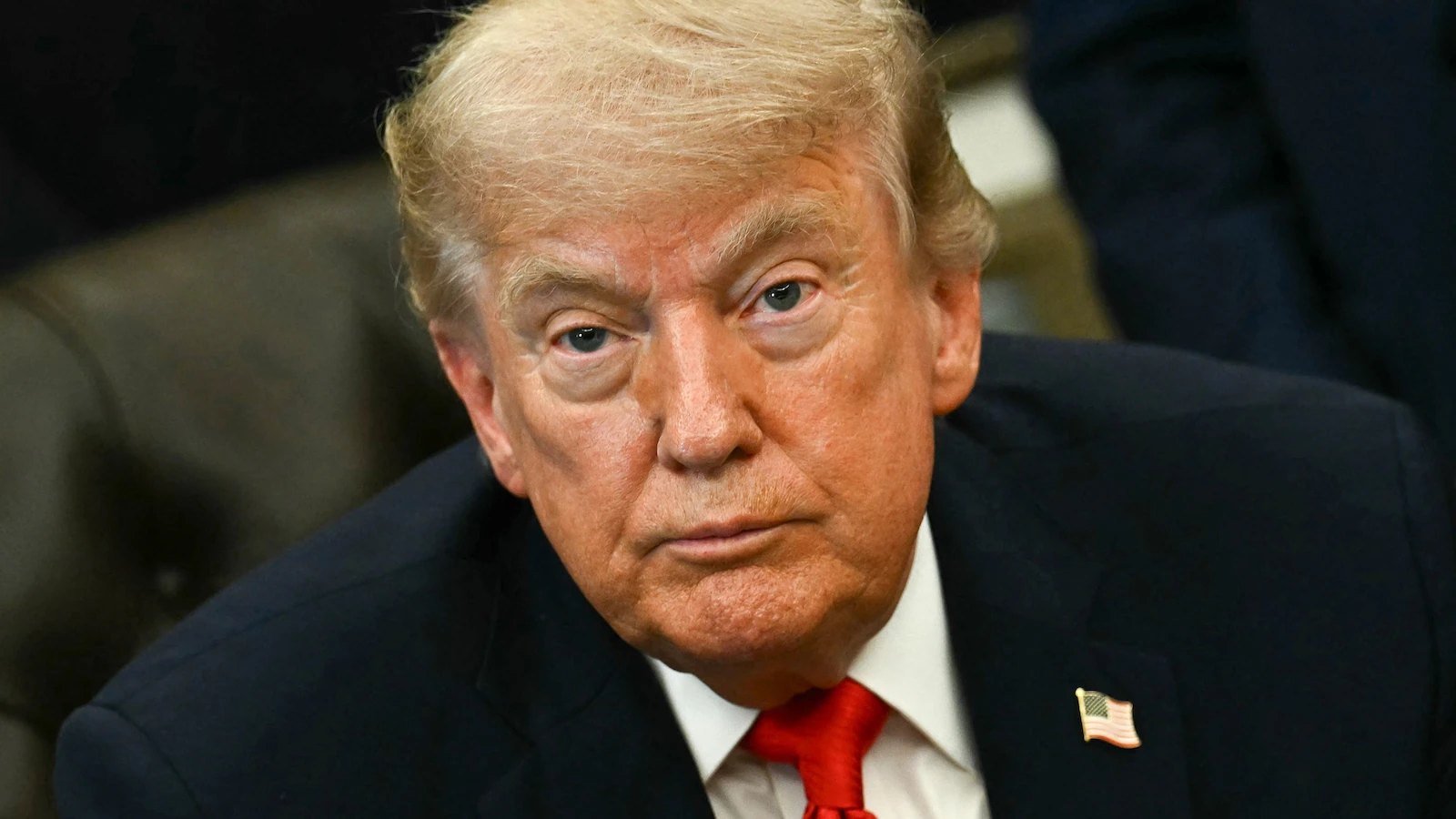
Brinkema highlighted President Trump’s expressed disappointment over the fund’s potential cancellation, citing a recent interview with NBC’s Meet the Press. “If it was up to me, I’d pay them the kind of money that they deserve,” Trump remarked, expressing frustration that the government might not establish the fund. This quote, preserved in a
, underscores his personal investment in the initiative and his belief in compensating those affected by the Capitol assault.
The judge also pointed to Trump’s shifting stance on the fund, including a public criticism of her after she had temporarily paused its implementation. Referring to her as a “radical left judge,” Trump’s remarks have fueled accusations of political bias. Brinkema, however, argued that the president’s dissatisfaction with the fund’s status further supports its likelihood of resurfacing in the future. She noted that the government’s reluctance to commit in writing creates a “huge gap in the record,” undermining the clarity of its legal position.
DOJ’s Argument and the Fund’s Legal Challenges
The DOJ has maintained that the case is now moot, asserting that the fund’s establishment is no longer a pressing issue. In a court filing, attorneys claimed they would not move forward with the fund, suggesting that the legal battle had reached its conclusion. However, Brinkema challenged this assertion, emphasizing that the absence of written confirmation from officials leaves the matter unresolved. She gave the government a week to formally declare its intent to abandon the fund, under penalty of perjury, which could lead to the case being dismissed.
During the hearing, Brinkema raised questions about the legality of Trump’s earlier settlement that authorized the fund. She referenced a recent Florida court order that had asked Trump’s legal team to respond to allegations of fraud against her judicial process. “You think this is lawful business?” she questioned Block, highlighting doubts about the fund’s compliance with legal standards.
Public Interest and Amicus Briefs
The judge also cited an amicus brief submitted by Senators Cory Booker and Bill Cassidy, which urged her to permanently block the fund. The brief emphasized the public’s strong interest in preventing the use of taxpayer money to compensate individuals who participated in the Capitol attack. “This brief shows that the public interest in stopping the fund is very strong,” Brinkema stated, underscoring the significance of the case beyond the immediate legal dispute.
Brinkema noted that the fund’s potential to reemerge was further supported by recent events. During the hearing, she revealed that an unidentified individual had submitted an application for funds directly to the court, raising concerns about the fund’s operational readiness and the urgency of its implementation. This development intensified the debate over whether the administration is genuinely committed to its stated goal of stopping the fund.
Broader Implications and Related Issues
The injunction has reignited discussions about the administration’s transparency and its handling of the fund. With the government’s failure to provide written commitments, Brinkema’s ruling reflects a growing skepticism about the fund’s intent and its alignment with public interest. The decision also highlights the political tensions surrounding the issue, as both Republicans and Democrats have voiced concerns over the potential misuse of taxpayer resources.
As the case moves forward, the DOJ faces pressure to clarify its position. If the administration cannot demonstrate a firm resolve to abandon the fund, the injunction may be revisited. Meanwhile, the legal battle serves as a focal point for broader debates about executive power, judicial oversight, and the balance between political interests and public accountability. The outcome could set a precedent for how future administrations handle similar funding initiatives, particularly in cases involving high-profile political events.
Brinkema’s ruling not only halts the fund’s immediate implementation but also underscores the importance of written commitments in legal proceedings. Her emphasis on the government’s lack of clarity has positioned her as a key figure in the dispute, with her decisions potentially shaping the fate of the fund and the administration’s ability to proceed with its plans. As the case continues, the public and legal community will be closely watching to see whether the administration can resolve its internal disagreements and provide a definitive answer to the fund’s future.
Amid the ongoing legal maneuvering, the fund remains a symbol of the ideological divide surrounding the January 6 events. Its existence has drawn both support and criticism, with some viewing it as a necessary measure to aid those harmed by federal actions, while others see it as a political payoff. As Brinkema’s injunction stands, the administration must now navigate the challenge of either securing the necessary written assurances or preparing to defend its position in court. The next steps will likely determine whether the fund is ultimately established, dissolved, or restructured to address the concerns raised by the judge and the public alike.