Trump Admin Can Replace Slavery Exhibit at Philly’s President’s House
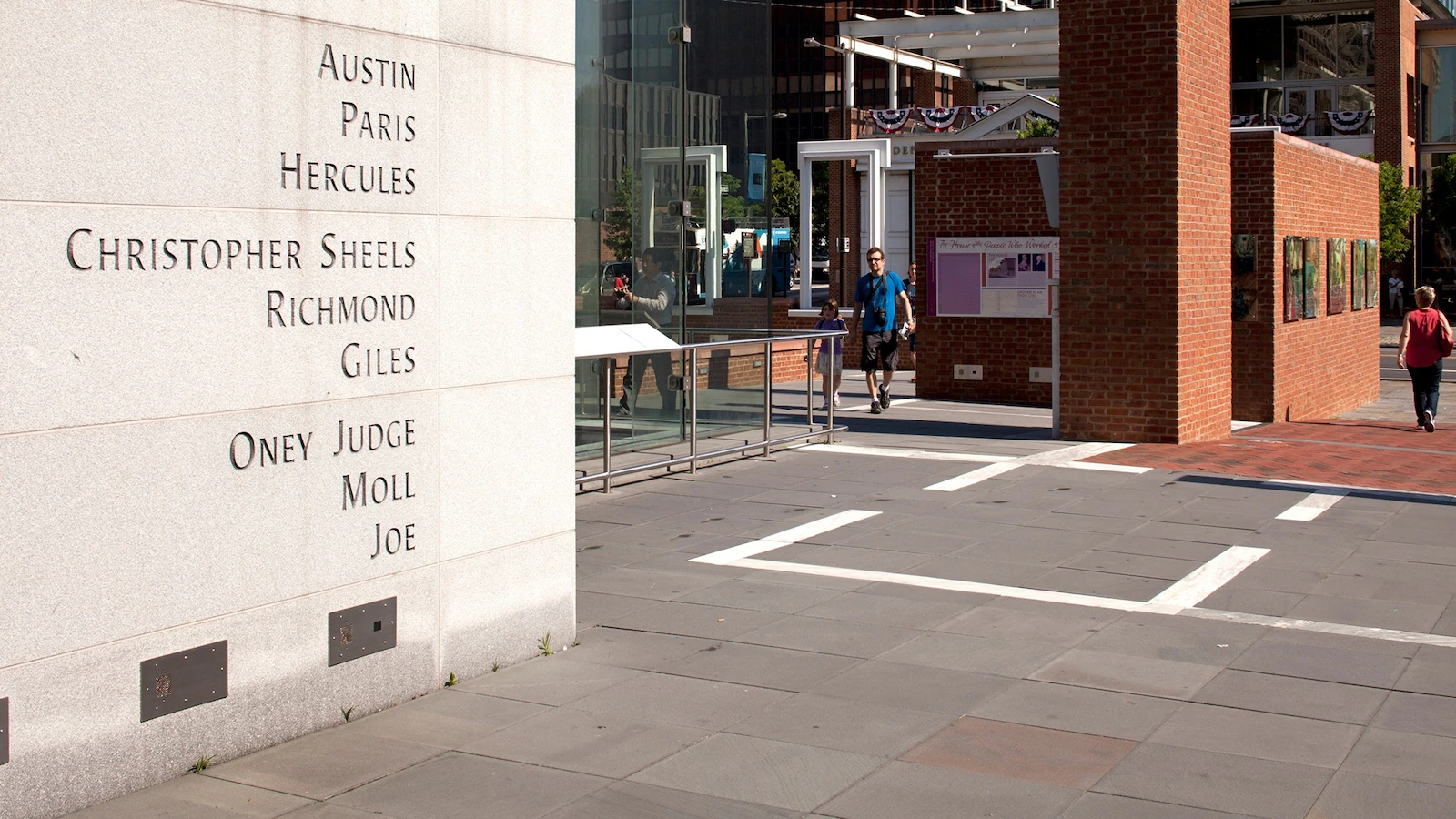
Cyberzenhub.com – The Trump administration can replace slavery exhibit at the President’s House in Philadelphia, according to a recent appeals court ruling. A federal appeals court has approved the move, enabling the National Park Service (NPS) to remove and revise the exhibit after a prior district court had blocked the action. This decision, made on Thursday, grants the NPS the authority to modify the panels that previously highlighted the lives of nine enslaved individuals under George Washington’s household. The exhibit, located at Independence National Historic Park, had sparked significant debate over its removal in January and partial restoration in February. The appeals court acknowledged the NPS’s argument that the panels were taken down for their alleged “disparagement” of American citizens, paving the way for a revised version.
Appeals Court Clarifies Legal Standing
The Third Circuit Court of Appeals unanimously upheld the NPS’s right to update the exhibit, emphasizing that the city of Philadelphia had valid standing to challenge the removal but the lower court had misjudged the scope of the city’s claims. The NPS had initially removed the slavery exhibit in January, citing the need for a more balanced historical narrative. After a February restoration, the panels were partially reinstated, but the appeals court noted that the original content was not fully returned. The court’s ruling clarified that the city’s lawsuit centered on the NPS’s breach of a 2006 agreement, which guaranteed specific terms for the exhibit’s display and preservation.
With the appeals court’s approval, the Trump administration can replace slavery exhibit at the President’s House in Philadelphia. The NPS plans to introduce new panels titled “Presidents Washington and Adams on Slavery” and “The Constitution and Slavery,” aiming to reshape the narrative of slavery’s role in early American history. While the court recognized the historical value of the original exhibit, it concluded that the NPS’s proposed changes are legally permissible under the terms of the 2006 contract. This allows the administration to proceed with its plans, despite criticism from advocacy groups.
City’s Arguments and Contractual Dispute
Philadelphia’s legal team argued that the NPS violated congressional laws and a 2006 contract by removing the exhibit without adequate notice. The city’s claim was rooted in the belief that the original panels were essential for preserving the educational integrity of the site. The contract, signed between the NPS and the city, required the NPS to maintain the exhibit as per its initial design, which included stories of the enslaved individuals’ experiences. However, the appeals court found that the NPS’s actions aligned with the contractual terms, allowing them to replace the slavery exhibit at the President’s House in Philadelphia.
The ruling also addressed the city’s argument about the NPS’s duty to present an inclusive history. The court stated that the NPS is not obligated to maintain a specific interpretation of history if it adheres to the terms of its agreements. This decision means the Trump administration can replace slavery exhibit at the President’s House in Philadelphia, as the NPS is free to revise the content under the contract’s provisions. The city’s lawsuit, however, remains valid in asserting its rights to challenge the removal, even if the final outcome supports the NPS’s position.
Advocacy Group’s Response to Proposed Changes
Advocacy groups, such as the Avenging the Ancestors Coalition (ATAC), have voiced strong opposition to the proposed revisions. Founded in 2002 by attorney Michael Coard, ATAC called the new panels “deeply offensive,” arguing they represent an attempt to distort and censor American history. The group criticized the changes for downplaying the harsh realities of slavery, claiming they fail to accurately reflect the experiences of the enslaved individuals featured in the original exhibit. “What we are seeing now is not restoration—it is revision,” ATAC stated, highlighting concerns that the Trump administration can replace slavery exhibit at the President’s House in Philadelphia without adequately addressing historical truths.
“The National Park Service’s most recent posting of proposed replacement panels at the President’s House Slavery Memorial is deeply offensive and represents yet another troubling attempt to distort and censor the stories of those who were enslaved,” said ATAC in an April statement. The group stressed that the original exhibit was a vital part of the park’s historical narrative, emphasizing the importance of preserving the legacy of the enslaved individuals. Despite these criticisms, the appeals court’s decision allows the Trump administration to replace slavery exhibit at the President’s House in Philadelphia, giving the NPS the green light to proceed with its revised interpretation.