
Iran says it will show ‘zero restraint’ if energy infrastructure is targeted again
Iran says it will show ‘zero restraint’ if energy infrastructure is targeted again
On Thursday, Iran issued a stark warning that it would not hesitate to respond with full force if its energy facilities were attacked again. This declaration came after Qatar disclosed that nearly 20% of its liquefied natural gas export capacity had been damaged in an Iranian strike, an event expected to have lasting effects on global energy markets. The Iranian foreign minister, Abbas Araghchi, emphasized the severity of the situation, stating that the country had only exercised restraint out of respect for a de-escalation request.
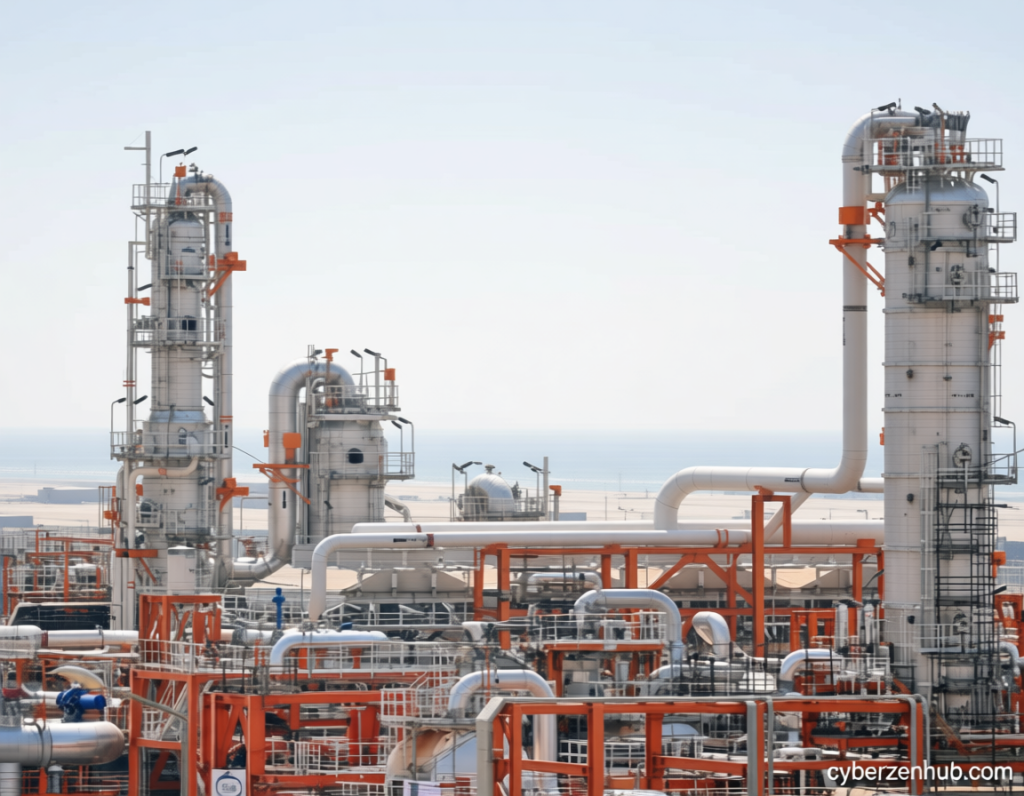
The incident followed Israel’s assault on the shared South Pars gasfield with Qatar, prompting Iranian retaliatory actions against Qatar’s Ras Laffan complex and other Gulf allies. These strikes contributed to a global market downturn, with stock prices falling sharply and gas prices rising significantly. Ras Laffan, a key hub for liquefied natural gas, accounts for roughly 20% of the world’s supply, highlighting the strategic importance of the facility.
“Our response to Israel’s attack on our infrastructure employed FRACTION of our power. The ONLY reason for restraint was respect for requested de-escalation. ZERO restraint if our infrastructures are struck again,” Araghchi stated on X.
Israel confirmed that its strike had also targeted the Bazan Group refinery in Haifa, causing damage. Meanwhile, Trump challenged claims that the attack was uncoordinated, asserting that he had instructed Netanyahu to avoid further strikes. However, he struggled to explain how Israel could act independently despite being part of a wartime alliance.
Netanyahu, when pressed, said Israel had operated autonomously. “We get along great,” Trump remarked during a meeting with Japan’s leader, adding that while the alliance was coordinated, Israel occasionally pursued actions the U.S. opposed. The U.S. is also considering sending thousands of troops to the Middle East, though it may avoid deploying ground forces to Iran.
Global tensions escalated as energy prices surged, with Brent crude reaching $119 per barrel before retreating to $110—a 3.3% increase. Since the conflict began on 28 February, crude prices have climbed over 60%. European and UK gas prices also saw a 24% spike, more than doubling in value. Stock markets experienced heavy declines, with the UK’s FTSE 100 dropping 2.35% and similar drops in Germany’s Dax and France’s CAC.
International leaders, including the UK, France, Germany, Italy, the Netherlands, and Japan, issued a joint statement expressing “deep concern” over the escalating conflict. They urged Iran to stop threatening commercial shipping by laying mines, launching drones, or missiles, and to adhere to a UN Security Council resolution. The group warned that Iran’s actions would impact people worldwide, especially the most vulnerable.
With the risk of a broader crisis, unnamed Israeli officials suggested the gasfield strike might not be repeated. However, Iranian strikes also targeted Saudi Arabia’s Red Sea refinery, situated along a pipeline that circumvents the Hormuz Strait. The potential for future military operations includes securing the strait through air and naval forces, possibly involving US troop deployments to Iran’s coastline.