
Israel launches new strikes on Tehran as Trump pauses Iran energy attacks
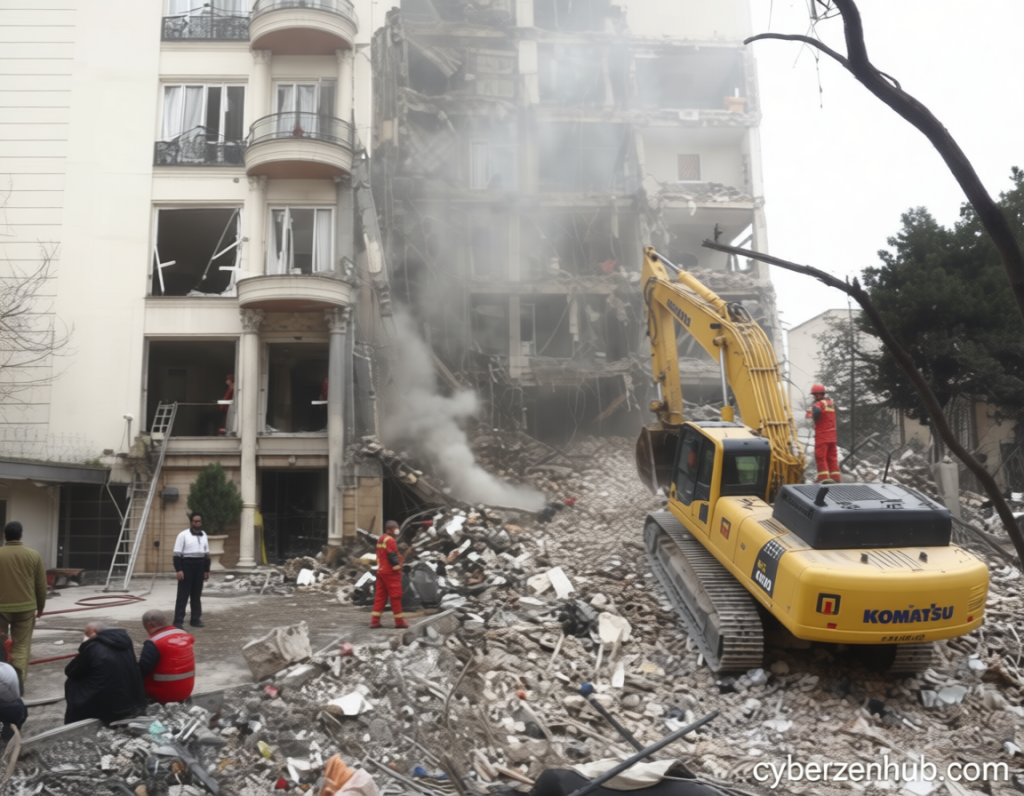
Israel Launches Strikes on Tehran Amid US Pause in Energy Attacks
The Israeli Defense Forces (IDF) announced fresh attacks on Tehran, following Donald Trump’s indication of a temporary halt in U.S. strikes targeting Iran’s energy infrastructure. Trump cited “productive” discussions with Iran as the reason for extending the deadline to strike power plants by five days. However, the IDF emphasized its commitment to carrying out operations as directed by Israel’s political leadership, stating it would continue targeting Iranian facilities until instructed otherwise.
About 40 minutes after Trump’s social media statement, the IDF shared on X that it had initiated another round of strikes focused on the Iranian regime’s infrastructure within the capital. The military hinted at a potential alignment with Washington’s decision to avoid direct attacks on energy sites, though it confirmed its own campaign against Iranian targets remained active.
“Washington and Tehran have had, over the last two days, very good and productive conversations,” Trump tweeted, adding that he had ordered the Department of War to delay military strikes on Iranian power plants for five days.
Escalation in Iranian Capital
Al Jazeera Arabic’s correspondent in Tehran noted the intensity of explosions in the city as “unprecedented,” underscoring the scale of the Israeli assault. Meanwhile, Iran’s Revolutionary Guards retaliated by launching attacks on Israeli sites, highlighting the ongoing regional tension. The IDF’s focus on military bases and weapons sites, including the Quds Force’s headquarters and missile production facilities, suggests a strategic shift toward infrastructure targeting beyond energy plants.
Casualty Estimates Rise
According to the US-based Human Rights Activists News Agency (HRANA), Iran has experienced at least 206 attacks across 15 provinces in the past 24 hours, with casualties reported among both civilians and military personnel. The latest strikes in Tabriz city claimed six lives, raising concerns that 15% of all recorded fatalities in Iran are children. Total deaths from the conflict have exceeded 1,500, with some organizations citing as high as 3,230 casualties by 21 March.
“It is estimated at least 15% of the total human casualties in Iran so far have been under the age of 18,” HRANA noted, emphasizing the impact on younger populations.
Missile Threats Diminished
The IDF reported destroying or neutralizing approximately 330 of Iran’s 470 ballistic missile launchers since the conflict began. Over half were neutralized through airstrikes, while others were rendered inoperable by targeting underground storage sites. Despite this, the military continues its efforts to eliminate remaining launchers, as missile attacks on Israel have dropped to around 10 daily, down from 90 at the war’s start.
Lebanon Campaign Continues
While operations in Iran intensified, Israel maintained its campaign in Lebanon. The IDF confirmed a strike in Beirut aimed at a militant group linked to Iran’s Quds Force, resulting in one fatality. In the southern village of Aita al-Chaab, Israeli forces have stationed themselves with a crane equipped for surveillance, positioning themselves near Ramiyah. Additionally, far-right finance minister Bezalel Smotrich urged the expansion of Israeli control into southern Lebanon, advocating for “sovereignty” over territories under its influence.
The Guardian was unable to independently verify all claims of strikes, but the continued military activity in both Iran and Lebanon underscores the complex dynamics of regional conflict and U.S. policy shifts under Trump’s administration.