
US set to send airborne troops to Middle East as Trump claims talks with Iran taking place
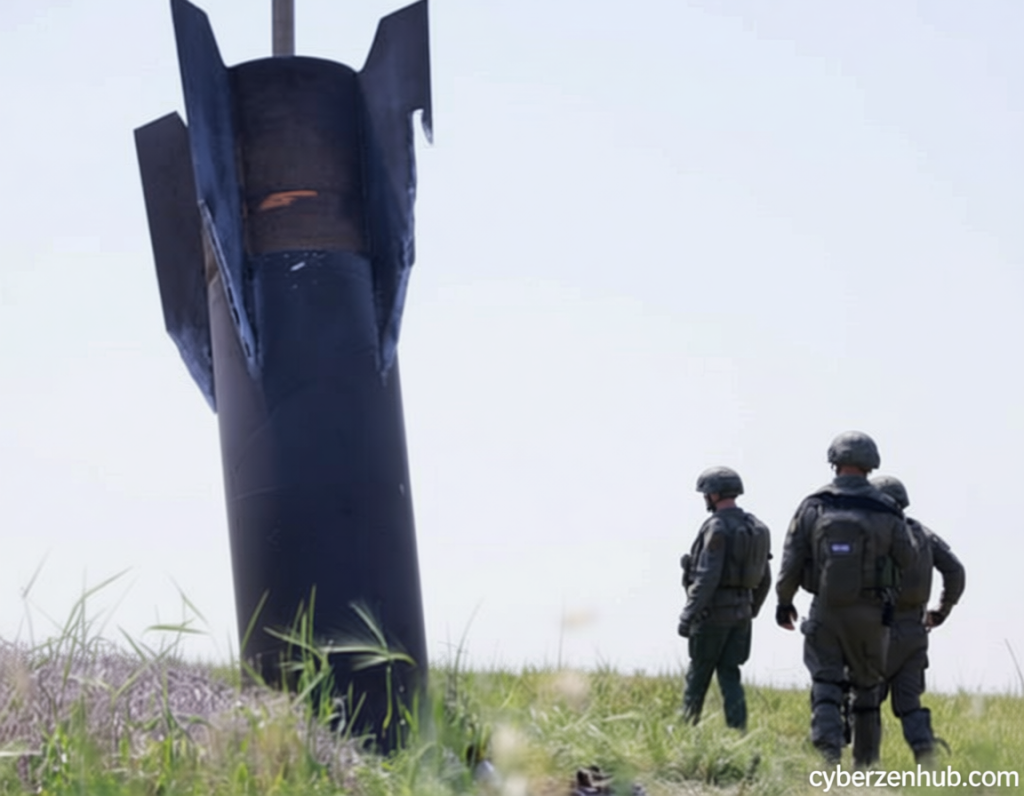
US Prepares to Deploy Airborne Troops Amid Escalating Middle East Conflict
As tensions mount in the Middle East, the United States is preparing to send 3,000 soldiers from its elite 82nd Airborne Division to the region. This move follows intensified strikes across the area on Tuesday, with reports indicating the potential for airborne forces to bolster military operations in the Gulf. The deployment, highlighted by the Wall Street Journal, aims to enhance US presence in the region, where troops could be tasked with securing strategic locations or disrupting Iran’s oil infrastructure.
Iranian Barrages and Regional Strikes
Iranian forces launched missile attacks targeting Israel, Gulf Arab nations, and northern Iraq on Tuesday. Meanwhile, Israeli and US aircraft continued bombing operations in Tehran and other Iranian territories. Israel also signaled its intent to establish control over parts of southern Lebanon, a move described by a Hezbollah official as an “existential threat” to the Lebanese state.
“They’re going to make a deal,” Donald Trump stated during a press appearance in the Oval Office on Tuesday, though he offered no specifics about the talks with Iran. The president claimed Tehran had provided a “very specific prize” tied to the strait of Hormuz, calling it a “very big present worth a significant amount of money” that demonstrated “we’re dealing with the right people.”
Trump’s remarks were accompanied by a timeline of military activity. The White House press secretary, Karoline Leavitt, confirmed the war would continue “unabated,” while noting Trump was exploring “the possibility” of diplomatic engagement. The president’s team included Vice President JD Vance, Secretary of State Marco Rubio, and envoy Jared Kushner in the negotiations.
Denial and Distrust from Tehran
Tehran has yet to confirm the talks, with officials in the capital dismissing the claims. The country’s UN ambassador reported at least 1,348 civilian casualties since the conflict began, underscoring the human toll. Analysts suggest internal divisions within Iran may fuel the defiant response, particularly as the nation has previously engaged in negotiations before the recent escalation.
“Their nature is to sow discord so that they can make people distrust officials and believe that such actions have taken place, whereas no such action has occurred,” said Esmail Kowsari, a member of Iran’s national security committee, according to the semi-official Fars news agency.
Despite skepticism, intermediaries such as Pakistan, Oman, Egypt, and Gulf states have affirmed tentative efforts to establish communication between Washington and Tehran. Trump recently shared an offer from Pakistani Prime Minister Shehbaz Sharif to host US-Iran talks, posting it on his Truth Social platform. The initiative follows weekend threats of strikes that could disrupt electricity and desalination plants in the Gulf region.
On Monday, Trump postponed a deadline for Iran to open the Hormuz strait to shipping or face airstrikes on power stations, temporarily lowering oil prices and boosting US stock markets. The new deadline now extends to Friday. The New York Times noted that Saudi Crown Prince Mohammed bin Salman had quietly pushed for accelerated action during the conflict’s third week.