Pentagon bars journalists from press office, calling it a ‘classified space’
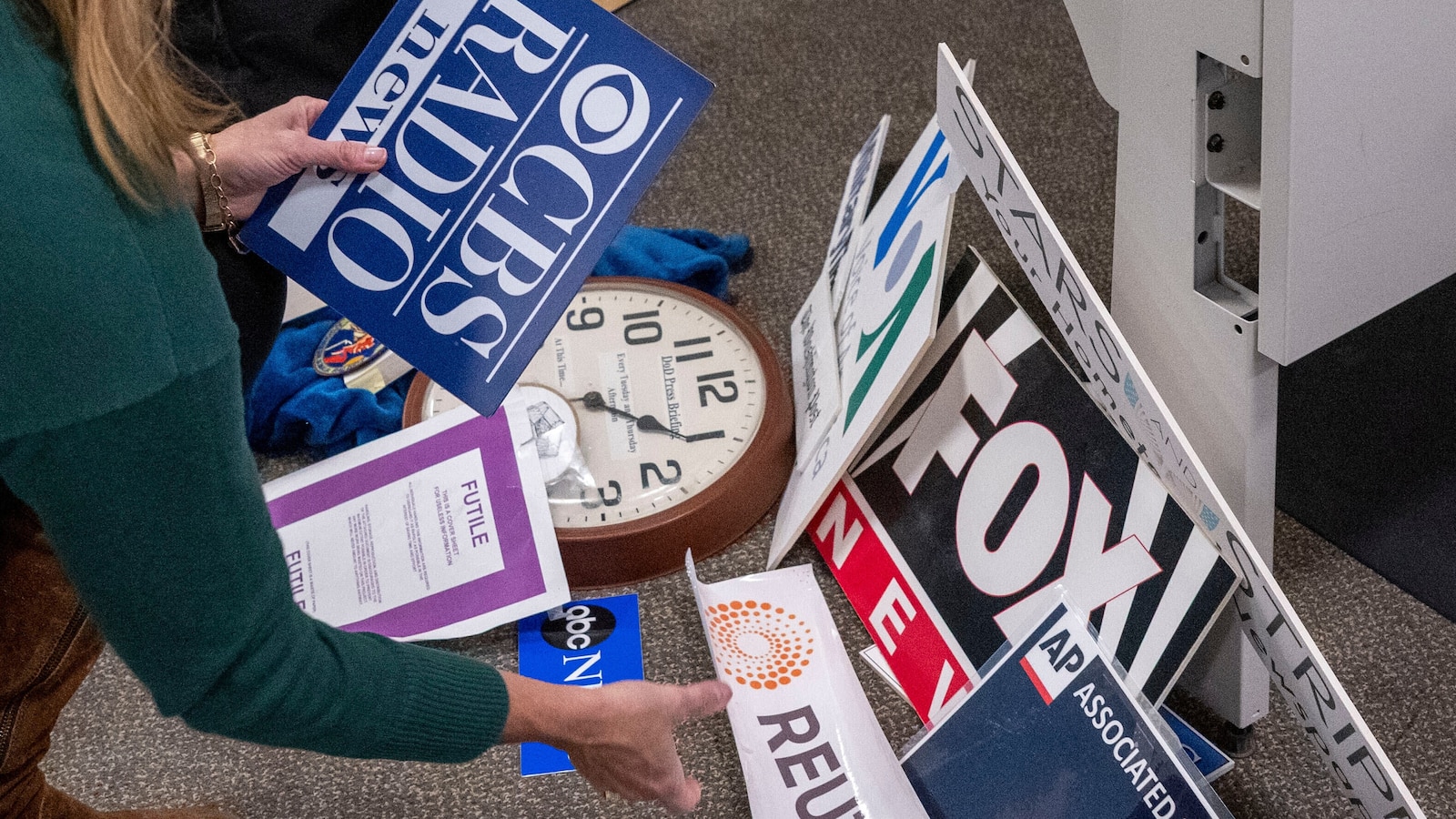
Cyberzenhub.com – NEW YORK — The Pentagon has taken another step to limit media access, declaring its press office a classified area off-limits to journalists. This decision, announced by acting press secretary Joel Valdez on X, follows a pattern of tightening restrictions on press interactions within the military complex. Valdez stated the change was not controversial, explaining that it was necessitated by the presence of speechwriters who handle classified materials in the space. “The Pentagon Press Office has been redesignated as a Sensitive Compartmented Information Facility due to speechwriters from the Office of the Secretary of War sharing the facility,” Valdez wrote. “These speechwriters routinely handle classified material… as a result, journalists will no longer be permitted to enter the office space. There’s nothing controversial about that.”
“The Pentagon Press Office has been redesignated as a Sensitive Compartmented Information Facility due to speechwriters from the Office of the Secretary of War sharing the facility,” Valdez wrote. “These speechwriters routinely handle classified material… as a result, journalists will no longer be permitted to enter the office space. There’s nothing controversial about that.”
The latest restriction has intensified tensions between the U.S. media and the Trump administration, which has been embroiled in a series of disputes over press freedoms. The move comes amid a broader conflict, with journalists and officials clashing both in public forums and through legal channels. This situation has led to increased scrutiny of the Pentagon’s policies, particularly their impact on the flow of information to the public.
For years, Pentagon reporters had unrestricted access to the press office, allowing them to move freely within the building. This access was crucial for their ability to conduct interviews, obtain briefings, and report on military operations. However, in October, most news outlets chose to surrender their credentials rather than accept new guidelines that would limit their ability to work independently. The New York Times, in particular, has been vocal about these changes, filing its second lawsuit against the Defense Department in five months. The case argues that requiring journalists to be escorted at all times within the Pentagon violates the First Amendment and represents an unconstitutional effort to suppress independent military reporting.
Valdez’s statement on X highlighted the rationale behind the classified designation, emphasizing that the shift was driven by the speechwriters’ use of sensitive information. “The Pentagon Press Office has been redesignated as a Sensitive Compartmented Information Facility due to speechwriters from the Office of the Secretary of War sharing the facility,” Valdez wrote. “These speechwriters routinely handle classified material… as a result, journalists will no longer be permitted to enter the office space. There’s nothing controversial about that.”
The policy change was implemented in March after a ruling by U.S. District Court Judge Paul L. Friedman, who had previously struck down earlier restrictions. However, the judge’s decision was later reversed when an appeals court stayed part of his ruling while the government appealed the decision. This left the escort policy in place, creating a legal limbo that has continued to fuel debates over press rights.
The New York Times first challenged the Pentagon’s restrictions in December, targeting a new rule introduced by Defense Secretary Pete Hegseth. The lawsuit sought to overturn an interim policy that the Pentagon had hastily established following the judge’s favorable ruling in the original case. The second lawsuit, filed in May, focused on the requirement that journalists be escorted at all times while in the Pentagon, arguing that it was a direct infringement on their freedom of the press.
The Pentagon’s decision to classify the press office has been framed as a necessary measure to protect sensitive information. Valdez described the move as a pragmatic response to the increasing use of classified material by speechwriters, who now occupy the space. This has raised concerns among journalists about the potential for further restrictions on their ability to access and report on military affairs. The classified designation may also signal a broader shift in how the military manages information, with the press office serving as a more secure environment for handling national security matters.
Meanwhile, the legal battle over media access continues to unfold. The New York Times’ second lawsuit against the Defense Department has added to the pressure on the administration, with the media group alleging that the policy is designed to limit their independence. The case underscores the growing divide between the military and the press, with the Pentagon’s actions seen as an attempt to control the narrative around military operations. Critics argue that such measures risk creating an environment where journalists are unable to report without constant oversight, potentially undermining public trust in military transparency.
Historically, the Pentagon Press Office has been a hub for media engagement, with reporters granted access to a wide range of information. The shift to a classified space may mark the end of an era where journalists could move freely and interact with officials without fear of being restricted. This change has already prompted discussions about the implications for news coverage, with some suggesting that it could lead to a more controlled flow of information from the military to the public.
The ongoing appeal process adds another layer of uncertainty to the situation. While the appeals court has paused part of Judge Friedman’s ruling, the Pentagon remains in place with its current policy, forcing journalists to adapt to new conditions. This legal back-and-forth has created a climate of tension, with the press office now serving as a battleground for the right to access information. As the situation develops, it remains to be seen how these restrictions will affect the media’s ability to inform the public about military actions and decisions.
Experts and media outlets have pointed to the broader context of the Trump administration’s approach to press relations. The decision to classify the press office reflects a trend of limiting access to the military, which has been a key focus of the administration’s policies. While the Pentagon maintains that these changes are essential for security, the media argues that they threaten the core principles of transparency and free speech. The debate is expected to continue as the legal challenges progress and the Pentagon’s new restrictions take effect.