Disaster Relief Delays and Political Divides Under Trump’s Second Term
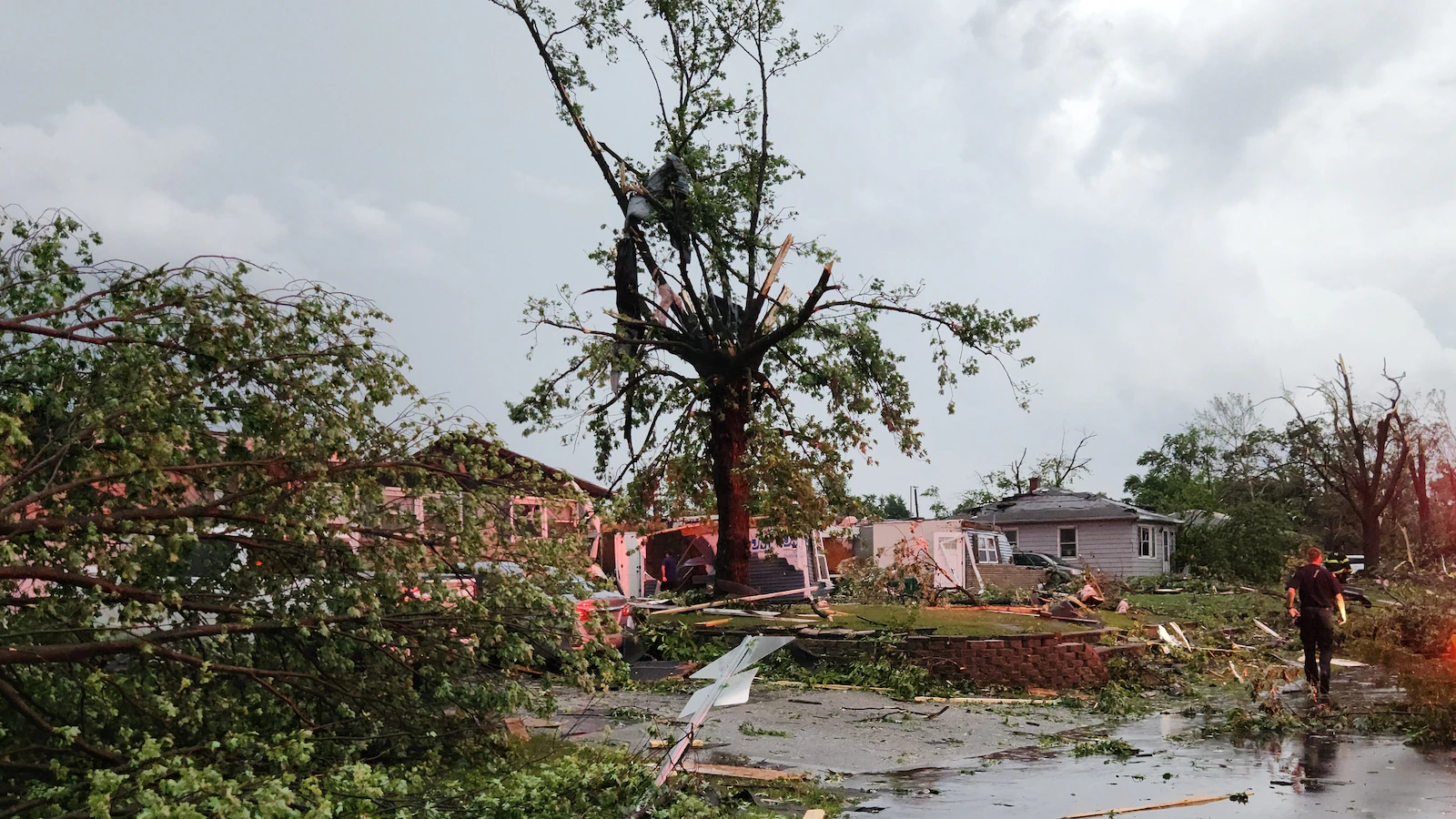
Cyberzenhub.com – Citizens frequently endure extended periods before securing federal backing after catastrophic events occur. If a resident resides in a region that cast its ballot against Donald Trump, the likelihood of rejection increases significantly. Since assuming the presidency last year, the administration has sanctioned roughly 65 applications for significant calamity relief while rejecting over 24 proposals submitted by various states, indigenous nations, and territories. These decisions follow a variety of natural calamities, including severe storms, tornadoes, wildfires, and flooding.
According to an investigation by the Associated Press utilizing records beginning in 1989, when updated federal guidelines were established, the current leader has exhibited the slowest pace of authorization among all modern occupants of the Oval Office. Furthermore, the gap between approving requests from loyal regions versus opposing ones is wider than ever recorded. This sluggishness coincides with potential restructuring efforts within the Federal Emergency Management Agency, the body responsible for distributing these funds. Such declarations are reserved for incidents overwhelming local capabilities.
Historical Comparisons and Approval Rates
During this second tenure, the rejection rate has reached historic highs. The distribution of these rejections reveals a clear political alignment. Data indicates that eighty percent of applications from Republican-led jurisdictions received green lights, whereas only sixty percent from Democratic areas were accepted. The divide becomes even starker when viewing results through the lens of the 2024 presidential race. More than seventy-five percent of requests originating from states that backed Trump were granted, compared to fewer than fifty percent from those that voted against him.
While statutory rules guide the process, the final call rests with the Commander-in-Chief. Recently, four northeastern states—Massachusetts, New Jersey, New York, and Rhode Island—faced rejection regarding assistance for a winter blizzard. Rhode Island’s congressional delegation criticized the move, suggesting it reflects a deliberate strategy to transfer financial strain to blue-leaning areas.
The President’s denial is part of a pattern of extreme partisanship as