
Stopping weight loss jabs can lead to rapid weight regain in one year, study suggests
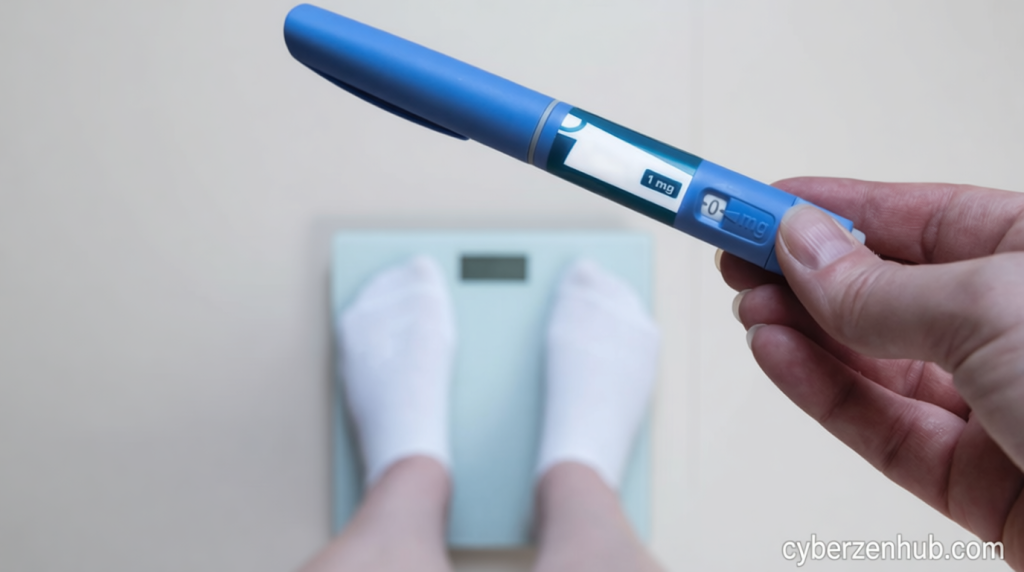
Weight Loss Jabs May Result in Rapid Weight Regain Within a Year, Study Indicates
A recent investigation suggests that individuals who discontinue obesity-targeting injections often experience a substantial portion of their weight loss reversed within a year. The research highlights concerns about the effectiveness of these drugs in maintaining long-term results.
Cambridge Researchers Track Weight Regain After Drug Cessation
Scientists from the University of Cambridge observed that, following a 52-week break from the injections, participants regained approximately 60% of the weight they had initially lost. They cautioned that if the regained mass is primarily fat, patients might face worse health outcomes than prior to treatment.
GLP-1 receptor agonists, the class of drugs under scrutiny, function by replicating the hormone GLP-1 to manage blood sugar and insulin. Originally designed for type 2 diabetes, certain variants like semaglutide (Wegovy) and tirzepatide (Mounjaro) are now used on the NHS to address obesity.
Substance Abuse Prevention Linked to Weight Loss Jabs in US Study
A separate study analyzing over 600,000 U.S. veterans revealed that GLP-1 drugs could reduce the risk of substance misuse. Those without prior addictions saw a 14% drop in developing disorders, while individuals already addicted experienced a 31% reduction in emergency visits, hospitalizations, and overdose incidents.
The findings, published in the British Medical Journal (BMJ), noted a 18% decrease in alcohol-related issues and 20% fewer problems with nicotine and cocaine among participants. Cannabis and opioid misuse risks also fell by 14% and 25%, respectively.
“Our projections indicate that even with significant weight recovery, some loss remains sustained. However, the question remains: does this mean lean mass is also restored, or is fat disproportionately regained?”
Brajan Budini, a medical student at the School of Clinical Medicine and Trinity College, University of Cambridge, emphasized the uncertainty surrounding body composition changes post-treatment. The team urged further trials to assess how these injections impact weight composition during and after use.
The Cambridge research, based on six trials involving over 3,200 individuals, concluded that weight regain tends to stabilize after 60 weeks, with 75% of lost weight typically returned. This suggests a potential plateau, leaving 25% of the reduction possibly enduring.
While the study focused largely on older men, similar outcomes were observed in women. Additional insights include the potential for these jabs to be used in preventing and managing addictions to alcohol, cigarettes, and drugs such as cannabis, cocaine, and opioids.
Read more: GPs to be offered bonus for prescribing jabs | Which weight loss jabs are available on the NHS? | Weight loss jabs could be banned by next Olympics