Cyberzenhub.com – Global oil prices surged and stocks plunged on Wednesday after an Iranian attack elicited a vow of reprisal from President Donald Trump, ending a brief calm that had renewed hope among investors of a negotiated resolution. A benchmark index for worldwide crude prices climbed nearly 8% on Wednesday, crossing above $90 a barrel. Major stock indexes, meanwhile, plummeted.
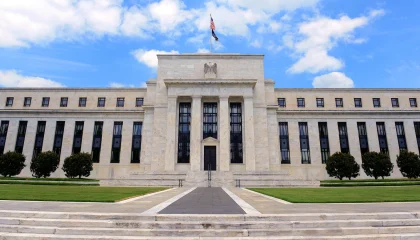
The Dow Jones Industrial Average closed down 1,153 points, or 2.1%, which amounted to its worst day since April 2025. The S & P 500 dropped 1.5%, while the tech-heavy Nasdaq declined 1.7%. The stock selloff deepened after a decision issued on Wednesday afternoon by the Federal Reserve, which opted to hold interest rates steady and voiced a forceful commitment to address elevated inflation.
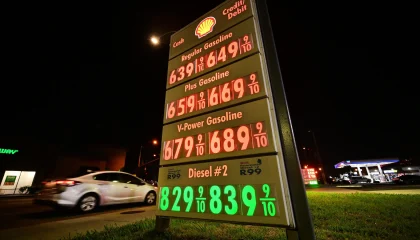
Related Fed holds interest rates steady as economy weathers resurgent inflation Oil prices account for a large share of the price of auto gasoline. The average price of a gallon of gas currently stands at $4.09, according to AAA , marking a 37% jump since war broke out in late February. Trump on Wednesday said the U.S.
will respond to an overnight missile attack launched by Iran. "We'll be hitting them [Iran] hard," Trump told Fox News. Related Iran live updates: Trump says US will hit Iran 'hard' following Jordan missile attack The U.S.
intercepted an "attempted surprise attack" involving multiple ballistic missiles, which targeted U.S. forces in the Middle East on Tuesday, according to U.S. Central Command.
Oil prices have swung dramatically over recent weeks in response to on-again, off-again fighting. Last month, oil prices briefly fell to their lowest level since before the war on news that a preliminary peace agreement had been reached. A resumption of large-scale fighting between the U.S.
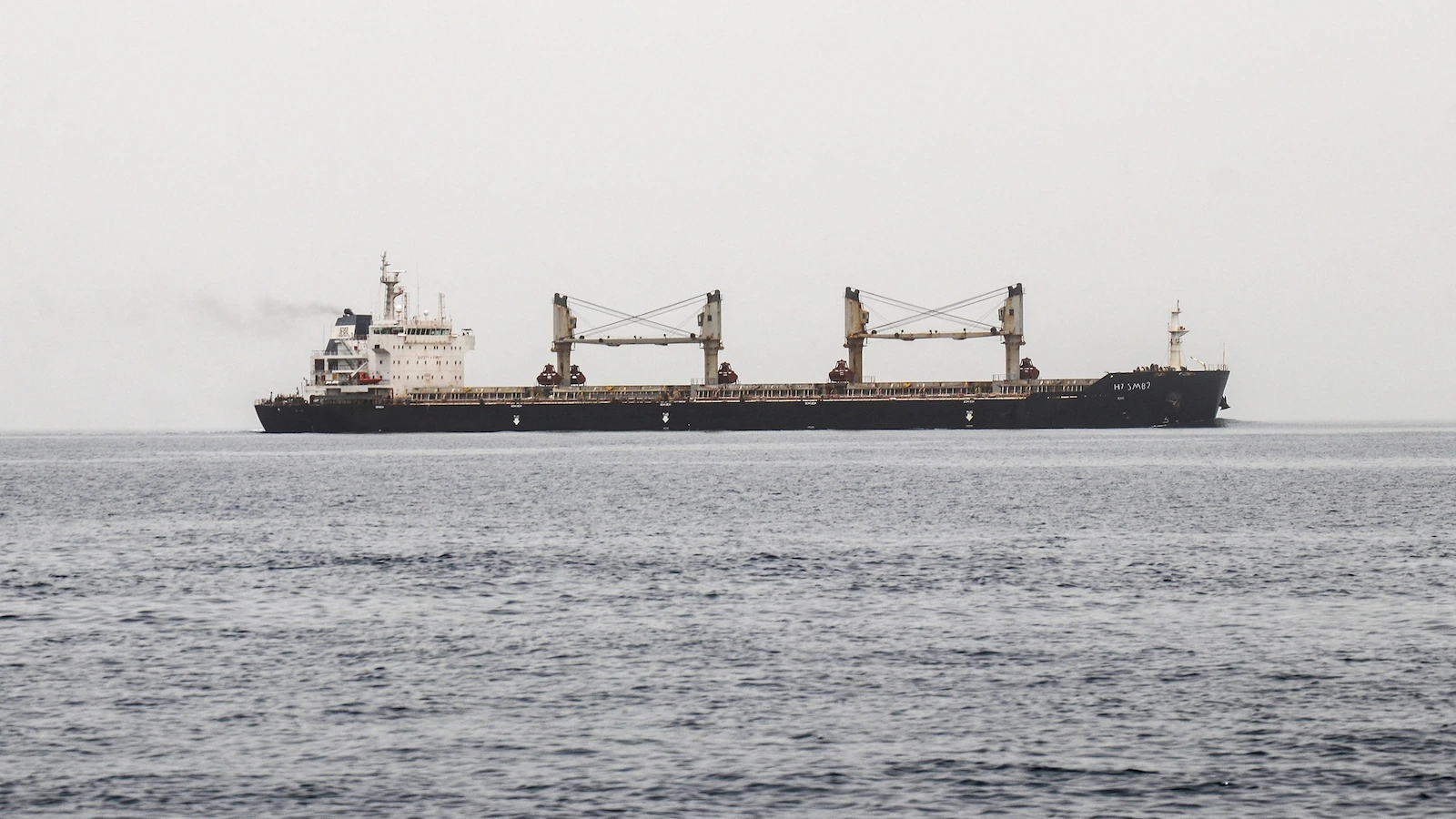
and Iran, however, cast doubt over the staying power of that deal. A customer pumps gas at a Freedom Fuel Network gas station on July 8, 2026 in Dresher, Pennsylvania. Joe Lamberti/Getty Images Shipping traffic in the Strait of Hormuz declined sharply as the war escalated.
The maritime trading route facilitates transport of about one-fifth of global oil supply. In turn, worldwide oil prices soared above $100 a barrel. Popular Reads Officials may be searching for 1 or more suspects in Seattle food festival shooting Jul 28, 4:14 PM Iran live updates: Trump says US will hit Iran 'hard' following Jordan missile attack 23 minutes ago Trump met with advisers on Iran options, sources say Jul 26, 3:49 PM Another round of price relief arrived on Monday after the U.S.
paused attacks on Iran over the weekend, but the resumption of fighting on Tuesday rekindled price gains. The Iran war set off a jump in overall inflation due in large part to a rise in oil prices and, in turn, fuel costs. Fed Chair Kevin Warsh, who took the helm of the central bank in May, has repeatedly vowed to slash inflation to the Fed's desired level of 2%.
The annual pace of price increases currently registers at 3.5%. "Persistently high prices are a burden for the American people," Warsh told reporters in Washington, D.C., last month. "This committee will deliver price stability." Related Fauci invokes 5th Amendment during Senate testimony, refrains from answering lawmakers' questions On Wednesday, the Fed's 12-member policymaking board described "elevated" inflation attributed in part to "supply shocks that have driven price increases in certain sectors, including energy." Odds stand in favor of a quarter-point rate hike in September, the next time central bankers meet, according to the CME Group's FedWatch Tool , a measure of investor sentiment.
Related Reading
Frequently Asked Questions
What is Oil prices surge after Trump vows?
Oil prices surge after Trump vows is the main topic of this guide. The article explains the context, practical details, and next steps readers should understand.
Why does Oil prices surge after Trump vows matter?
Oil prices surge after Trump vows matters because readers are looking for a useful answer, not just a short summary. Good content should match search intent and help them decide what to do next.