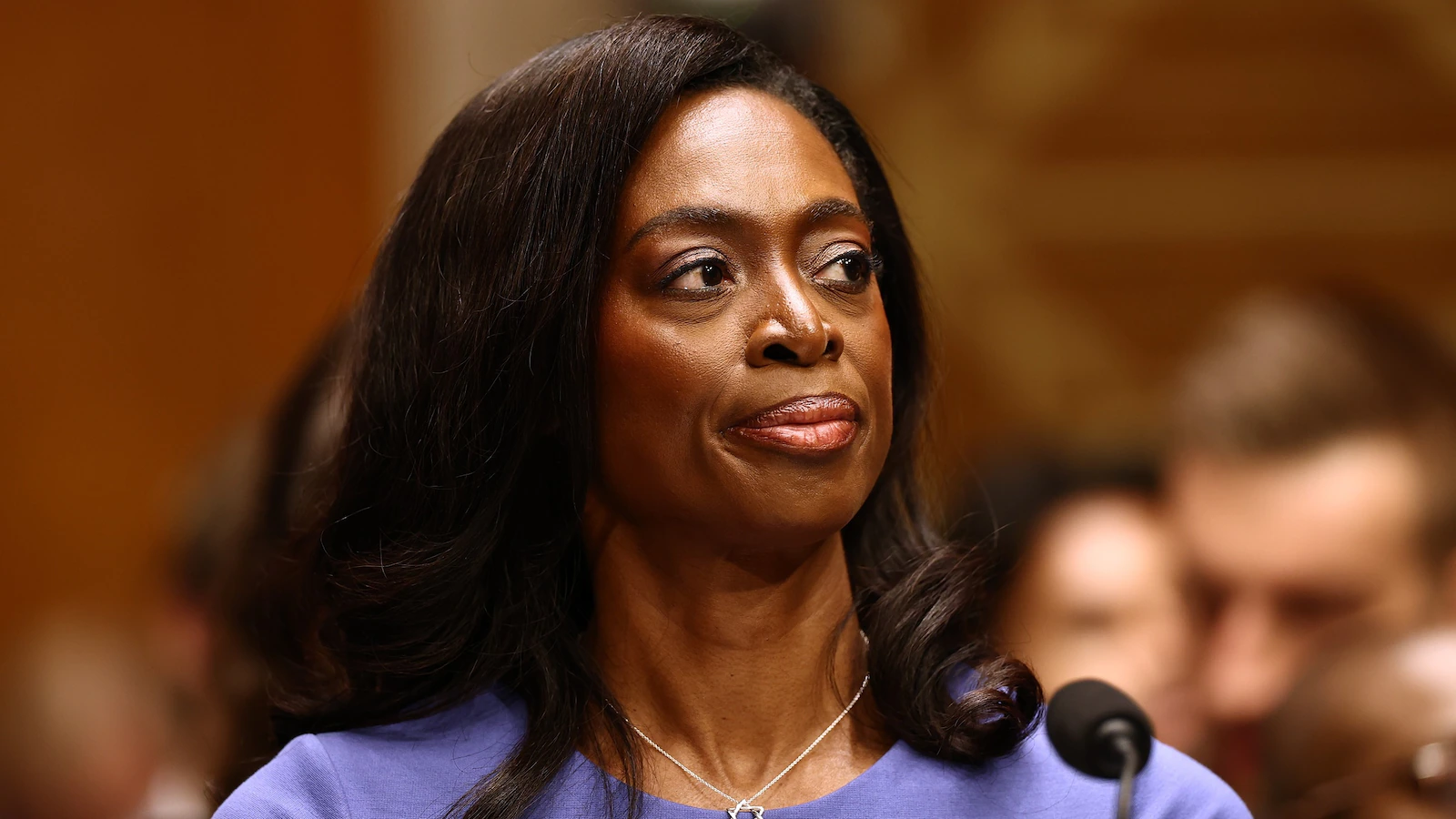
Senate Committee Advances Nomination of Dr. Erica Schwartz as CDC Director
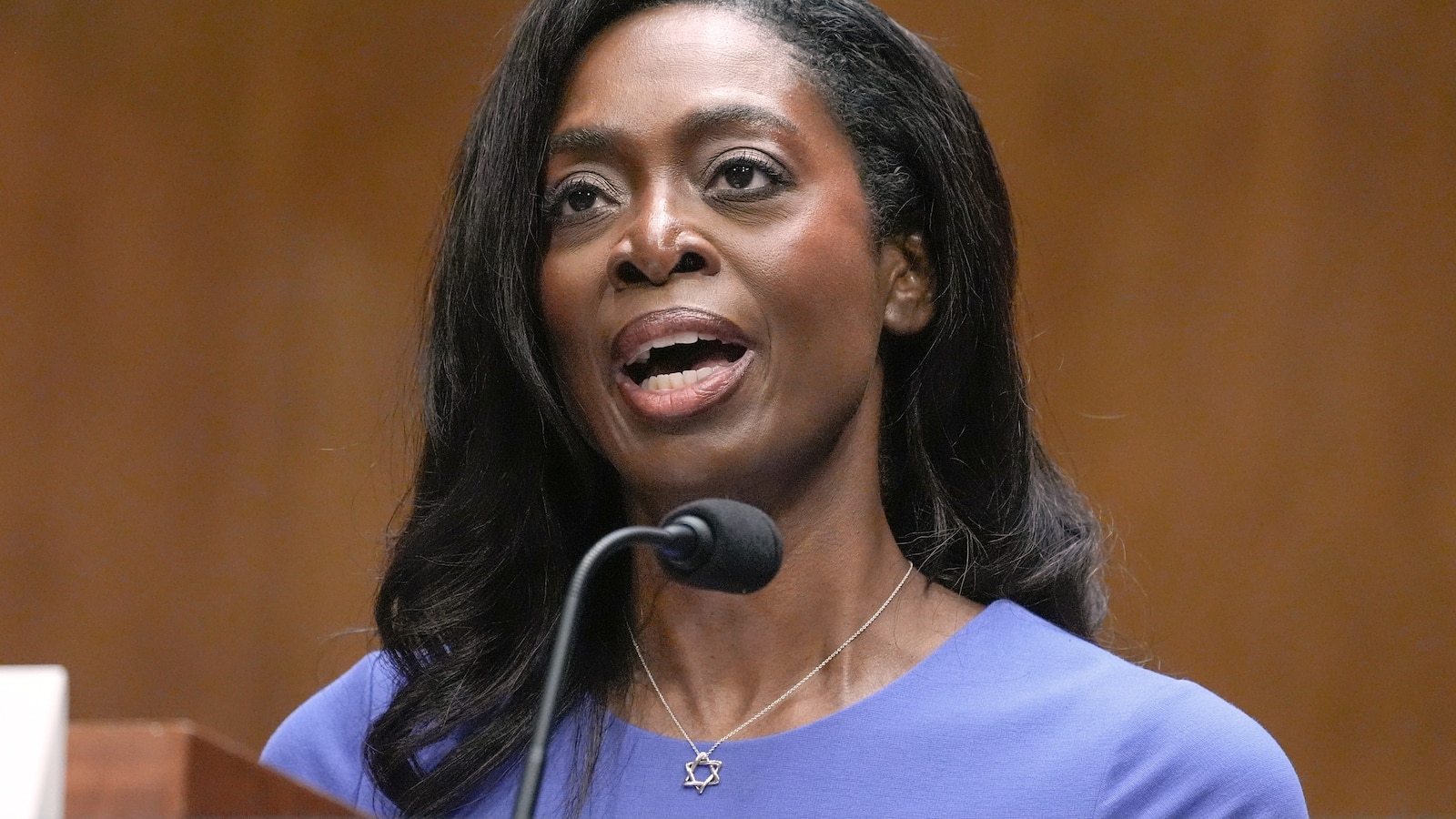
Cyberzenhub.com – A Senate committee advances nomination of Dr. Erica Schwartz to lead the nation’s premier public health organization, overcoming reservations about potential political interference. The 54-year-old medical professional received committee approval on Thursday, positioning herself to become the 22nd director of the Centers for Disease Control and Prevention if the full Senate confirms her selection.
Overcoming Political Concerns
The Senate committee advances nomination of Dr. Schwartz after addressing questions about her ability to maintain scientific integrity. Committee Chairman Sen. Bill Cassidy, R-La., noted that conversations with Schwartz and colleagues revealed her commitment to evidence-based decision-making. “I’m confident that she knows what she is doing and will stand against those who do not,” Cassidy stated following his review of her qualifications.
The committee’s near party-line vote moved the nomination forward, with Sen. Bernie Sanders among those who opposed her confirmation. Sanders emphasized the importance of having leaders willing to challenge anti-science perspectives within the administration.
CDC Undergoing Major Transformation
The CDC has experienced significant changes since Trump returned to office last year. The agency has lost more than 3,000 employees through layoffs and resignations, representing over one-quarter of its workforce. Morale has declined as temporary leaders have cycled through positions, with political appointees filling front office roles despite limited medical or public health training.
Public health experts expressed cautious optimism when Schwartz was nominated in April, pointing to her extensive credentials including medical and law degrees, her role as deputy surgeon general, and her leadership position at the U.S. Coast Guard.
Notably, Schwartz emerged as Trump’s choice rather than Kennedy’s, despite Kennedy’s prominence in the anti-vaccine movement before his appointment to oversee federal health agencies. Kennedy initially pledged not to modify the vaccination schedule but later attempted significant changes to childhood vaccine recommendations, some of which were temporarily halted by a federal judge.
What Senators Want to Know
The National Public Health Coalition, representing former and current CDC employees, called for clearer commitments from Schwartz regarding scientific independence. The organization highlighted concerns about her responses during the July hearing, noting that her stated positions were sometimes incomplete or vague.
Senators requested specific written commitments addressing scientific independence, evidence-based vaccine policy, and potential conflicts of interest. During the hearing, Schwartz indicated she was unaware that CDC programs focused on smoking prevention and vaccination promotion had been reduced. She also declined to commit to removing a CDC website page suggesting a potential link between childhood vaccines and autism.
While Cassidy mentioned that the Department of Health and Human Services modified the page as a gesture of good faith, the page continues to challenge the claim that vaccines do not cause autism, despite extensive research finding no such connection.
Looking Ahead
Dr. Georges Benjamin, executive director of the American Public Health Association, characterized Schwartz’s performance as an attempt to balance competing interests. Though he disagreed with certain responses, Benjamin continued to support her nomination.
The Senate committee advances nomination of Dr. Schwartz as the agency seeks to restore stability and scientific credibility. Her confirmation would represent a significant step in addressing the challenges facing America’s public health infrastructure.
Frequently Asked Questions
What happens next in Dr. Schwartz’s nomination process? After the committee vote, the nomination moves to the full Senate for consideration. A simple majority vote is required for confirmation.
Why is the CDC director position considered important? The CDC director oversees America’s primary public health agency, responsible for disease prevention, health promotion, and responding to public health emergencies affecting millions of Americans.
What are the main concerns about the CDC’s current state? Key concerns include workforce reduction, leadership instability, and potential political influence on scientific guidance and vaccine recommendations.
How does Dr. Schwartz’s background prepare her for this role? Schwartz brings medical and legal expertise, experience as deputy surgeon general, and Coast Guard leadership, providing a multidisciplinary foundation for public health administration.