Trump Weighs Decision on U.S. Attorney Pirro Following Reflecting Pool Case Dismissal
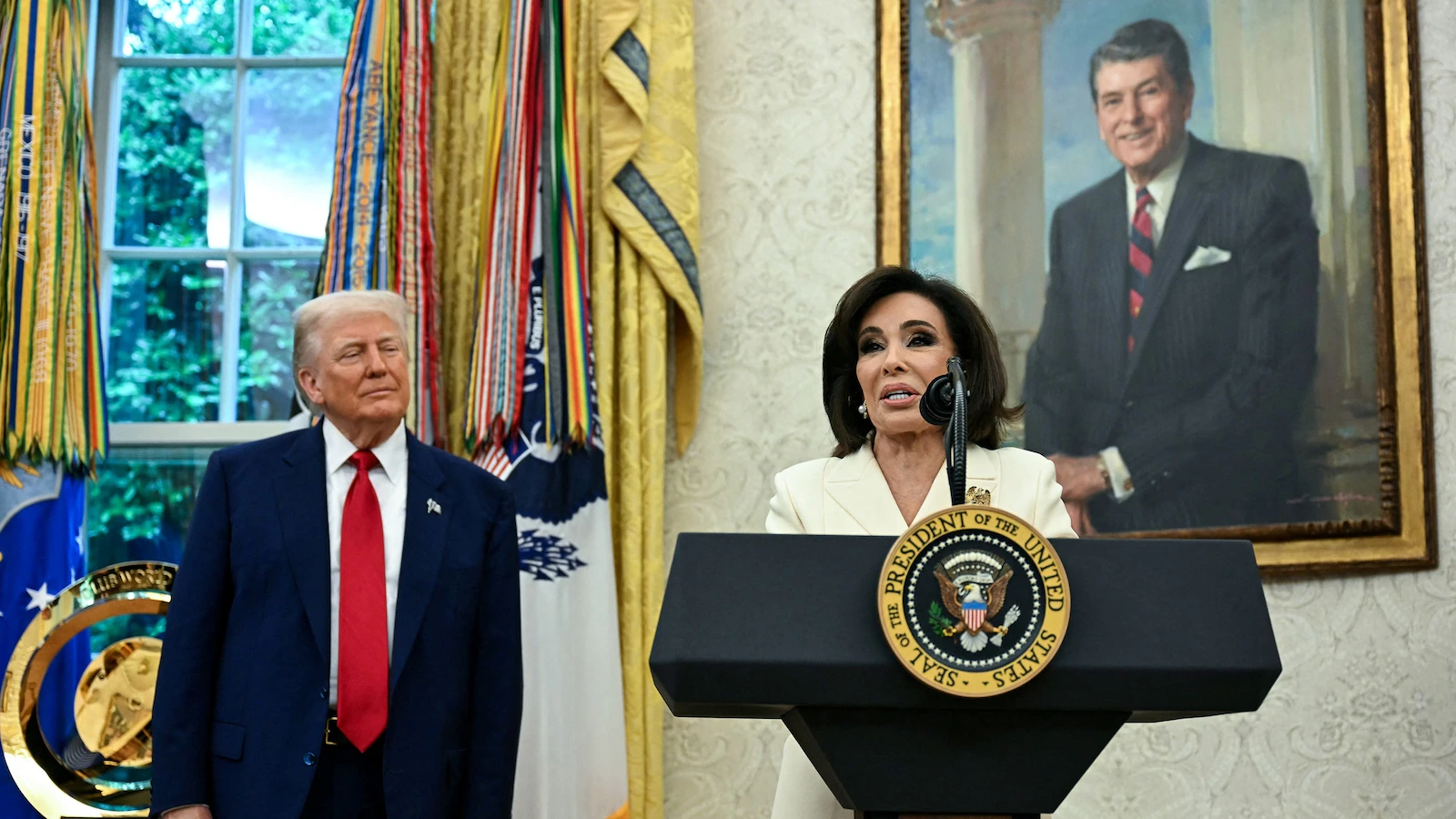
Cyberzenhub.com – President Donald Trump left the door open to removing U.S. Attorney Jeanine Pirro from her position following a White House meeting on Monday, though he stopped short of making a definitive announcement. The potential personnel change comes amid growing scrutiny over Pirro’s decision to dismiss criminal charges against individuals accused of damaging the historic Lincoln Memorial Reflecting Pool.
When reporters asked Tuesday whether her position was secure, Trump offered a measured response. “I haven’t made a determination,” he stated, signaling that the question remains under active consideration within the White House.
Monday’s Meeting and Immediate Aftermath
The White House encounter occurred on Monday afternoon, with sources close to the situation informing ABC News that Pirro traveled to the executive mansion specifically to discuss her future amid mounting questions. The timing proved significant, arriving just days after Trump publicly criticized the U.S. Attorney’s handling of the Reflecting Pool situation.
During the meeting, Trump reportedly expressed his frustration with what he characterized as Pirro’s retreat from her original position. He described her as having “choked” and “folded like an umbrella” when she dropped charges against those accused of damaging the pool’s lining.
“The judge was extremely unfriendly to Jeanine. And frankly, I think she choked because the judge was really vicious. Instead of going after the people that did it, the judge went after her and went after her department and I guess she choked,” Trump explained.
The David Hearn Case and Legal Dispute
At the center of the controversy sits David Hearn, a three-time Olympic canoeist who was arrested at the Reflecting Pool in late June. Federal prosecutors charged Hearn with a felony offense, alleging he caused more than $1,000 in damage to the pool’s lining.
Hearn maintained that he merely touched a section of the liner that had already become detached from the pool floor. He entered a not guilty plea to the charges brought against him.
Pirro filed a comprehensive 20-page motion to dismiss the case, arguing that the damage resulted from “flawed installation by the contractor” rather than intentional vandalism. Her filing cited internal National Park Service correspondence dated June 11—more than a week before Hearn’s arrest—that raised concerns about the pool liner peeling away from the bottom.
Additionally, Pirro withdrew misdemeanor charges against three other individuals connected to property destruction at the Reflecting Pool site.
Trump’s Persistent Vandalism Theory
Despite Pirro’s legal reasoning, the president continued to advance his position that vandals were responsible for the damage. He maintained that someone had deliberately cut and torn the pool lining using a knife or boxcutter.
“I don’t know what she was thinking? To me, it was a pure case of VANDALISM,” Trump wrote in a Saturday social media post criticizing Pirro’s decision.
Trump also challenged Pirro’s timeline, alleging that she assessed the damage immediately following the Fourth of July celebration when fireworks debris covered the pool area. This assertion conflicted with Pirro’s court filing, which indicated she visited the site on July 1.
Contractor Responsibility and Project Timeline
While insisting that vandalism occurred, Trump acknowledged that the contractors responsible for the pool renovation might share some blame. He noted that the construction team rushed to complete the project ahead of the Independence Day holiday.
“So now I’m not saying I was 100% thrilled with the contractor, but the contractor was rushing. We wanted to get it open for July 4th, and we got it done. But in addition, there was vandalism,” Trump said.
The Reflecting Pool, which has served as a prominent Washington landmark for decades, was drained shortly after the Fourth of July to facilitate repairs. The site remains empty and surrounded by fencing as work continues.
Broader Implications
The potential dismissal of a U.S. Attorney represents a significant personnel action that could reshape the District of Columbia’s federal prosecution landscape. Pirro’s appointment and subsequent decisions have drawn attention from legal observers and political commentators alike.
Trump has reportedly discussed the possibility of removing Pirro with his aides, though sources emphasize that no final decision has been announced. The president’s private deliberations suggest he is weighing multiple factors, including the legal merits of Pirro’s position and the political implications of her handling of the case.
As the situation develops, all eyes remain on the White House for a potential announcement regarding the future of the U.S. Attorney for the District of Columbia.
Related Reading
Frequently Asked Questions
What is Trump doesn t rule out firing?
Trump doesn t rule out firing is the main topic of this guide. The article explains the context, practical details, and next steps readers should understand.
Why does Trump doesn t rule out firing matter?
Trump doesn t rule out firing matters because readers are looking for a useful answer, not just a short summary. Good content should match search intent and help them decide what to do next.