
Judge blocks Trump administration from ending TPS for Yemeni nationals
Judge Blocks Trump Administration from Ending TPS for Yemeni Nationals
Judge blocks Trump administration from ending – Following a series of legal challenges against the Trump administration’s efforts to dismantle Temporary Protected Status (TPS) for migrants from Haiti and Syria, a federal judge in New York issued a decisive ruling on Friday that temporarily halted the termination of TPS for Yemeni nationals. This decision comes as part of a broader dispute over the government’s authority to end protections for immigrants in unstable countries, with the Yemeni case now adding to the growing list of court interventions that have slowed the process.
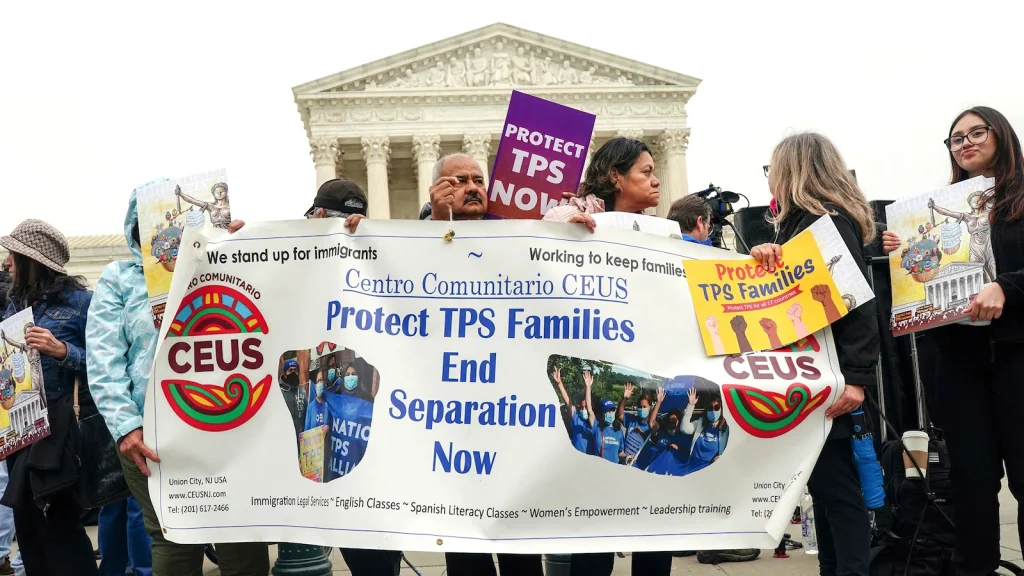
Supreme Court Hears Key Arguments
Days prior to the New York ruling, the U.S. Supreme Court convened to consider whether the Trump administration could legally end TPS for Haitian and Syrian nationals. The court’s deliberation marked a critical juncture in the ongoing debate over the policy, which has been a focal point for immigration advocates and legal experts. The New York ruling, however, represents a more immediate action, with the judge citing procedural violations as the primary reason for the stay.
The Yemeni TPS designation was originally set to expire at midnight on May 4, but the judge’s intervention prevents that from happening. The ruling underscores the administration’s struggle to fully implement its plans, as courts continue to scrutinize its compliance with statutory requirements. The decision also highlights the personal stakes involved for the 3,000 Yemeni nationals currently benefiting from the program, many of whom have called the protections a lifeline in the face of ongoing conflict and displacement.
Plaintiffs’ Cases Highlight Human Impact
At the heart of the legal challenge are 16 plaintiffs—some of whom have resided in the U.S. for decades—who argue that ending TPS for Yemeni nationals would disrupt their lives and livelihoods. Among them is a 33-year-old woman in Detroit, who is due to give birth this month. Her unborn child, she claims, suffers from a congenital heart condition that cannot be treated in Yemen. Another plaintiff is a 50-year-old former human rights worker in Brooklyn, currently targeted by Houthi-aligned militias in her home country. A third case involves a 36-year-old medical clinician in Houston, whose research on cancer therapies has been ongoing for years.
These individuals represent the broader community of Yemeni nationals in the U.S., many of whom have relied on TPS to secure employment, access healthcare, and raise families. The judge’s opinion emphasizes that the administration’s decision to end the program for Yemen “in clear disregard” of congressional procedures has set a troubling precedent. “This Court does not write on a blank slate,” he wrote. “Defendants have terminated TPS for more than half a dozen countries in the last six months, under circumstances nearly indistinguishable from those here. Every district court that has considered the principal argument raised by the Plaintiffs here has granted a motion to postpone and/or vacate a termination of TPS for failing to comply with the required process.”
DHS Defends the Decision
In response to the ruling, a Department of Homeland Security spokesperson defended the administration’s actions, stating that the decision to end TPS for Yemen was based on a thorough assessment of conditions in the country. “After reviewing conditions in the country and consulting with appropriate U.S. government agencies, the Homeland Security Secretary determined that Yemen no longer meets the law’s requirements to be designated for Temporary Protected Status,” the statement said. The spokesperson added that the move aligns with the program’s original intent as a temporary measure and prioritizes national security interests.
Despite these arguments, the judge’s decision has been widely seen as a victory for the Yemeni plaintiffs, who have been working tirelessly to keep their status intact. The ruling also reinforces the argument that TPS serves a vital function in supporting communities affected by war and instability. With Yemen’s civil conflict persisting, the program has provided a critical safety net for those who cannot return home.
Economic and Social Significance
Judge Dale Ho’s opinion also drew attention to the economic role Yemeni nationals play in the United States, particularly in New York City. He noted that these individuals operate approximately half of the city’s 15,000 family-owned convenience stores, contributing significantly to local economies. “The TPS holders among them form an integral part of business networks that employ and serve millions of people in the United States,” the judge explained. This underscores the broader impact of the decision, beyond the personal stories of individual plaintiffs.
The legal battle over TPS has gained momentum as courts across the country weigh in on the administration’s actions. While the Supreme Court focuses on the constitutional validity of the policy, lower courts have increasingly emphasized procedural adherence. The New York ruling adds to this trend, with the judge citing the consistent pattern of deference to TPS holders in similar cases. “Defendants have repeatedly acted in ways that disregard the established framework,” he wrote, highlighting the tension between the administration’s goals and the legal safeguards designed to protect vulnerable populations.
Broader Implications for TPS
The decision to block the Yemeni TPS termination raises questions about the administration’s broader strategy. With TPS already in jeopardy for other countries, the judge’s ruling suggests that the legal landscape is against the government’s efforts to eliminate the program. The case also reflects the growing divide between the Trump administration’s approach to immigration and the protections enshrined in the law. For Yemeni nationals, the stay offers temporary relief, but the long-term fate of their status remains uncertain as the Supreme Court prepares to issue its final ruling.
As the debate continues, the Yemeni case serves as a microcosm of the larger conflict over TPS. The plaintiffs’ arguments—centered on the necessity of the program for personal and familial security—have resonated with judges and advocates alike. Their stories, from a pregnant woman in Detroit to a medical researcher in Houston, illustrate the human cost of abrupt policy changes. Meanwhile, the administration’s defense hinges on its assertion that TPS is meant to be temporary and that Yemen no longer qualifies as a country in need of such protections.
Quotes from Key Figures
“The decision to halt the termination of TPS is a lifeline for my family; it is the moment we finally breathed a sigh of relief after months of existential anxiety,” said plaintiff Hadeel Doe, whose court filing was made under a pseudonym out of concern for her safety. Her case, among others, highlights the personal risks faced by Yemeni nationals who rely on the program to remain in the U.S.
As the legal proceedings unfold, the Yemeni TPS case remains a pivotal moment in the fight to preserve protections for immigrants in crisis. With the Supreme Court’s final judgment looming, the administration faces mounting pressure to justify its decisions and demonstrate that they align with the procedural requirements laid out by Congress. For now, the Yemeni plaintiffs have secured a reprieve, but the broader implications for TPS will depend on the outcome of the higher court’s review.