Oil Industry Leaders Face White House Pressure as Iran Conflict Drives Fuel Costs Higher
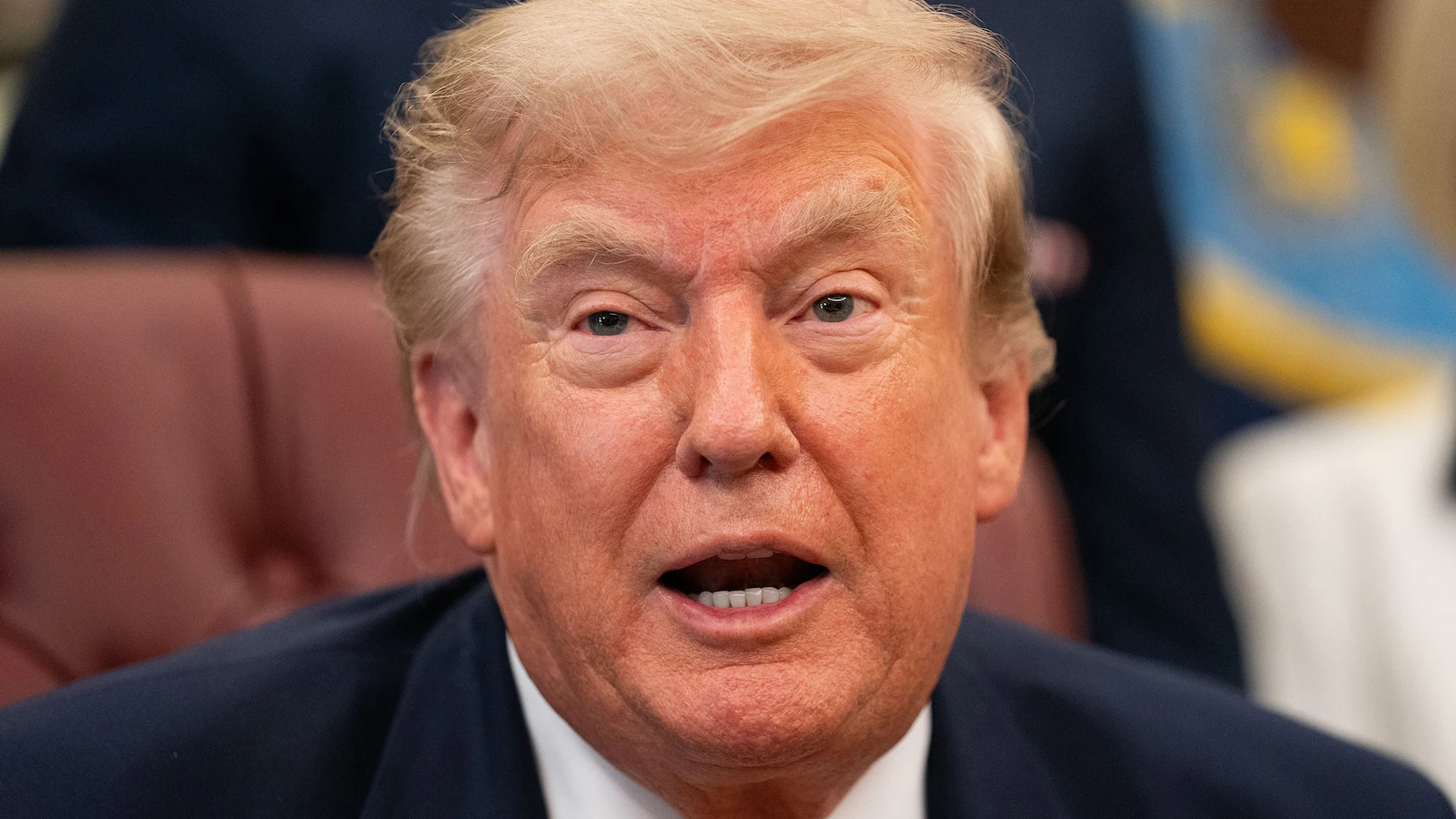
Cyberzenhub.com – The American energy sector is under renewed scrutiny from the highest levels of government as geopolitical tensions in the Middle East continue to reshape global markets. President Donald Trump has publicly challenged two of the nation’s largest petroleum corporations, arguing that their financial gains during the ongoing conflict with Iran have exceeded reasonable levels. Speaking to journalists from the Oval Office, the president emphasized that ExxonMobil and Chevron are capturing disproportionate benefits from elevated fuel costs.
Trump’s comments came as both companies released earnings figures demonstrating remarkable growth. The administration leader suggested that these corporations should reduce retail fuel prices for consumers rather than maintaining the premium pricing levels established during wartime conditions. His message was direct: the current profit margins represent an excessive burden on American households already feeling the economic impact of international hostilities.
Record-Breaking Quarterly Results
Financial disclosures from both companies reveal extraordinary performance metrics. Chevron announced earnings of twelve billion dollars across the three-month period concluding in June, representing an increase of approximately four hundred percent compared to the identical timeframe during the previous year. This dramatic surge reflects not only higher crude oil valuations but also increased operational efficiency during challenging market conditions.
ExxonMobil delivered equally impressive numbers, reporting quarterly profits of fourteen point five billion dollars. This figure more than doubled the company’s results from the corresponding three-month span twelve months earlier. Both corporations declined to provide immediate responses when approached for statements regarding the president’s criticism.
Markets were supportive, but our performance reflected the strength of the portfolio and operating model we have built over many years. As conditions changed, we moved products where they were needed, optimized assets, and supported customers, leveraging our global integrated portfolio.
These statements from corporate leadership suggest that while favorable pricing conditions contributed to success, internal operational strategies played an equally significant role in generating record revenues.
Geopolitical Disruption and Market Volatility
The current crisis originated on February twenty-eighth when coordinated military actions by the United States and Israel targeted Iranian facilities. This escalation triggered what analysts describe as a historic petroleum shortage, sending commodity prices to unprecedented levels. Motorists quickly experienced the consequences at fueling stations across the country.
A critical factor in this supply disruption involves Iran’s effective closure of the Strait of Hormuz. This vital maritime corridor facilitates the transportation of approximately twenty percent of worldwide oil production. When vessels cannot navigate this passage freely, global supply chains face immediate pressure, creating cascading effects throughout international markets.
Brent crude futures experienced extraordinary movement during this period. By late March, prices had climbed more than sixty percent above pre-conflict valuations, reaching peaks of one hundred nineteen dollars per barrel. Market participants watched anxiously as diplomatic efforts attempted to stabilize conditions.
Chevron’s people remain focused on safely delivering reliable energy the world needs. Our strong second quarter is a result of disciplined investment and strong execution that drove record U.S. upstream production, record crude throughput in our U.S. refineries, and exceptional reliability across key assets.
Current Market Conditions and Consumer Impact
Oil prices have demonstrated considerable fluctuation over recent months as fighting ebbs and flows between American and Iranian forces. White House communications frequently signal that peace negotiations are progressing, though concrete agreements remain elusive. Despite these oscillations, petroleum valuations have generally stayed above pre-war baselines.
June brought temporary optimism when preliminary peace discussions suggested a potential resolution. Prices briefly touched their lowest point since hostilities began. However, renewed combat operations quickly undermined confidence in any lasting settlement.
As of Tuesday afternoon, global crude trading at seventy-nine point forty dollars per barrel. This valuation followed statements from Treasury Secretary Scott Bessent indicating that an agreement to reopen the strategic waterway may materialize soon. Such developments could provide meaningful relief to energy markets.
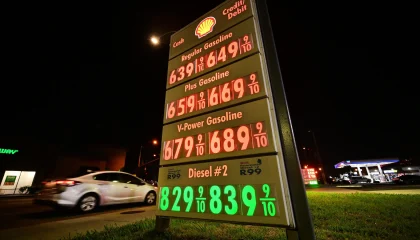
For American consumers, petroleum costs represent a substantial portion of gasoline pricing. The national average currently sits at four point zero eight dollars per gallon, reflecting an increase of nearly thirty-seven percent since the conflict commenced. This escalation affects everything from daily commuting expenses to freight transportation costs that ultimately influence prices for goods and services throughout the economy.
Industry observers note that while oil companies have benefited from higher prices, their operational costs have also increased significantly. Rising fuel expenses for their own fleets, equipment, and logistics networks mean that not all revenue growth translates directly to shareholder returns. The administration’s position suggests that corporations should consider sharing some of these wartime gains with consumers through reduced retail pricing rather than retaining all additional revenue generated by elevated commodity valuations.
Related Reading
Frequently Asked Questions
What is Trump says Exxon and Chevron are making?
Trump says Exxon and Chevron are making is the main topic of this guide. The article explains the context, practical details, and next steps readers should understand.
Why does Trump says Exxon and Chevron are making matter?
Trump says Exxon and Chevron are making matters because readers are looking for a useful answer, not just a short summary. Good content should match search intent and help them decide what to do next.