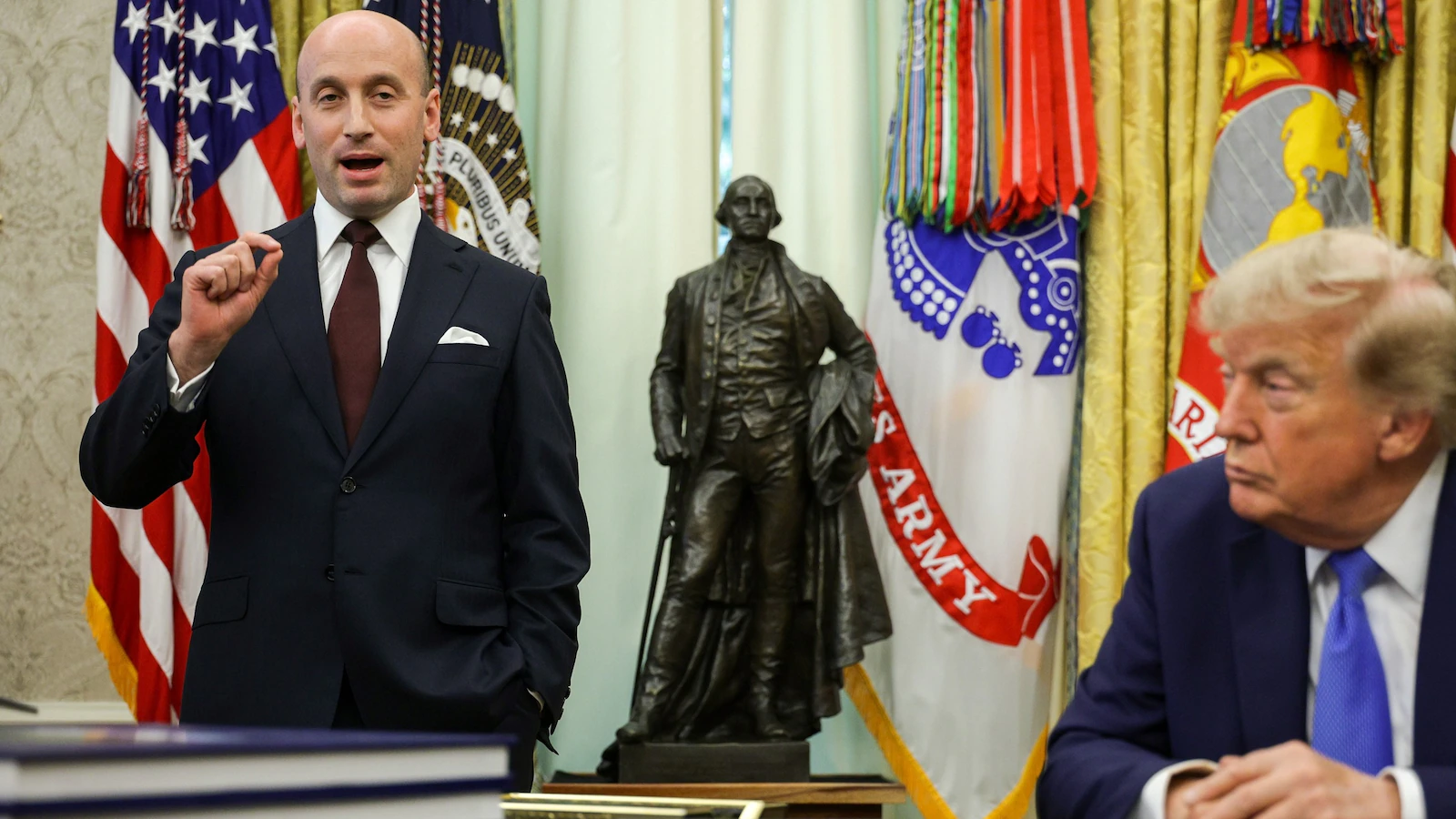
Trump Issues New Executive Orders to Restrict Birthright Citizenship and Combat Birth Tourism
Cyberzenhub.com – President Donald Trump moved to reshape American citizenship policy on Thursday by signing two executive orders designed to narrow the scope of birthright citizenship and eliminate what his administration calls “birth tourism.” The measures represent a recalibration of Trump’s efforts to limit automatic citizenship for children born on U.S. soil, following a setback when the Supreme Court rejected his initial attempt to abolish the practice entirely.
Two Orders, One Goal
The first executive order targets the growing phenomenon of foreign nationals traveling to the United States primarily to give birth and secure citizenship for their children. The administration has characterized this practice as a form of fraud that undermines the integrity of American immigration policy. Under the new order, individuals who enter the country with the stated purpose of tourism but whose true intent is to deliver a baby and obtain an American passport for their child will be prohibited from doing so.
The second order expands the categories of individuals ineligible for birthright citizenship. According to White House Deputy Chief of Staff Stephen Miller, the new restrictions would exclude “alien enemies of the United States, members of foreign terrorist organizations and large categories of people who lobby and act on behalf of foreign governments.” This provision aims to prevent individuals with adversarial relationships to the United States from automatically conferring citizenship upon their children born on American soil.
Defining the “Birth Tourist”
When asked how the government would distinguish between ordinary tourists and those engaging in birth tourism, Miller pointed to existing legal authority. He cited section 215(a) of the Immigration and Nationality Act, which grants the president power to establish rules governing the entry and departure of noncitizens.
“If you’re telling a consular officer you’re here as a tourist, but your true purpose and intent is to go to a baby mill, give birth and try to mint an American citizen while you’re here and you’re committing a fraud against the American government,” Miller explained. “So that practice of birth tourism is, as of the signing of this order, hereby banned. And what that means is that no one in the world is any more allowed to obtain a visa for this fraudulent purpose.”
Trump asserted that “hundreds of thousands” of people currently exploit the birth tourism loophole. However, this figure stands in contrast to testimony provided by his own Solicitor General John Sauer during Supreme Court oral arguments in April. When Justice John Roberts questioned Sauer about the scale of birth tourism, Sauer responded that “No one knows for sure,” though he referenced media reports suggesting estimates ranging from 1.1 million to 1.5 million individuals from China alone.
Legal Challenges and Constitutional Questions
The executive orders follow a significant legal setback for Trump. In June, the Supreme Court struck down an executive order he signed on the first day of his second term that sought to eliminate birthright citizenship altogether. The Court’s decision upheld the traditional interpretation of the 14th Amendment, which guarantees citizenship to all persons born in the United States.
Trump acknowledged the Court’s ruling but characterized Thursday’s actions as necessary “adjustments” rather than a complete reversal. “We had a very unfortunate decision in the Supreme Court concerning birthright. It was close, but a very, very unfortunate decision. So we’re making adjustments because it’s very unfair,” Trump stated.
When pressed on whether the new orders would withstand constitutional scrutiny, Trump deferred to White House Secretary Will Scharf but expressed confidence in their legality. “I think it will,” he said.
Broader Implications
The congressional report referenced by Sauer during oral arguments highlighted specific geographic hotspots for birth tourism, including Miami, where Russian elites have been documented arriving through specialized birth tourism companies. These patterns suggest that the practice extends beyond any single nationality and has developed into a global industry.
The new executive orders represent a more nuanced approach than Trump’s initial attempt to abolish birthright citizenship entirely. Rather than overturning the constitutional guarantee, the administration is working within existing legal frameworks to restrict who qualifies and to prevent what it views as abusive practices. The orders may face additional legal challenges, particularly regarding whether the president has sufficient authority under the Immigration and Nationality Act to implement such sweeping changes.
As the administration moves forward with implementation, questions remain about enforcement mechanisms and how the government will verify the true intent of visitors seeking to give birth in the United States. The success of these measures will likely depend on both judicial interpretation and practical implementation across federal agencies and consular offices worldwide.
Related Reading
Frequently Asked Questions
What is Trump signs executive orders that target?
Trump signs executive orders that target is the main topic of this guide. The article explains the context, practical details, and next steps readers should understand.
Why does Trump signs executive orders that target matter?
Trump signs executive orders that target matters because readers are looking for a useful answer, not just a short summary. Good content should match search intent and help them decide what to do next.