
Women’s March Madness: Unleashing the Power of Collective Action
The Power of Women’s March Madness: A Movement for Equality and Change
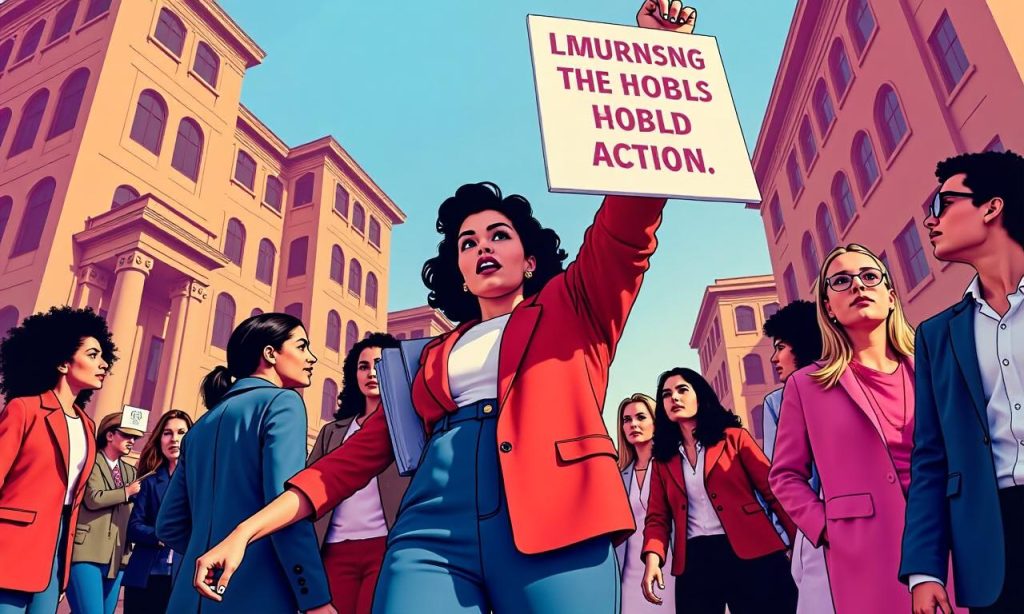
Every year, as the NCAA Men’s Basketball Tournament captivates millions of fans, women’s march madness emerges as a powerful counterpoint to the traditional event. This grassroots initiative, which began as a protest against gender inequality in sports and beyond, has evolved into a global phenomenon that brings together women to demand equal opportunities, recognition, and representation. Unlike the televised basketball tournament, women’s march madness is a movement driven by collective action, uniting activists, athletes, and everyday citizens to challenge systemic barriers and amplify the voices of women. Its significance lies not just in the rallies and marches, but in the ripple effect of solidarity it creates across industries and communities.
The Origins of Women’s March Madness
The roots of women’s march madness trace back to the early 2010s, when a growing frustration with the underrepresentation of women in sports and media sparked a call to action. Initially, it started as a single event, but it quickly gained momentum as more women joined in, creating a wave of protests that transcended local boundaries. These marches became a symbol of resistance against stereotypes, wage gaps, and institutional sexism, proving that collective action could shift the narrative. The phrase “March Madness” itself reflects the intensity and urgency of the movement, mirroring the frenzy of the NCAA tournament while highlighting the fervor of women’s advocacy.
The Role of Collective Action in the Movement
Collective action is the heartbeat of women’s march madness, transforming individual grievances into a unified demand for change. By coming together, participants create a visible force that cannot be ignored, whether through large-scale demonstrations or smaller community efforts. This movement thrives on shared goals, from supporting female athletes to advocating for workplace equality, showing that unity amplifies impact. When women unite, they challenge the status quo, pushing for policies and practices that reflect their value and contributions. The strength of women’s march madness lies in its ability to pool resources, voices, and energy to achieve meaningful progress.
Key Events and Milestones
One of the earliest milestones of women’s march madness was the 2017 Women’s March, which took place just weeks after the inauguration of a new U.S. president. While initially focused on political issues, the event expanded to include a broader range of social justice causes, including gender equality in sports. Over the years, women’s march madness has grown to encompass various issues, from pay equity to leadership opportunities for women in traditionally male-dominated fields. Notable events include rallies centered around the Women’s World Cup, college sports championships, and even protests during major awards shows. These moments reinforce the idea that women’s march madness is not just a seasonal event but a continuous effort to drive change.
The Impact of Social Media
Social media has played a crucial role in elevating women’s march madness to a global platform. Hashtags like #WomenMarchMadness and #MarchForEquality have helped spread awareness, mobilize participants, and document the movement’s progress. Online communities and influencers have also amplified the voices of marginalized women, ensuring that the conversation extends beyond physical protests. The digital age has made it easier for people to join, share stories, and stay informed, turning women’s march madness into a 24/7 campaign. This accessibility has allowed the movement to reach new audiences and sustain its momentum across the world.
How to Participate in Women’s March Madness
Participation in women’s march madness is open to everyone, regardless of their background or level of involvement. Individuals can join local events, wear symbolic attire, or simply use social media to raise awareness. For those in sports, the movement has inspired campaigns to support female athletes, such as highlighting their achievements or advocating for better facilities and pay. In workplaces, companies have embraced women’s march madness by hosting internal events or committing to gender equity initiatives. Whether through action or awareness, every contribution helps to build a stronger, more inclusive movement.
The Future of Women’s March Madness
As women’s march madness continues to grow, its future looks promising. With more women stepping into leadership roles and increasing public support for gender equality, the movement is gaining traction in both sports and social spheres. It has also inspired similar initiatives in other countries, proving that the power of collective action is universal. The next phase of women’s march madness will likely focus on long-term policy changes and sustaining momentum beyond single events. By building on past successes, the movement can pave the way for a more equitable world, one march at a time.
The Intersection of Sports and Social Justice
Women’s march madness has become a powerful intersection of sports and social justice, demonstrating how athletic achievements can be paired with advocacy for equal rights. The movement often coincides with major women’s sports events, such as the WNBA Finals or the FIFA Women’s World Cup, using these moments to spotlight the struggles women face beyond the court or field. Athletes, fans, and organizations have embraced the idea of using sports as a platform to drive change, creating a synergy between competition and activism. This dual focus ensures that women’s march madness remains relevant and dynamic, addressing both immediate and long-term societal challenges.
Building a Lasting Legacy of Change
The true power of women’s march madness lies in its ability to create lasting change. Unlike one-time protests, the movement has cultivated a culture of ongoing advocacy, encouraging people to remain engaged year-round. By linking sports to social justice, it has also helped to redefine the role of women in public life, showing that they can be both athletes and leaders. This shift in perspective has led to increased funding for women’s sports, better media coverage, and more opportunities for female athletes to thrive. The legacy of women’s march madness is a testament to the strength of collective action, proving that even small efforts can lead to significant progress.
The Broader Implications for Society
Beyond sports, women’s march madness has sparked broader conversations about gender equality in all aspects of life. It has encouraged workplaces, governments, and educational institutions to address disparities and implement reforms. The movement has also inspired new generations of activists to take up the cause, ensuring that the fight for equality is not confined to a single event. By connecting personal experiences with larger societal issues, women’s march madness has become a catalyst for change, proving that collective action can lead to transformative outcomes.
The Power of Unity in Action
Unity is the cornerstone of women’s march madness, and it has proven to be a formidable force. When women come together, they create a network of support that extends beyond the immediate goals of any single rally or protest. This collective energy has led to tangible results, such as increased representation in leadership roles, better pay for female athletes, and stronger advocacy for women’s rights. The movement has also demonstrated that even in the face of opposition, the power of unity can drive change and inspire others to join the cause. As more people recognize the importance of women’s march madness, its influence is likely to grow, creating a ripple effect of progress.
A Call to Action for All
Women’s march madness is more than just a series of events; it is a call to action for all who believe in equality. Whether through participation in marches, supporting women-led initiatives, or simply raising awareness, everyone has a role to play. The movement has shown that when individuals unite, they can create a powerful force for change that resonates far beyond the sports arena. As the world continues to evolve, women’s march madness stands as a reminder that collective action is key to achieving lasting progress. Its continued success depends on the active involvement of people from all walks of life, ensuring that the fight for gender equality remains a shared priority.
The Unstoppable Force of Women’s March Madness
The momentum of women’s march madness has only strengthened over time, proving that the movement is not just a fleeting trend but a sustained effort for equity. It has challenged stereotypes, inspired new leaders, and pushed for systemic reforms that benefit women in all areas of society. The movement’s ability to adapt and evolve has allowed it to remain relevant, addressing emerging issues while honoring its core mission. As more individuals and organizations recognize the importance of women’s march madness, its impact is set to grow, ensuring that the fight for gender equality continues to gain ground.
Frequently Asked Questions
Q: What is women’s march madness? A: Women’s march madness is a global movement that unites women to advocate for gender equality, using sports events as a platform to raise awareness and demand change.
Q: How did women’s march madness start? A: It originated in the early 2010s as a response to gender inequality in sports and society, evolving into a powerful collective action initiative.
Q: Can men participate in women’s march madness? A: Yes, men are encouraged to join and support the movement, as gender equality benefits everyone.
Q: What are the main goals of women’s march madness? A: The movement aims to address issues like pay equity, representation in leadership, and systemic sexism across all sectors.
Q: How can I get involved in women’s march madness? A: You can participate in local events, use social media to spread the message, or support women-led initiatives in your community.