
Rubio says operation in Iran is ‘over,’ nuclear material ‘has to be addressed’
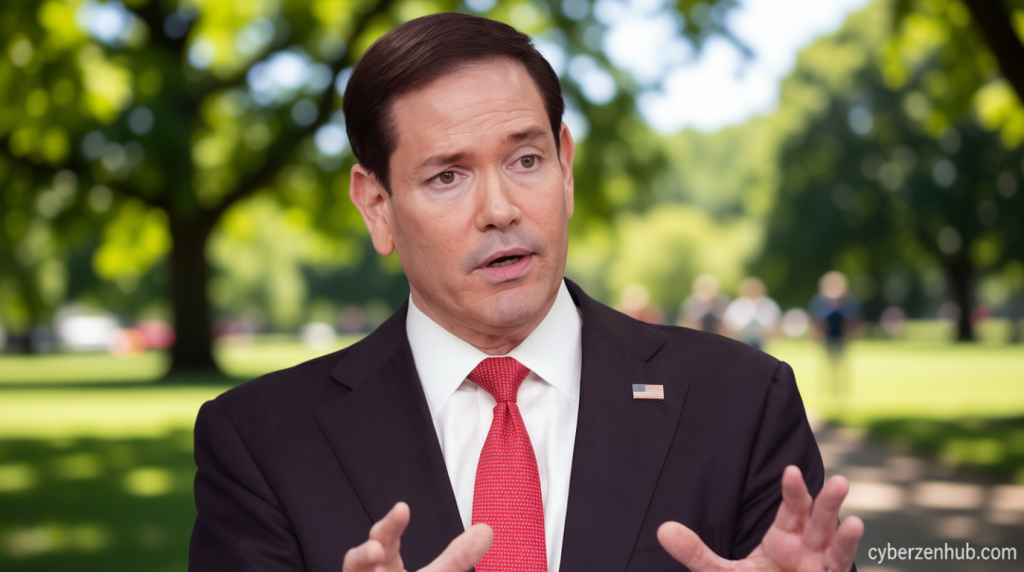
Rubio Announces End to Operation Epic Fury, Shifts Focus to Project Freedom
Rubio says operation in Iran is over – During his debut in the White House briefing room, Secretary of State Marco Rubio confirmed the completion of Operation Epic Fury in Iran, signaling a transition to a new initiative dubbed “Project Freedom.” The U.S. administration has redirected its attention to ensuring the unimpeded flow of maritime traffic through the Strait of Hormuz, a critical chokepoint for global oil supplies. This strategic pivot follows a 10-week military campaign aimed at disrupting Iran’s nuclear ambitions, though the exact status of its nuclear materials remains a point of debate.
Progress on Nuclear Objectives?
When pressed by ABC News about whether the administration has made strides in eliminating Iran’s nuclear material, Rubio emphasized the operation’s military successes over its diplomatic implications. “Their ability to build a shield behind which they could hide their nuclear program was wiped out. That’s a very substantial achievement,” he stated, underscoring the operation’s primary goal of dismantling Iran’s covert nuclear infrastructure. “And that was the purpose of this operation from Day 1,” he added, highlighting the operation’s focus on strategic deterrence.
“Operation Epic Fury is concluded,” Rubio declared. “We achieved the objectives of that operation.”
The secretary’s remarks contrasted with earlier statements from President Donald Trump, who had framed the conflict as a broader effort to eliminate Iran’s nuclear capabilities. While Rubio acknowledged the importance of nuclear material removal, he refrained from confirming it as a definitive outcome. Instead, he framed it as an ongoing discussion, noting, “I don’t know about— I think you’re linking it. The operation is over. Epic Fury is— the president notified Congress, we’re done with that stage of it, OK.”
Strategic Shift and Diplomatic Ambitions
With Operation Epic Fury officially complete, Rubio outlined the next phase of U.S. policy, emphasizing a transition toward diplomatic solutions. “We’re now on to this project of freedom,” he said, positioning the initiative as a pathway to peace. The secretary suggested that the administration’s preference is for a comprehensive agreement, stating, “The president would prefer to sit down and work out a memorandum of understanding for future negotiations that touches on all the key topics that have to be addressed; a full opening of the strait so the world can get back to normal.”
Despite this optimism, Rubio admitted that diplomatic talks have stalled, with Iran yet to return to the negotiation table. He credited Trump’s top advisors, Steve Witkoff and Jared Kushner, for their persistent efforts to revive discussions. “Steve and Jared are working on that very hard,” he said, acknowledging the challenges in persuading Tehran to engage. “But Iran must accept the reality of the situation and come to the negotiation table and accept terms that are good for them, but ultimately good for the world,” he added, underscoring the administration’s dual focus on Iranian interests and global security.
Trump’s Tone vs. Rubio’s Strategy
Rubio’s measured approach stood in contrast to Trump’s more confrontational rhetoric. While the president had previously threatened further military action against Iran, the secretary downplayed the likelihood of renewed hostilities. “We would prefer the path of peace,” he said, suggesting that the administration is prioritizing diplomatic over military outcomes. However, he left open the possibility of future action, stating, “If there’s a real diplomatic path and we continue to explore it, Steve and Jared are working on that very hard.”
The shift in tone reflects broader differences in strategy between the two officials. Rubio framed the operation as a success, even if it fell short of fully removing Iran’s nuclear stockpile. Meanwhile, Trump had previously hinted at the need for continued pressure, with his social media posts indicating that “Representatives are having very positive discussions with the Country of Iran, and that these discussions could lead to something very positive for all.” Yet Rubio’s comments suggest that these talks are not yet underway, and more groundwork is required.
Analysts note that the administration’s focus has evolved from direct confrontation to a more nuanced approach. While the removal of nuclear material remains a key objective, Rubio’s emphasis on military outcomes highlights the administration’s progress in weakening Iran’s strategic position. “Their ability to build a shield… was wiped out,” he reiterated, pointing to the operation’s impact on Iran’s capacity to conceal its nuclear program. This development, though significant, may not fully satisfy Trump’s goals, which include a complete dismantling of Iran’s nuclear infrastructure.
Strait of Hormuz and Global Implications
A central component of the operation’s aftermath is the restoration of traffic through the Strait of Hormuz, a vital artery for international trade. Rubio acknowledged the importance of this effort, stating that the U.S. is now prioritizing the “full opening of the strait” as a step toward normalcy. The strategic value of the strait, which sees over 20% of the world’s oil exports, has made it a focal point of both military and diplomatic strategies. By ensuring its accessibility, the administration aims to stabilize regional dynamics and reduce tensions that could threaten global energy markets.
Yet, the success of this initiative depends on Iran’s willingness to cooperate. Rubio’s remarks imply that the country’s leadership has not yet embraced the terms of the current agreement. “If there is one there, it could be one that leads them to reconstruction, to prosperity, and to stability, and to not posing a threat to the world,” he said, outlining the potential benefits of a negotiated settlement. This vision of a stable Iran aligns with the broader objective of preventing nuclear proliferation, though the path to achieving it remains uncertain.
Rubio’s statements also reflect a strategic repositioning of the U.S. role in the region. While the operation was a military success, the emphasis on diplomacy signals a shift toward long-term engagement. “We’re not cheering for an additional situation to occur,” he noted, expressing a preference for peace. This perspective contrasts with Trump’s more aggressive stance, which often prioritized immediate action over prolonged negotiations. The secretary’s comments, however, suggest a pragmatic approach, acknowledging the need for both military and diplomatic efforts to achieve lasting results.
Context and Broader Implications
Operation Epic Fury, launched in early 2026, targeted Iran’s military assets and infrastructure in a bid to cripple its nuclear program. The operation’s conclusion marks a pivotal moment in the conflict, with the administration now turning its attention to securing a diplomatic resolution. Rubio’s focus on Project Freedom underscores the desire to move beyond immediate hostilities and establish a framework for sustained cooperation.
While the operation’s military achievements are clear, the question of nuclear material removal remains unresolved. The administration’s primary goal, as articulated by Trump, has been to prevent Iran from acquiring a nuclear weapon. However, Rubio’s response indicates that the current phase of the campaign has primarily disrupted Iran’s ability to conceal its nuclear activities, rather than eliminating the materials themselves. “The operation is over,” he said, leaving the final stages of nuclear material removal to future diplomatic efforts.
The next steps will likely involve negotiations to formalize the terms of the current agreement. Rubio’s acknowledgment that talks have stalled highlights the challenges in reaching a consensus. Yet, his confidence in the ongoing work of Witkoff and Kushner suggests that the administration remains committed to finding a resolution. “If there’s a real diplomatic path,” he said, “it could be one that leads them to reconstruction, prosperity, and stability.”
As the U.S. transitions from military action to diplomacy, the focus will remain on balancing Iran’s national interests with global security concerns. Rubio’s statements emphasize the importance of this balance, positioning Project Freedom as a bridge to a more stable and cooperative relationship with Iran. The administration’s success in achieving this goal will depend on Iran’s willingness to accept the terms of the agreement and commit to a future of non-threatening behavior on the world stage.
With the operation officially concluded, the next phase of U.S. strategy will test the administration’s ability to maintain momentum. While Rubio’s remarks underscore progress, they also hint at the complexities ahead. The removal of nuclear material, though a critical objective, may require further negotiation, and the administration’s patience will be key in ensuring a lasting solution.