Blanche Confirms Anti-Weaponization Fund Remains Closed, Points to Alternative Compensation Paths
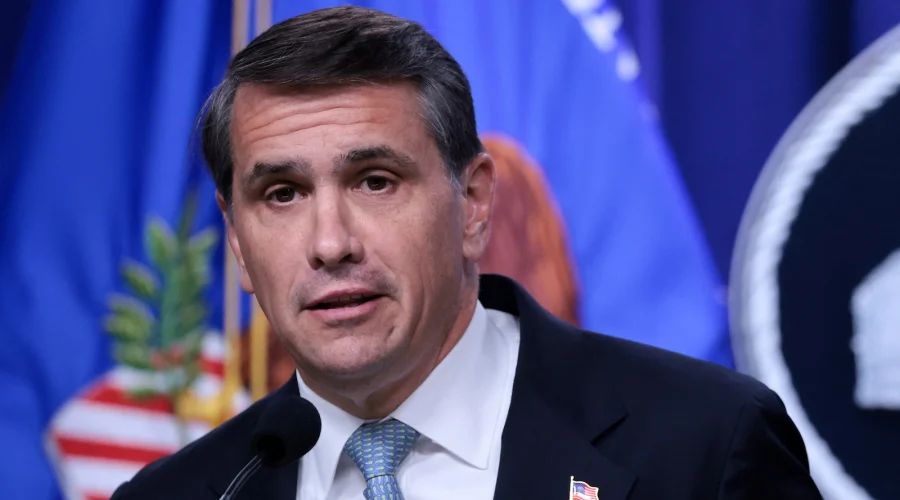
Cyberzenhub.com – Attorney General Todd Blanche delivered a firm message during his inaugural press conference following his narrow confirmation: the Justice Department’s Anti-Weaponization Fund will not be resurrected. However, the newly confirmed AG left the door open for alternative mechanisms to compensate individuals who claim they were unfairly targeted during the Biden administration.
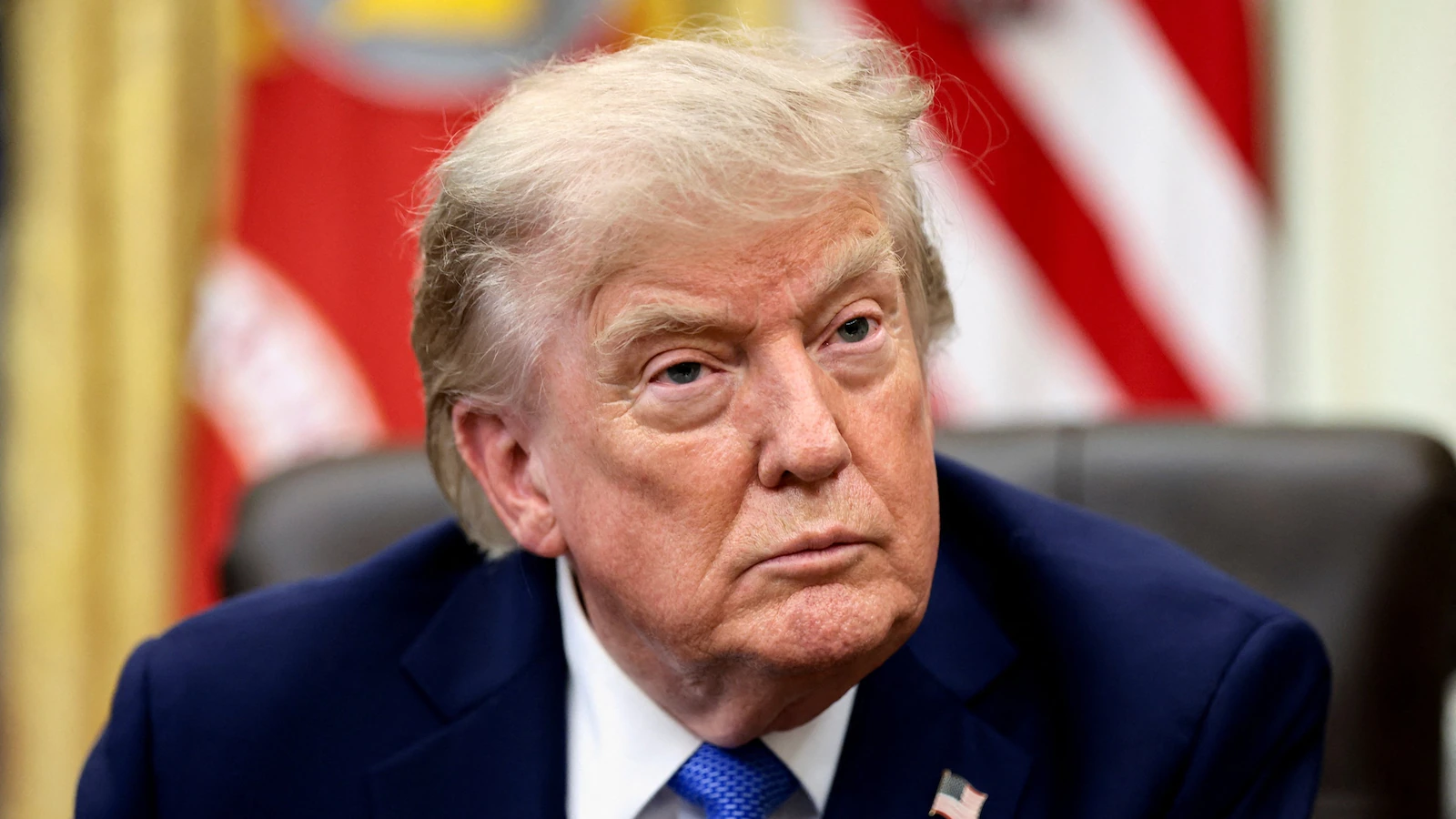
The Wednesday press conference, which primarily addressed a separate criminal fraud case involving the Jalisco New Generation Cartel, provided Blanche with an opportunity to clarify his position on the controversial fund. His remarks came shortly after President Donald Trump indicated in the Oval Office that the decision regarding the fund’s future would ultimately rest with Blanche.
A Fund Born from Political Compromise
The $1.776 billion Anti-Weaponization Fund was originally announced by the Justice Department in May as a compensation vehicle for those alleging wrongful targeting under the previous administration. The fund’s creation was tied to a broader political settlement involving President Trump’s legal battles.
Specifically, the fund was proposed as part of an agreement in which Trump would withdraw his $10 billion lawsuit against the Internal Revenue Service, along with two additional civil claims totaling $230 million. These civil claims stemmed from the Russia collusion investigation that pursued Trump during his first term in office, as well as a 2022 search of his Mar-a-Lago estate that generated significant public attention.
The arrangement sparked immediate criticism from opponents who characterized it as self-dealing. Critics raised concerns about the potential use of taxpayer dollars to compensate individuals who participated in the January 6, 2021, attack on the U.S. Capitol, further fueling bipartisan unease about the fund’s purpose and beneficiaries.
Blanche’s Unwavering Position
Before his confirmation, Blanche had already signaled his stance through a written order declaring the fund dead. This declaration came under considerable pressure from two Republican senators whose support for Blanche’s nomination was contingent upon his commitment to closing the fund.
During Wednesday’s press conference, Blanche emphasized the consistency of his position across multiple venues and formats.
“I keep on saying this over and over again, but I’m happy to say it one more time,” Blanche told reporters. “I have testified under oath that it’s dead. I have testified in front of the House where I wasn’t under oath where I said it was dead. I have answered questions after my hearing where I said that it was dead, I have rescinded the order that that set up the weaponization fund, which means that it does not exist.”
Blanche expressed confidence that his message had been clear, noting that he had exhausted conventional ways of communicating the fund’s status.
“I’m not sure how I can further say that the anti-weaponization fund doesn’t exist, or we use the word ‘dead,'” he added. “But if anybody has any ideas, we also have said under oath that if Congress would like to make it a law, that we would support that, as would the White House.”
Alternative Routes for Compensation
While ruling out revival of the specific fund, Blanche indicated that the Justice Department would remain open to other methods of compensating those who consider themselves victims of what he described as a “weaponized” Department of Justice. This position aligns with President Trump’s repeated statements that he wants to see these individuals made whole, just not through the original fund structure.
“The president feels very strongly, as do I, that there were people who were victims of a Department of Justice that was absolutely weaponized, and he feels very strongly that that he would want to — to make them whole, as do I, but it will not be through the Anti-Weaponization Fund,” Blanche explained.
Broader Implications
Blanche’s firm stance on the Anti-Weaponization Fund represents more than a simple administrative decision. It signals a broader approach to how the Justice Department will handle claims of political targeting under the new administration. By keeping the fund closed while leaving room for congressional action or alternative compensation mechanisms, Blanche has positioned the department to address these concerns without committing to the original framework.
The situation also highlights the ongoing tension between political accountability and institutional continuity within the Justice Department. As Blanche settles into his role, his handling of the fund and similar issues will likely shape how the department navigates claims from both sides of the political spectrum.
For now, the Anti-Weaponization Fund remains in limbo—officially dead, but potentially subject to transformation through legislative action or new administrative approaches that could emerge as the Trump administration’s policies take further shape.
Related Reading
Frequently Asked Questions
What is Blanche newly confirmed as AG says?
Blanche newly confirmed as AG says is the main topic of this guide. The article explains the context, practical details, and next steps readers should understand.
Why does Blanche newly confirmed as AG says matter?
Blanche newly confirmed as AG says matters because readers are looking for a useful answer, not just a short summary. Good content should match search intent and help them decide what to do next.