Presidential Helicopter Safety Review Underway After Near-Miss at DCA Airport
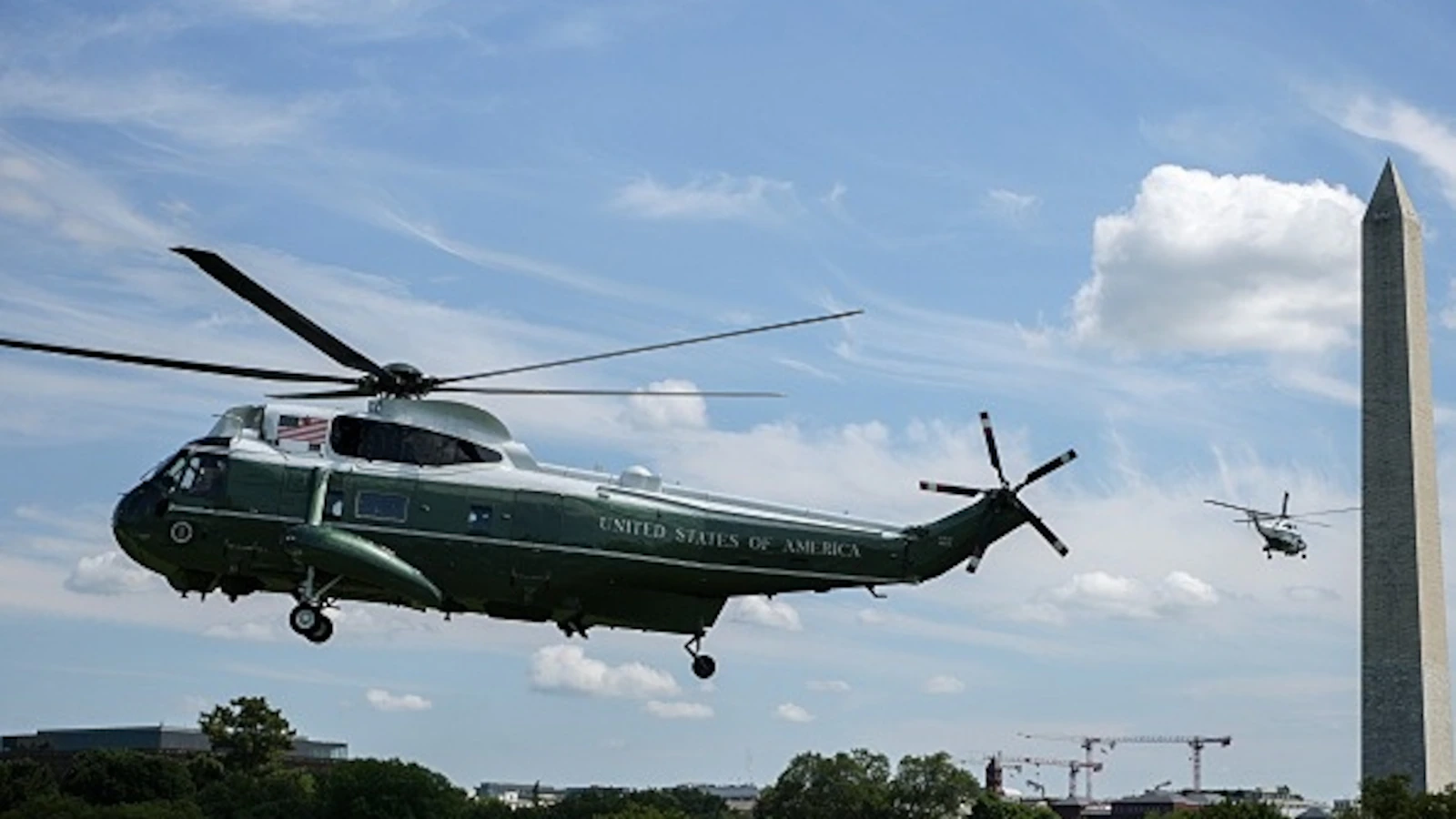
Cyberzenhub.com – Federal aviation authorities have launched a comprehensive investigation into a safety incident involving the presidential helicopter, Marine One, which occurred while President Donald Trump was aboard. The National Transportation Safety Board joined aviation officials in examining what happened during the helicopter’s departure from Washington, D.C. this week.
The event unfolded approximately at 2:30 p.m. Eastern Time on Tuesday when Marine One began its ascent from the Ellipse, a grassy area situated near the White House grounds. The presidential helicopter was en route to Joint Base Andrews in Maryland, marking the initial segment of the president’s journey to the West Coast. A statement issued by the Federal Aviation Administration confirmed the timeline and circumstances of the departure.
Protocol Breach During Takeoff
What distinguished this incident from routine presidential helicopter operations was a failure in standard air traffic management procedures. As Marine One prepared for departure, commercial aircraft at the nearby Ronald Reagan Washington National Airport continued their normal operations instead of being halted as safety protocols dictate.
The established procedure requires air traffic controllers to suspend all other air traffic three minutes prior to Marine One’s scheduled takeoff. This precaution ensures the presidential helicopter has an unobstructed path during its critical departure phase. According to an air traffic communication recording obtained by ATC.com, Marine One’s crew transmitted a three-minute warning to controllers, indicating their intention to depart. However, a controller failed to receive this transmission because another party was simultaneously speaking on the same frequency.
Marine One flights are piloted by some of the best aviators in the world, and at no point was the President in harm’s way.
The White House issued a statement on Wednesday addressing public concerns about the incident. Administration officials emphasized that the president’s safety remained uncompromised throughout the event, noting that Marine One’s experienced pilots maintained full control of the situation.
Momentary Loss of Separation
The FAA released preliminary findings indicating that the protocol breach resulted in what the agency described as a “momentary loss of separation” between Marine One and an American Airlines regional carrier flight. Both aircraft were departing from the airport area simultaneously when the incident occurred.
FAA regulations mandate that commercial aircraft maintain specific minimum distances from helicopters operating in the vicinity of DCA. These requirements include a horizontal separation of at least 1.5 miles and a vertical separation of 500 feet. The agency confirmed that despite the momentary loss of separation, the American Airlines flight never approached Marine One to a dangerous degree.
The Wall Street Journal initially brought attention to the incident on Tuesday evening, prompting further investigation by federal authorities. An FAA statement elaborated on the sequence of events: “Based on our preliminary safety review, there was momentary loss of separation after which the aircraft continued to move away from one another.” The agency noted that the air traffic controller maintained communication with both the commercial pilot and the Marine One pilot throughout the episode.
Investigation and Future Actions
The National Transportation Safety Board has joined the FAA in reviewing the incident to determine whether any systemic issues contributed to the protocol failure. Investigators are examining multiple factors, including the communication breakdown that prevented the controller from hearing Marine One’s departure notice, as well as the timing of the air traffic suspension.
The FAA announced that it will implement appropriate corrective measures based on its findings. These could range from additional training for air traffic controllers to modifications in the communication protocols governing Marine One operations. The investigation may also consider whether technological improvements could help prevent similar incidents in the future.
Marine One operations represent one of the most heavily regulated aspects of presidential air travel. The helicopter fleet, consisting of specialized Sikorsky VH-3D Sea King and VH-60N Black Hawk aircraft, carries the president on domestic and international missions. Each departure and arrival follows strict procedures designed to ensure maximum safety for the commander-in-chief and the crew.
The incident has drawn attention to the complex coordination required when managing air traffic around one of the busiest airports in the United States. DCA handles thousands of flights daily, and ensuring that presidential helicopter operations receive priority treatment requires precise timing and clear communication among all parties involved.
As the investigation continues, federal officials are working to determine whether this was an isolated incident or indicative of broader procedural challenges. The outcome of the review could lead to significant changes in how Marine One departures are managed, potentially affecting not only presidential travel but also other high-priority helicopter operations in the Washington, D.C. airspace.
Related Reading
Frequently Asked Questions
What is Federal officials investigating Marine One safety?
Federal officials investigating Marine One safety is the main topic of this guide. The article explains the context, practical details, and next steps readers should understand.
Why does Federal officials investigating Marine One safety matter?
Federal officials investigating Marine One safety matters because readers are looking for a useful answer, not just a short summary. Good content should match search intent and help them decide what to do next.