Cornell Hearing Offers Conflicting Accounts of Alleged 2024 Fraternity Assault
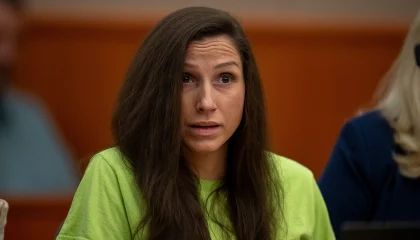
Cyberzenhub.com – A former Cornell University student identified as Jane Doe described an October 2024 night at the Chi Phi fraternity house as an experience in which she was assaulted, manipulated and unable to understand the full scope of what had occurred. More than seven months after making her report, she addressed a university hearing panel by teleconference on May 29, 2025, urging members to remove from campus the men she said attacked her.
“I was prostituted, and I was held up like bait for a gaggle of men, and I didn’t even know it was happening,” Jane Doe told the panel.
Jane Doe alleged that eight to 10 fraternity brothers raped her. Seven men accused in connection with the incident have denied wrongdoing. Their statements to the panel presented sharply different descriptions of the evening, with some maintaining that sexual activity was consensual and others saying they were present at points during the night but did not participate in drug use or sexual acts.
Jane Doe Describes Fractured Memories
In her testimony, Jane Doe said she was still trying to piece together the events of that night. She had previously told police that she was intoxicated after attending another event before arriving at the fraternity house. She also alleged that people there pressured her to drink alcohol and use ketamine.
“I remember being coerced into using ketamine. I remember several respondents running a train on me, many different times. And I remember a dark room with shadows of men in and out constantly, and I remember feeling like there was a joke and I was not in on it,” she said.
Her account underscored the difficulty that can arise in investigations involving intoxication, trauma and incomplete recollection. Jane Doe told the panel that she did not expect to recover every detail of the night, but said the gaps in her memory did not lessen her belief that she had been harmed.
“I will never know everything that happened to me, and I know I’ve said that a lot,” she said.
She asked the panel to consider the effect its decision could have on the campus community. Her plea focused on what she viewed as the need for a safer environment for other students, as well as accountability for the men she identified.
Respondents Reject Allegations
The men accused by Jane Doe disputed her characterization of the encounter. One said that both parties may regret the night, but argued that regret should not be equated with sexual assault or sexual exploitation.
“The truth is that [Jane] may have regrets about that night, as do I, but those regrets do not amount to sexual assault or sexual exploitation,” one respondent said.
Other respondents sought to distance themselves from key allegations. Some stated that they entered the room but did not take part in any sexual conduct or drug use. One Chi Phi member offered a concise distinction between being nearby and being involved.
“I was in the room where it happened that night, but not when it happened,” he said.
The divergent testimony formed the core challenge for the university proceeding: assessing accounts from people who remembered the night in profoundly different ways. The hearing extended over 12 days and was conducted privately as part of Cornell’s Title IX process.
Why Initial Communications Became an Issue
Jane Doe also addressed why some of her early messages and interactions with the men could appear cordial. She told the panel that, in the weeks after the event, she struggled to accept that something traumatic may have happened. Her approach, she said, reflected her tendency to be considerate and empathetic rather than proof that she viewed the encounter as consensual.
“I’m open-minded, and thoughtful, and empathetic,” she said. “But for two or three weeks following the event, those qualities protected the [men]. I didn’t want to believe something terrible could happen to me.”
A friend who testified supported that explanation, saying Jane Doe initially appeared to be in shock and was trying to make sense of the situation. The friend described her as someone attempting to smooth over a troubling experience before fully processing it.
“I believe personally that she was such in shock that she was just trying to make everything okay and maybe kind of a people pleaser at that point,” the friend said.
Such testimony is significant because post-incident behavior often becomes a point of dispute in campus misconduct cases. A person’s immediate reaction may be shaped by confusion, fear, trauma, alcohol or drug use, and concern about how others will respond. Those factors can complicate both institutional reviews and criminal investigations.
Separate University and Criminal Processes
The allegations are also the subject of a criminal investigation. The Cornell Title IX review proceeded behind closed doors, while prosecutors in Tompkins County had earlier declined to bring charges. Cornell Police offered results from its own investigation to the local district attorney’s office, but the office declined to review them.
Campus Title IX proceedings and criminal cases serve different functions. A university process can determine whether conduct violated school policy and whether disciplinary action is warranted. A criminal case concerns possible violations of law and is evaluated under a separate legal standard. As a result, movement in one process does not necessarily determine the outcome of the other.
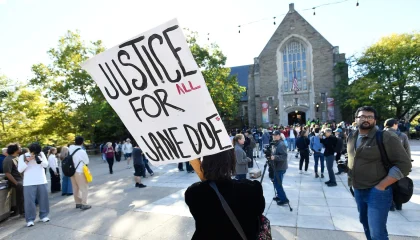
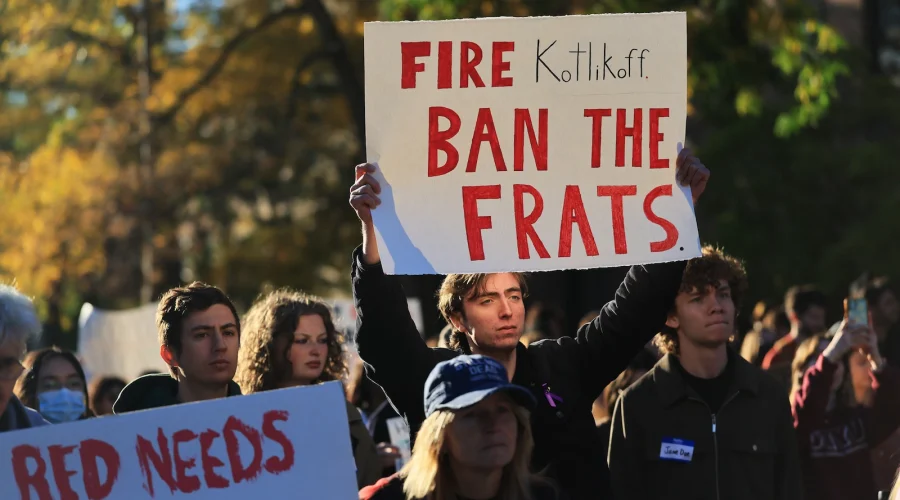
The case has prompted wider discussion at Cornell and beyond about sexual-assault reporting, fraternity culture, student safety and how colleges handle allegations involving multiple people. Hundreds of Cornell students joined a rally in Ithaca on October 5, 2026, calling attention to the university’s response after the alleged fraternity assault.
For Jane Doe, the hearing was an opportunity to tell the panel that she believed the incident had changed her life. For the men accused, it was a forum to deny responsibility and challenge her account. The opposing narratives leave the university facing a difficult decision with consequences for the people directly involved and for the broader campus community.
Related Reading
Frequently Asked Questions
What is What Jane Doe told Cornell hearing?
What Jane Doe told Cornell hearing is the main topic of this guide. The article explains the context, practical details, and next steps readers should understand.
Why does What Jane Doe told Cornell hearing matter?
What Jane Doe told Cornell hearing matters because readers are looking for a useful answer, not just a short summary. Good content should match search intent and help them decide what to do next.