Cornell Begins Independent Review of Sexual Misconduct Response
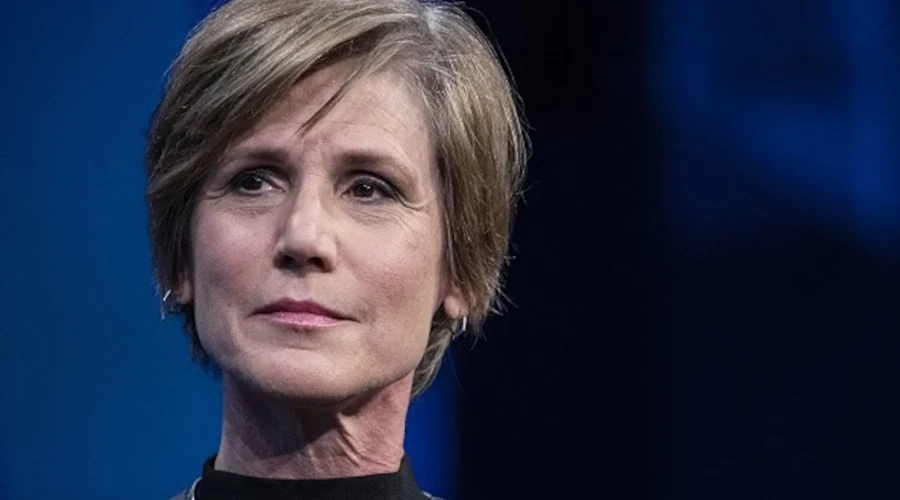
Cyberzenhub.com – Cornell University has retained former U.S. Deputy Attorney General Sally Q. Yates to conduct an independent review of the institution’s approach to sexual harassment, sexual assault, and related misconduct.
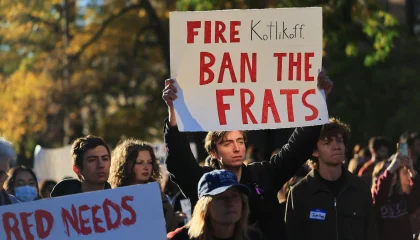
The announcement comes amid allegations involving an alleged gang rape at a fraternity house. Cornell said the review will examine how the university works to prevent misconduct and how it responds when allegations are raised on campus.
Focus of the Review
The university described the planned inquiry as comprehensive and independent. Its stated scope centers on policies, procedures, practices, and institutional responses connected to sexual harassment, sexual assault, and related forms of misconduct.
“comprehensive independent review”
The review places attention on two closely connected responsibilities for colleges and universities: reducing the risk of harm before it occurs and responding appropriately after a report or allegation is made. Prevention can involve education, expectations for student organizations, reporting options, and campus culture. Response involves the processes available to people who come forward, the handling of allegations, and the support and accountability systems that follow.
Cornell’s decision to bring in Yates signals that the university is seeking an outside assessment rather than relying solely on an internal evaluation. An independent review can examine whether existing systems are clear, accessible, and consistent, while also identifying areas that may require change.
Why the Announcement Matters
Allegations of sexual violence can have profound consequences for survivors, students, campus organizations, and the wider university community. They also raise urgent questions about whether reporting pathways are understandable, whether people feel able to seek help, and whether institutional procedures are equipped to address serious claims fairly and effectively.
For students and families, a review of this kind may be especially relevant because campus safety policies often affect daily life well beyond a single incident. Residence halls, social events, student groups, Greek-life organizations, academic spaces, and support services can all be part of the broader environment in which prevention and response efforts operate.
The announcement does not itself resolve the allegations that prompted heightened scrutiny. Instead, it establishes a process intended to evaluate Cornell’s broader handling of sexual harassment, sexual assault, and related misconduct. The distinction is important: an institutional review can assess systems and practices while separate procedures may address specific allegations.
Sally Yates’ Role
Yates previously served as U.S. deputy attorney general. Cornell has selected her to lead the review, putting a former senior federal justice official at the center of the university’s examination of its campus misconduct framework.
Her assignment is expected to focus on how Cornell prevents and responds to the issues identified by the university. Any meaningful review may require close attention to the experience of those who report misconduct, the responsibilities of university officials, and the way policies are understood by students and staff.
Public confidence in such an effort will likely depend on clarity about its scope, findings, and any steps the university takes afterward. A review can provide an opportunity to identify gaps, but its impact will ultimately be measured by whether recommendations lead to practical improvements in safety, support, communication, and accountability.
Questions Facing the Campus Community
As the process moves forward, members of the Cornell community may look for answers about how the review will be conducted, which campus systems will be examined, and how feedback from students and others will be considered. They may also seek clarity on what changes, if any, will follow from the review’s conclusions.
Sexual misconduct policies can be difficult to navigate, particularly during stressful circumstances. Clear information about where to report concerns, how support can be accessed, and what procedures may follow is central to an effective campus response. The same is true of transparent expectations for student organizations and individuals whose conduct falls within university rules.
The university’s statement frames the review broadly, covering not only sexual assault but also sexual harassment and related misconduct. That wider approach recognizes that campus safety and institutional response are not limited to one category of behavior or one setting.
Cornell’s announcement remains part of a developing situation. Further information may clarify the review’s timeline, its methodology, and the actions the university plans to take as the work proceeds.
Related Reading
Frequently Asked Questions
What is Cornell taps former US Deputy Attorney?
Cornell taps former US Deputy Attorney is the main topic of this guide. The article explains the context, practical details, and next steps readers should understand.
Why does Cornell taps former US Deputy Attorney matter?
Cornell taps former US Deputy Attorney matters because readers are looking for a useful answer, not just a short summary. Good content should match search intent and help them decide what to do next.