Speaker Johnson Convenes with Trump to Finalize FISA Reauthorization
Cyberzenhub.com – House Speaker Mike Johnson and President Donald Trump are meeting at the White House on Tuesday as the congressional deadline for reauthorizing Section 702 of the Foreign Intelligence Surveillance Act approaches. This critical session comes amid growing concerns that the selection of Bill Pulte as acting director of national intelligence could stall efforts to renew the controversial surveillance program by the end of day Friday, potentially marking the first time since its creation in 2008 that the law faces a lapse. The issue has become a focal point for bipartisan negotiations, with Democrats in both the House and Senate expressing reservations about Pulte’s suitability for the role.
Pulte’s Appointment Sparks Democratic Pushback
Democrats have raised objections to Pulte’s nomination, arguing that the current acting director of the U.S. Federal Housing Finance Agency lacks the necessary expertise in national intelligence. While Pulte’s appointment was made in the wake of Tulsi Gabbard’s resignation from the position, critics contend that his background in mortgage oversight and investigations into political adversaries may not align with the requirements of the intelligence role. This disagreement has complicated the reauthorization process, which is vital for maintaining the government’s ability to monitor foreign communications without warrants, a key tool for counterterrorism efforts.
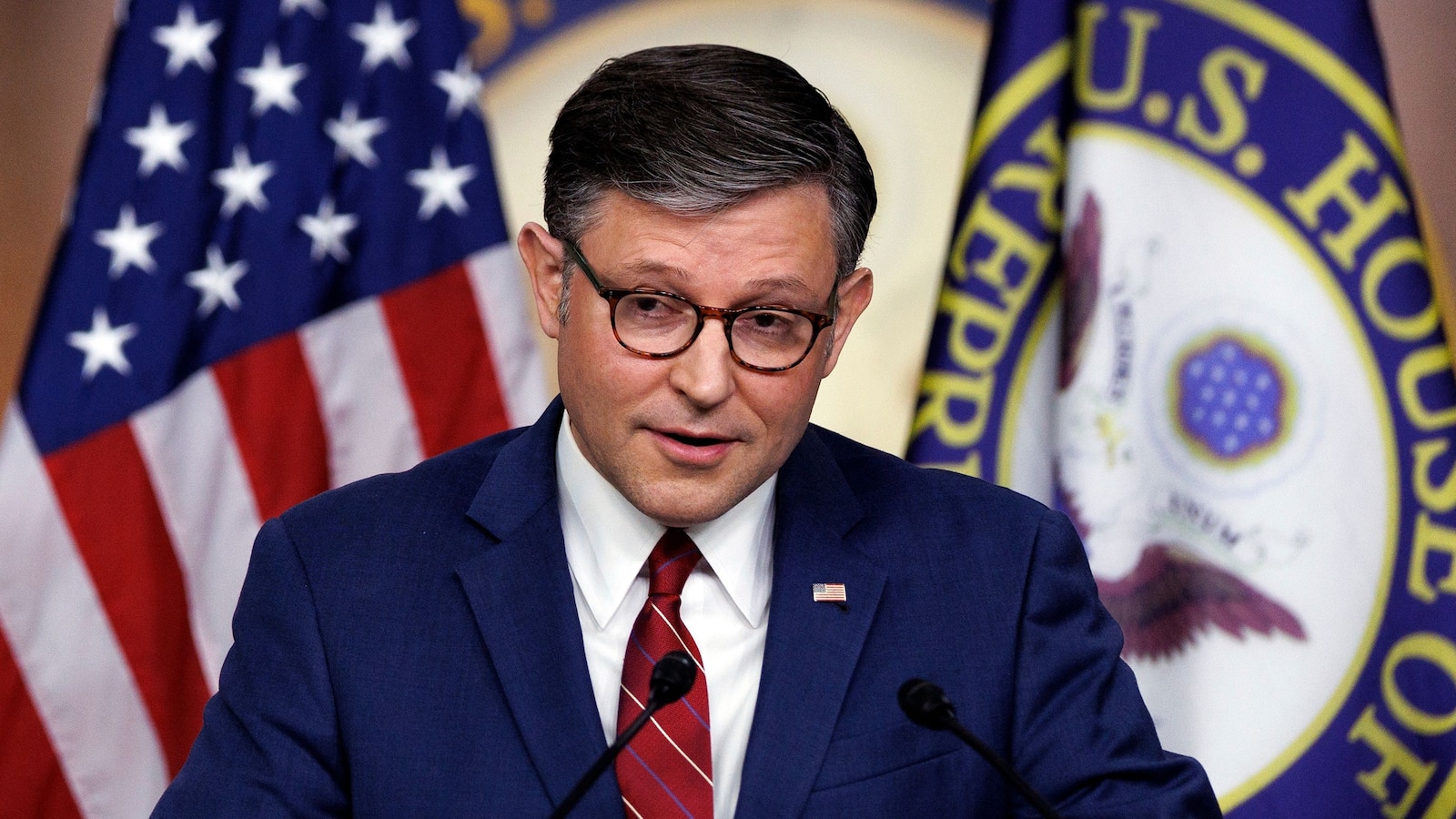
“Is it time for the president to change his mind on Bill Pulte as acting DNI?” ABC News Correspondent Jay O’Brien asked Johnson. “It’s the president’s prerogative,” Johnson replied, as he departed the Capitol, signaling his commitment to the administration’s choice despite external pressures.
Johnson emphasized that the president retains the authority to select any individual for leadership at the Office of the Director of National Intelligence. “I’m going over there right now to visit with him and his team about a number of items,” he added, highlighting the urgency of finalizing the FISA deal. The meeting, he noted, is a pivotal step in addressing the legislative hurdles that have emerged since the House passed its version of the reauthorization in April. However, the Senate has yet to act, with the bipartisan support of at least 60 senators required to move the bill forward.
Senate Leadership Holds Key to FISA’s Future
Senate Majority Leader John Thune stated that he believes the White House is seriously considering naming a permanent director of national intelligence, a move that could resolve the impasse. “I don’t think [it’s] about replacing Pulte,” Thune clarified when asked about potential next steps. “They’re weighing seriously making a long-term pick.” Despite this, the acting status of Pulte’s appointment continues to hinder progress on the Senate floor, as lawmakers debate whether to endorse the compromise bill or pursue an alternative.
Section 702 of FISA, which allows the U.S. government to intercept communications between foreign nationals and Americans without a warrant, has been reauthorized three times since its establishment in 2008. The program’s proponents, including House Majority Leader Steve Scalise, stress its importance in combating terrorism. “FISA has been used time and time again to stop terrorist attacks here on our homeland and prevent threats to American soil,” Scalise said during a press briefing. “That’s a critical, critical tool that we need to renew.”
“We passed FISA reauthorization in the House in April. It’s still sitting over in the Senate. They’re working on another compromise bill,” Johnson told ABC News. “We’ll pass what they send.”
Scalise underscored that the House’s support for the measure remains steadfast, but the Senate’s hesitation has created a bottleneck. The delay raises questions about the program’s sustainability, as its legal framework could expire if Congress fails to reach a consensus. Thune, while not directly engaging with Trump on Pulte’s nomination, acknowledged that the administration’s focus on securing a permanent DNI could influence the Senate’s decision-making process. “I’ve been in contact with somebody over there that cares a lot about this,” he said, hinting at ongoing coordination between the two chambers.
Pulte’s Role in Trump’s Intelligence Strategy
Bill Pulte’s tenure as acting director of national intelligence has drawn attention for his involvement in high-profile investigations targeting perceived political opponents of the Trump administration. These probes, which focus on allegations of mortgage fraud and potential abuses of authority, have included Federal Reserve Governor Lisa Cook, New York Attorney General Letitia James, Democratic Senator Adam Schiff, and former Democratic Representative Eric Swalwell. All of the accused have denied wrongdoing, but the investigations have fueled skepticism about Pulte’s impartiality and qualifications for the intelligence post.
Before his selection as acting DNI, Pulte had been a prominent figure in the Trump administration for his role as head of the Federal Housing Finance Agency. His leadership there was marked by aggressive actions against financial institutions and individuals associated with the Democratic Party, including those linked to the 2016 election. These efforts, while praised by some as a means of holding accountable those who opposed Trump’s policies, have also been criticized as partisan overreach. The Senate’s reluctance to endorse his nomination as DNI reflects concerns that his influence on intelligence operations could overshadow the program’s bipartisan appeal.
Broader Implications for Congressional Collaboration
The FISA reauthorization debate has exposed tensions within Congress, particularly between the House and Senate leadership. Johnson’s insistence on maintaining the president’s choice for DNI highlights the delicate balance between executive authority and legislative oversight. Meanwhile, Democrats argue that Pulte’s lack of experience could undermine the program’s credibility, especially as it continues to face scrutiny from civil liberties advocates and legal experts.
With the clock ticking toward the Friday deadline, both parties are racing to find common ground. The House’s reauthorization bill, which passed in April, has been praised for its bipartisan support, but the Senate’s hesitation has threatened to derail the agreement. Scalise and Johnson have reiterated that the program’s renewal is a priority, yet the dispute over Pulte’s nomination underscores the challenges of maintaining unity in an increasingly polarized Congress. As the White House and Capitol Hill continue their discussions, the fate of Section 702—and the broader implications for U.S. intelligence operations—remains uncertain.
Historical Context and Legislative Challenges
Section 702 has been a cornerstone of the FISA program since its inception in 2008, granting the federal government the power to collect foreign communications without the need for a warrant. This capability has been instrumental in tracking international threats, from terrorist networks to foreign adversaries in the digital age. However, the program has also faced criticism for its potential to infringe on the privacy of American citizens, a concern that has resurfaced in recent debates.
Proponents of the measure argue that its benefits for national security far outweigh its risks, while opponents advocate for stricter oversight mechanisms. The current reauthorization effort, which has been shaped by Pulte’s appointment, now stands at a crossroads. If the Senate fails to act swiftly, the program’s legal framework could lapse, forcing the government to operate under temporary authority or face restrictions on its surveillance capabilities. This scenario would not only impact intelligence operations but also test the resilience of the legislative process in the face of partisan divides.
As the deadline nears, the interplay between the executive and legislative branches remains central to the outcome. Johnson’s willingness to engage with Trump on the issue signals a commitment to resolving the impasse, but the opposition from Democrats highlights the need for compromise. The success of the FISA reauthorization could serve as a barometer for broader legislative cooperation, especially as the nation grapples with evolving security threats and the balance between surveillance and privacy.