Trump Says ‘I Love the Inflation’ Amid Iran War Surge
Cyberzenhub.com – President Donald Trump has publicly expressed approval of the current inflationary environment, stating, “I love the inflation.” This remark follows the release of data indicating the fastest price increases since 2023, fueled by ongoing tensions in the Middle East. The U.S. Bureau of Labor Statistics reported May’s inflation rate climbed to 4.2%, marking the first time it surpassed 4% since the same period in 2023. The surge, which has persisted for three consecutive months, is attributed to the Iran conflict, which has disrupted global energy markets and contributed to rising costs for everyday consumers.
Iran War Escalates Energy Price Pressures
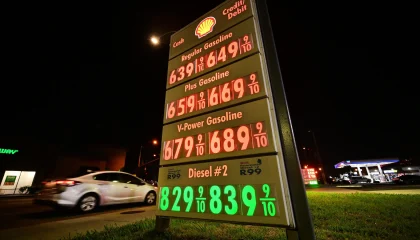
Geopolitical instability in the Middle East has intensified pressure on energy markets, with the Iranian closure of the Strait of Hormuz playing a pivotal role. This critical waterway, responsible for roughly 20% of the world’s oil transit, saw its closure trigger a 23.5% year-over-year spike in energy prices. As of Wednesday, the average cost of a gallon of gasoline reached $4.15, reflecting a $1.17 increase since the war began on February 28. The ongoing conflict has not only strained oil supply chains but also pushed up prices for essential goods, exacerbating the economic challenges faced by households.
President Trump, during a press appearance, reiterated his stance on inflation, declaring, “I love the inflation.” He argued that the current rate, though high, was a sign of economic strength, particularly in the context of the Iran war. “You know what I really love? I love the inflation,” Trump said, emphasizing that the situation would stabilize once the conflict resolved. His comments highlighted a growing divide between his optimism and the concerns of economists and everyday consumers.
Consumer Costs Skyrocket Amid Inflationary Trends
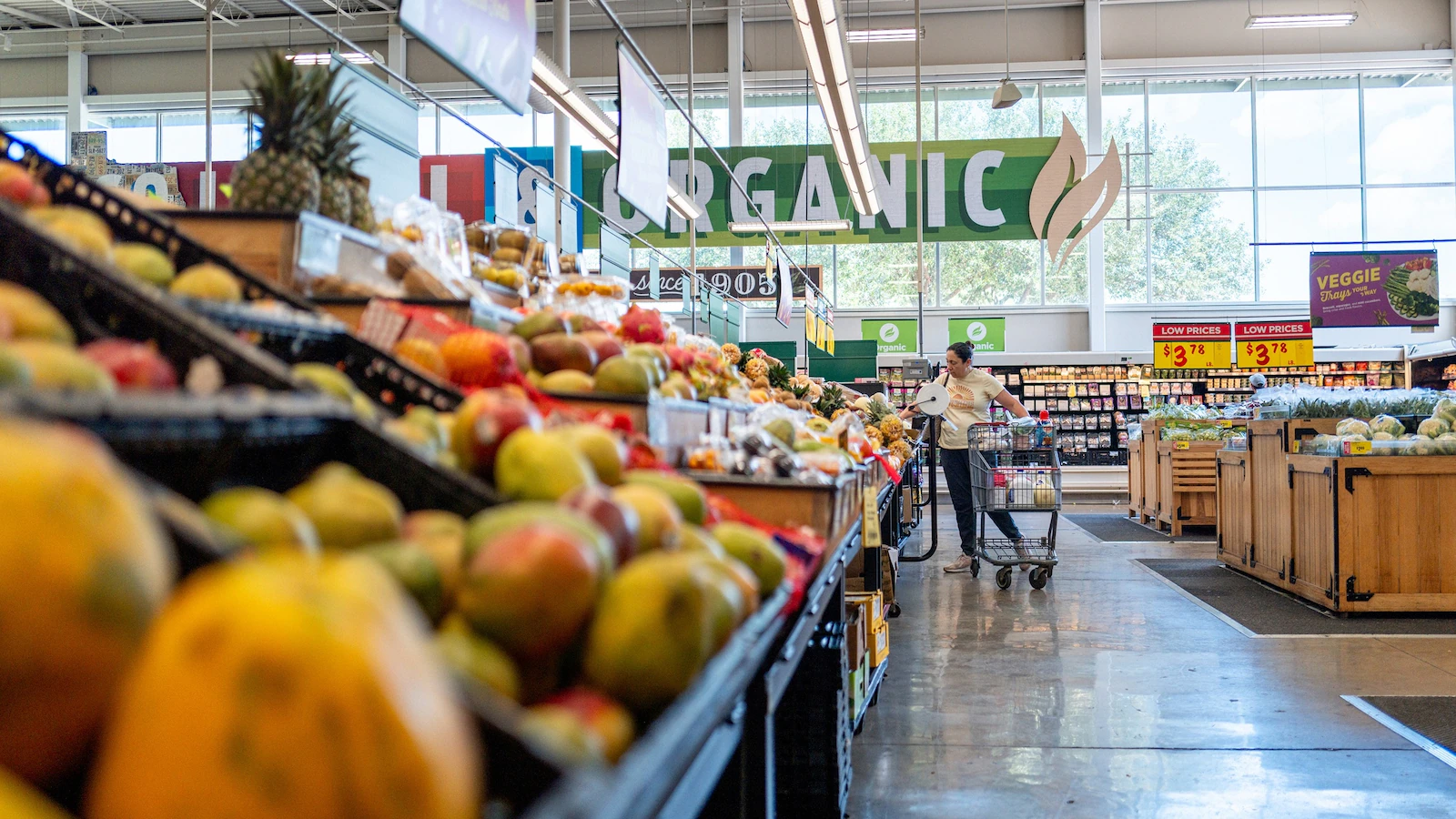
As the Iran war continues, the effects on consumer prices have become increasingly apparent. Essentials such as groceries, fuel, and healthcare have seen significant hikes, with tomato prices rising 32% and seafood and beef climbing 6.5% and nearly 13%, respectively. These surges have sparked widespread frustration, especially among lower- and middle-income families. The White House, however, defended the administration’s policies, citing ongoing affordability improvements in sectors like prescription drugs and vehicles. “Trump says I love the inflation,” a spokesperson noted, underscoring the administration’s confidence in managing the crisis.
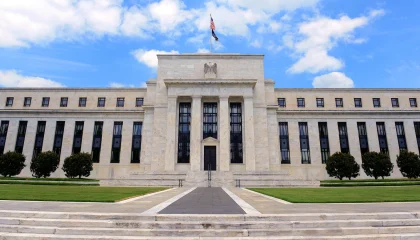
Meanwhile, the Federal Reserve faces mounting pressure to address the persistent inflation. With prices outpacing wage growth for two months straight, the central bank may consider raising interest rates to cool the economy. Such measures, while effective in curbing inflation, could slow consumer spending and impact job creation. Despite these concerns, Trump remains steadfast, asserting that the inflationary trend is a temporary disruption that will resolve as the Iran conflict stabilizes.
Consumer Confidence Dips to Decades-Low
The latest inflation data has coincided with a historic drop in consumer confidence, according to a University of Michigan survey dating back to 1952. May’s results marked the lowest shopper sentiment in decades, as rising costs for food, gasoline, and medical care left many households struggling to balance their budgets. “The latest price data spells more bad news for shoppers,” a survey representative explained, highlighting the anxiety felt at checkout counters. This erosion of confidence threatens to further dampen economic activity and compound the effects of inflation.
Additionally, the surge in diesel prices has had a cascading effect on the food supply chain. With diesel serving as a key fuel source for transportation, its steep increase has driven up the cost of perishable goods. This has led to higher grocery bills, adding to the financial strain on families. As Trump says I love the inflation, critics argue that the economic impact on everyday consumers is becoming more severe, particularly for those in the most vulnerable income brackets.
Long-Term Economic Challenges Loom
While Trump remains optimistic, economists warn that sustained inflation could have long-term consequences for the U.S. economy. Joseph Brusuelas, a chief economist at RSM, noted that declining real wages—adjusted for inflation—are eroding the purchasing power of working families. “This trend may erode the ability of middle- and lower-income households to afford basic necessities,” Brusuelas stated. The administration’s affordability agenda, though praised for certain sectors, may not be sufficient to counterbalance the broader cost-of-living crisis.
As the Iran war continues, the interplay between global conflicts and domestic economic conditions remains a key focus. The inflationary pressures, combined with energy price volatility, are reshaping consumer behavior and prompting calls for policy adjustments. With Trump says I love the inflation, the debate over whether rising prices are a sign of economic vitality or a growing crisis is far from over. The coming months will likely determine the long-term impact of this dual challenge on American households and businesses.