Melania Trump Launches Fostering the Future Accounts for Foster Children
Cyberzenhub.com – On Thursday, First Lady Melania Trump and Treasury Secretary Scott Bessent revealed the introduction of Fostering the Future Accounts, a new initiative designed to provide financial support to children in foster care. This program is a variation of the existing Trump Accounts investment funds, which were established under a provision of the President’s tax and spending legislation last summer. The goal of the spinoff is to allocate $1,000 to every newborn whose parent opens an account, with the aim of fostering long-term financial stability for children in the foster system.
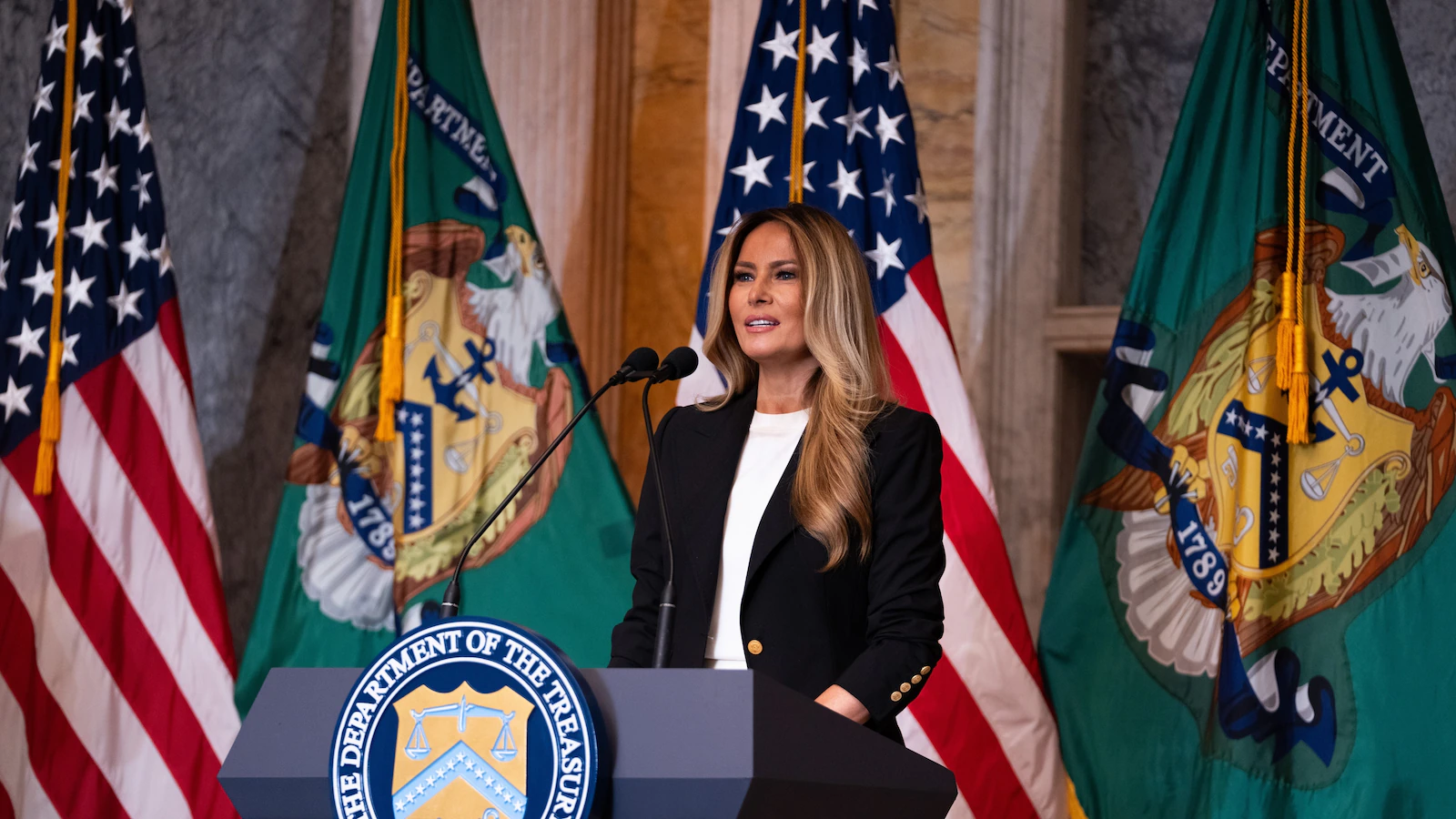
Melania Trump, speaking at a Treasury Department press conference, emphasized that the initiative would allow child welfare agencies to act as guardians for foster children when opening accounts. This change expands the program’s reach, enabling more children to benefit from the financial assistance. “Foster children deserve the same opportunities to build wealth and own assets as every other child in America,” Trump stated. The accounts will be available for contributions starting on July 4, 2025, with eligibility restricted to U.S. citizens born between January 1, 2025, and December 31, 2028.
The White House Council of Economic Advisers provided projections on the potential impact of these accounts. According to their analysis, a child born in 2026 who qualifies for a Trump Account would see their balance grow to $5,800 by age 18 and $18,100 by age 28, assuming no additional contributions are made. These figures highlight the long-term growth potential of the program, which relies on investments in the stock market by private firms. The initial $1,000 contribution is meant to be a seed fund, with the expectation that market returns will significantly increase its value over time.
Melania Trump’s advocacy for foster children has been a consistent theme in her public appearances. During the press conference, she highlighted the importance of financial literacy and economic security for children who grow up in the foster care system. “This initiative is a step toward ensuring every child, regardless of their background, has a pathway to wealth,” she said. The program’s structure also includes a partnership with state agencies, as 23 governors have already committed to allowing their departments to enroll children in the initiative. Trump encouraged further participation from governors and business leaders, urging them to support the funding of these accounts.
“Those outcomes are unsettling but we refuse to accept them as inevitable,” said Scott Bessent, the Treasury Secretary, during the event. He underscored the administration’s commitment to providing a better financial future for foster children. “We are affirming that the American dream belongs to every child,” he added. The program builds on the success of the original Trump Accounts, which were launched to offer financial benefits to newborns whose parents participated in the initiative. Now, the new accounts will focus specifically on children in foster care, aiming to bridge the gap in economic opportunity for this vulnerable group.
Program Details and Eligibility Criteria
The Fostering the Future Accounts are structured similarly to the Trump Accounts, but with a tailored approach to meet the needs of children in the foster care system. Parents or legal guardians who open an account will receive $1,000 for each newborn, provided the child is placed in foster care. This amount is then invested in the stock market by private firms, growing over time as the child ages. The funds become accessible to the child when they reach 18, offering a financial cushion for their transition to adulthood.
Eligibility for the program is specific, requiring children to be U.S. citizens and born within a defined timeframe. The initiative will apply to infants born between January 1, 2025, and December 31, 2028, ensuring that the program targets children who are entering the system at a critical stage of development. This timing allows the accounts to accumulate value as the children grow, potentially providing a substantial sum by their early adulthood. The Treasury Department will oversee the distribution of funds, working in conjunction with state agencies to manage the enrollment process.
One of the key aspects of the program is its emphasis on long-term financial growth. By investing in the stock market, the accounts are designed to benefit from compound interest, increasing their value over time. This strategy is expected to create a lasting impact on the economic future of foster children, who often face significant challenges in accessing resources and opportunities. The program also aims to empower these children by giving them a tangible asset to rely on as they navigate independence.
Economic Impact and Long-Term Goals
The economic implications of Fostering the Future Accounts are significant, particularly for children who may not have access to traditional savings accounts. The White House Council of Economic Advisers noted that the program’s structure could lead to substantial growth in account balances. For example, a child born in 2026 would have a balance of $5,800 by age 18 and $18,100 by age 28, based on market returns. These figures are calculated under the assumption that no other contributions are made to the accounts, which underscores the program’s potential to provide a financial foundation without additional support.
By addressing the issue of wealth accumulation early, the initiative seeks to create a more equitable starting point for foster children. This approach aligns with broader efforts to promote economic stability and reduce the risk of homelessness and unemployment among young adults who age out of the foster care system. The National Foster Youth Institute reported that only half of foster children secure employment by the age of 24, and one in five are at risk of homelessness. Fostering the Future Accounts aim to mitigate these challenges by providing a financial resource that can support their transition to independence.
Support from Governors and Business Leaders
The program has already garnered support from state leaders, with 23 governors pledging to allow their agencies to enroll children in Fostering the Future Accounts. This collaboration between federal and state governments is critical to ensuring the program’s nationwide implementation. Melania Trump expressed optimism about the initiative, stating, “I urge every governor and business leader to help fund these accounts.” Her call to action highlights the importance of public-private partnerships in achieving the program’s objectives.
Business leaders have also committed to supporting the initiative through matching contributions. Employers and billionaires across the country have pledged to invest in these accounts as part of employee benefits programs. Among the notable contributors are Michael and Susan Dell, who announced a $6.25 billion donation to the program. Additionally, hedge fund founder Ray Dalio and his wife, Barbara, pledged $75 million specifically for children under the age of 10 in Connecticut, where they reside. These contributions demonstrate the program’s appeal and the confidence of private sector stakeholders in its potential to create lasting impact.
With the program’s launch set for July 4, 2025, there is a sense of urgency to ensure its success. The National Council for Adoption reported that there are approximately 330,000 children in the U.S. foster care system, a number that underscores the need for such initiatives. Fostering the Future Accounts are part of a larger effort to provide these children with the tools they need to build a secure financial future. As the program progresses, its effectiveness will depend on the continued support from governors, businesses, and the public.
Expanding Opportunities for Foster Youth
Through Fostering the Future Accounts, the administration is taking a proactive stance in addressing the financial disparities faced by children in foster care. By giving each newborn a $1,000 start, the program seeks to level the playing field and offer a chance for long-term wealth creation. This initiative not only supports individual families but also strengthens the broader economic framework for children who may otherwise lack access to traditional savings mechanisms.
As the program expands, it has the potential to become a model for other initiatives aimed at improving the lives of foster children. The Treasury Department’s role in managing the accounts ensures that the funds are invested wisely, maximizing their value for future generations. With the support of state agencies and private donors, Fostering the Future Accounts represent a significant step toward fulfilling the promise of the American dream for every child, regardless of their circumstances.