DOJ Approves Paramount Skydance’s $111 Billion Acquisition of Warner Bros. Discovery
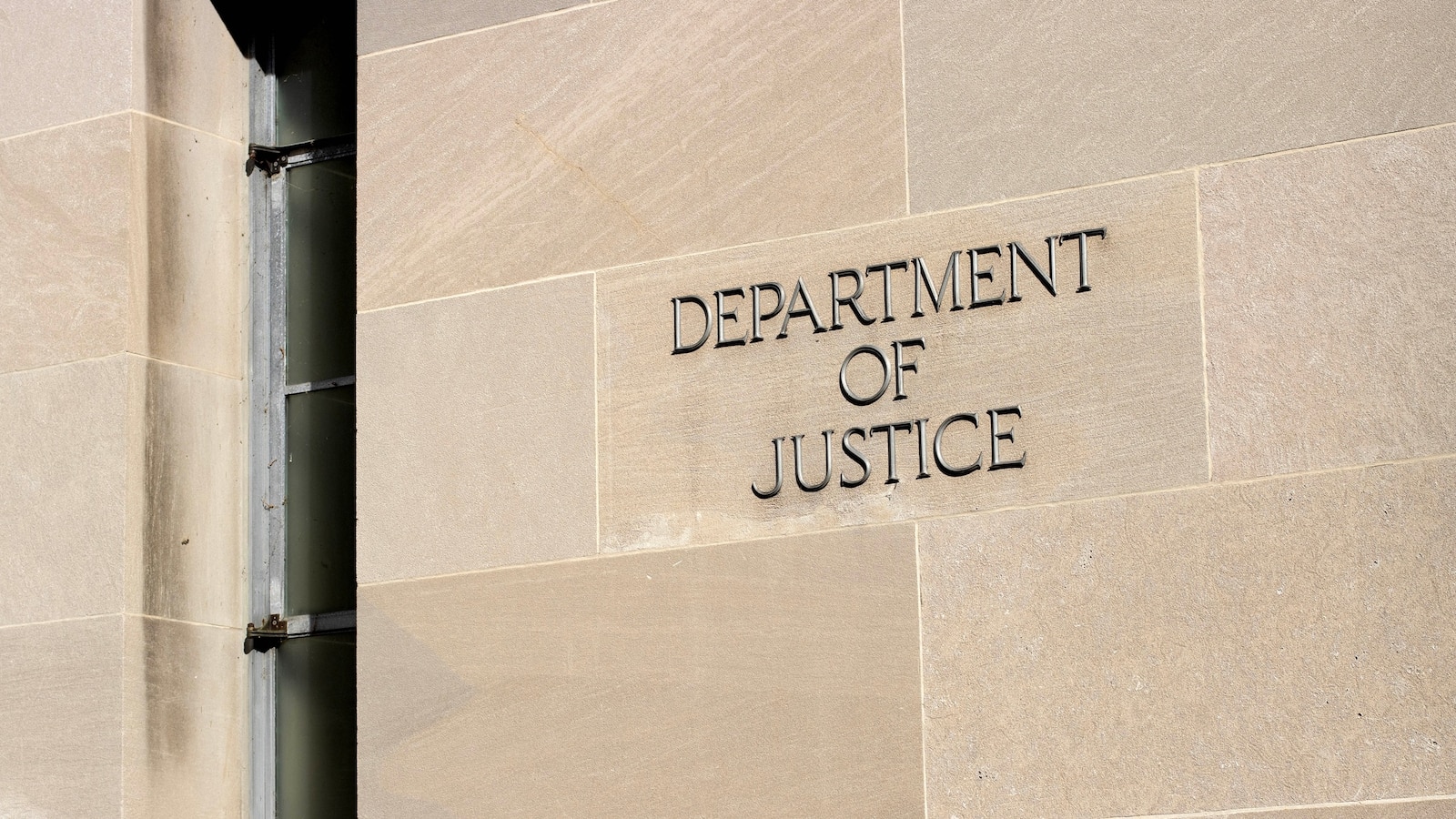
Cyberzenhub.com – The U.S. Department of Justice (DOJ) has officially cleared Paramount Skydance’s $111 billion acquisition of Warner Bros. Discovery, marking a significant milestone in the consolidation of major media companies. In a statement released on Friday, the DOJ concluded that the merger would not pose a substantial threat to market competition or harm American consumers, after an exhaustive eight-month review. This decision paves the way for the transaction to move forward, though the deal remains subject to final approvals from regulatory bodies in other jurisdictions.
A Major Shift in the Media Landscape
The approval of the merger between Paramount Skydance and Warner Bros. Discovery represents a transformative moment for the entertainment industry. The combined entity, which will be the largest media and entertainment company in the world, is expected to integrate a vast array of assets, including streaming platforms, film studios, and television networks. The DOJ’s statement highlighted that the deal would consolidate the power of two major players, creating a formidable force in content creation and distribution. However, the agency found that the transaction would not eliminate sufficient competition to warrant intervention.
Following the approval, the deal is anticipated to close by late 2022, though the exact timeline depends on the resolution of remaining regulatory hurdles. The merger had already faced scrutiny from the Federal Trade Commission (FTC), which initially challenged the transaction in April 2022. After months of negotiations, both parties agreed to a revised structure that addresses concerns about market dominance. This includes the sale of certain assets to ensure continued competition in key markets.
Eight Months of Antitrust Scrutiny
The DOJ’s investigation into the merger spanned eight months, during which it examined the potential impact on various sectors of the media industry. The agency focused on the combined companies’ control over content libraries, distribution channels, and advertising revenue. Key areas of concern included the dominance of streaming services and the ability of the merged entity to influence pricing and access for consumers.
According to the DOJ’s statement, the merger would create a single entity with the ability to control the production and distribution of content across multiple platforms. However, the agency determined that the benefits of the transaction, such as enhanced innovation and expanded global reach, would outweigh any risks to competition. “The transaction is unlikely to cause antitrust concerns or negatively impact consumers,” the DOJ emphasized in its blockquote. This conclusion follows a thorough analysis of market dynamics, including the behavior of competitors and the potential for market entry by new players.
The Department of Justice concluded that the $111 billion merger between Paramount Skydance and Warner Bros. Discovery does not present a significant risk to competition. After a comprehensive review of the market, the agency found that the deal would not restrict consumer choice or stifle innovation in the media sector. The conclusion was based on the belief that the merged company’s market power would be balanced by existing competitors and the broader media ecosystem.
The investigation also considered the effects of the merger on traditional television networks and streaming services. Warner Bros. Discovery’s ownership of HBO, CNN, and Discovery Channel, combined with Paramount’s ViacomCBS and streaming platform Paramount+ (formerly Pluto TV), could create a dominant player in the U.S. media landscape. However, the DOJ noted that the merger would not eliminate enough competition to raise red flags. The agency pointed to the presence of other major streaming services, such as Netflix, Disney+, and Amazon Prime, as a buffer against market concentration.
One of the critical factors in the DOJ’s decision was the restructuring of the deal. The original plan, which was met with opposition from the FTC, included the sale of 14 of Warner Bros. Discovery’s assets to ensure fair competition. These assets included the Discovery Channel, Scripps Networks, and other networks that operate independently of the merged company’s core platforms. By addressing these concerns, the parties demonstrated their commitment to mitigating antitrust risks while maximizing synergies.
Implications for the Entertainment Industry
The approval of this merger has far-reaching implications for the entertainment sector. It signals a shift toward larger, more integrated media giants capable of competing in a rapidly evolving market. With the combined assets of Paramount Skydance and Warner Bros. Discovery, the new entity would have access to a massive library of content, spanning films, television shows, and news programming. This includes the iconic superhero franchises from Marvel and DC, which are now under the same ownership, as well as the entire catalog of Warner Bros. Discovery’s properties.
Industry analysts suggest that the merger could accelerate the pace of content innovation and reduce costs through economies of scale. The integrated distribution model would allow the combined company to leverage its platforms more effectively, creating a one-stop shop for consumers. However, critics argue that the deal could limit the diversity of content available on streaming platforms and give the new company too much control over advertising revenue. Despite these concerns, the DOJ’s decision underscores its confidence in the deal’s ability to enhance market efficiency.
Additionally, the merger is expected to strengthen the position of both companies in the global market. Warner Bros. Discovery’s international reach, combined with Paramount Skydance’s global distribution networks, could create a powerful entity with a strong presence in multiple regions. This is particularly important as the entertainment industry continues to expand into international markets, driven by the demand for digital content and the growth of streaming services worldwide.
Next Steps and Future Outlook
While the DOJ’s approval is a major step toward finalizing the merger, other regulatory bodies must still review the deal. The European Union’s competition authority and the United Kingdom’s Competition and Markets Authority are expected to weigh in on the transaction, potentially influencing its timeline. If these approvals are secured, the merger will create a media giant with an unparalleled reach, reshaping the entertainment landscape for years to come.
For now, the deal is seen as a landmark achievement in the industry’s ongoing consolidation. It reflects a broader trend of mergers that aim to combine content creation with distribution, enabling companies to compete more effectively in a digital-first world. As the media sector continues to evolve, the success of this merger could set a precedent for future combinations, influencing the structure of the global entertainment market.
With the DOJ’s green light, the entertainment industry is poised for a new era of integration and innovation. The merger’s completion will mark the culmination of months of negotiation and scrutiny, highlighting the balance between corporate growth and regulatory oversight. While challenges remain, the decision to approve the $111 billion deal underscores the confidence of regulatory authorities in its long-term benefits for consumers and the market as a whole.