Russia Strikes Power Plant in Ukraine After Ceasefire Claim
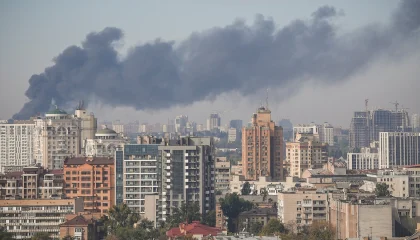
Cyberzenhub.com – Russia strikes power plant in Ukraine as attacks on energy infrastructure continued shortly after President Donald Trump announced what he called an immediate halt to energy-related attacks in the war. Ukrainian officials said a thermal facility in Kharkiv was hit, raising questions about whether the proposed arrangement had been clearly communicated or accepted by both sides.
Ukraine said it was prepared to support a pause in attacks on energy targets if Russia made the same commitment. But the reported strikes underscored the uncertainty surrounding the status and enforcement of any energy-focused ceasefire.
Kharkiv thermal plant and Kyiv facility targeted
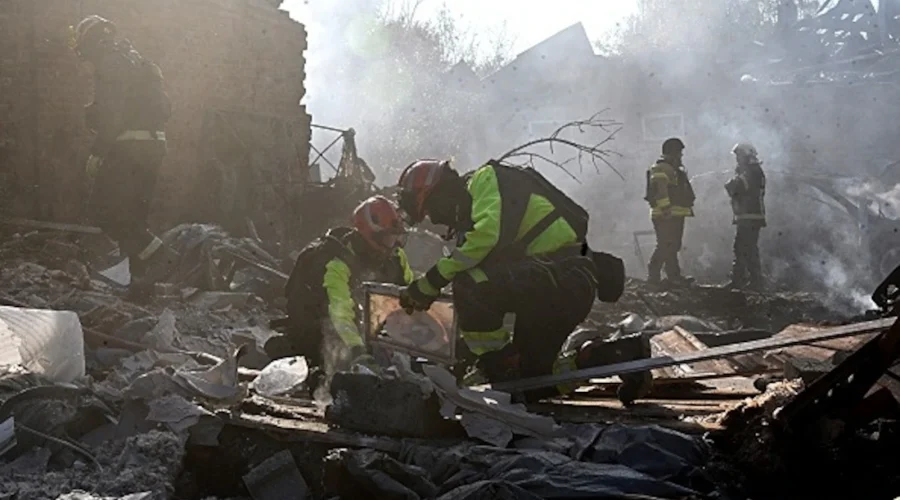
In Kharkiv, the CHP-5 thermal power plant was struck at least twice, causing a fire at the facility. Ukrainian President Volodymyr Zelenskyy said a separate power plant in Kyiv was also targeted after Trump made his public statement.
Energy infrastructure is a critical part of civilian life in Ukraine. Damage to power plants can affect electricity, heating, water systems, transportation and other essential services, often far beyond the immediate area of an attack.
Kharkiv, in eastern Ukraine, has repeatedly faced attacks during Russia’s invasion. Continued strikes on infrastructure have heightened concern for residents and repair crews working to keep vital services operating.
Trump announces an energy ceasefire
Trump said on social media that Russia and Ukraine had agreed to an “energy ceasefire” intended to stop attacks on critical energy facilities. He described the arrangement as taking effect immediately.
“Effective immediately, there is an ENERGY CEASEFIRE in the War between Russia and Ukraine. Both parties have agreed. Do not break it!”
Ukraine’s government, however, was not expecting the announcement. A senior official in Zelenskyy’s presidential office said the Ukrainian president learned about it through social media.
Russia had not publicly responded to Trump’s claim at the time of the reported attacks. Without confirmation from Moscow and clear terms for implementation, it remained uncertain whether the proposed ceasefire had begun on the ground.
Ukraine seeks reciprocal protection for energy sites
Zelenskyy said Kyiv supported a rapid agreement focused on energy infrastructure, provided Russia stopped attacking Ukraine’s power system. Under Ukraine’s proposed approach, it would stop targeting Russian oil refineries in return for an end to strikes on Ukrainian electricity and heating facilities.
“Ukraine is ready not to strike at Russian energy, and we are counting on Russia’s similar readiness.”
He said Ukraine had repeatedly proposed measures to reduce the intensity of the conflict and questioned whether Russia was prepared to take matching steps toward peace.
“Ukraine has proposed many de-escalation steps. Ukraine wants peace. The question is whether Russia wants it.”
Why Russia’s strikes on Ukraine’s power plants matter
The reported Russia strikes power plant in Ukraine incident illustrates the gap that can emerge between diplomatic announcements and conditions in an active war. A limited agreement may signal political intent, but it requires both sides to understand the same terms, communicate them through military command structures and comply with them in practice.
A ceasefire limited to energy assets would not end the wider conflict, but it could reduce risks to civilians who depend on functioning power and heating systems. Its effectiveness would depend on clear commitments and verifiable restraint from both Russia and Ukraine.
FAQ: Energy Attacks and the Proposed Ceasefire
What happened in Kharkiv?
Ukraine said Russia struck the CHP-5 thermal power plant in Kharkiv at least twice, causing a fire at the site.
Did Russia confirm the energy ceasefire?
Russia had not publicly confirmed the arrangement described by Trump at the time of the reported strikes, leaving its status unclear.
What would an energy ceasefire cover?
The proposal described by Ukrainian officials would seek to stop attacks on energy-related targets, including electricity, heating and other critical infrastructure, while not necessarily halting all fighting.
Why are power plants important to Ukrainian communities?
Power facilities support electricity, heating, water systems, transportation and other essential services. When they are damaged, disruptions can affect large numbers of civilians and make recovery more difficult during continued hostilities.