British Prime Minister Says Russian Role in Brexit Vote Is Now Clear
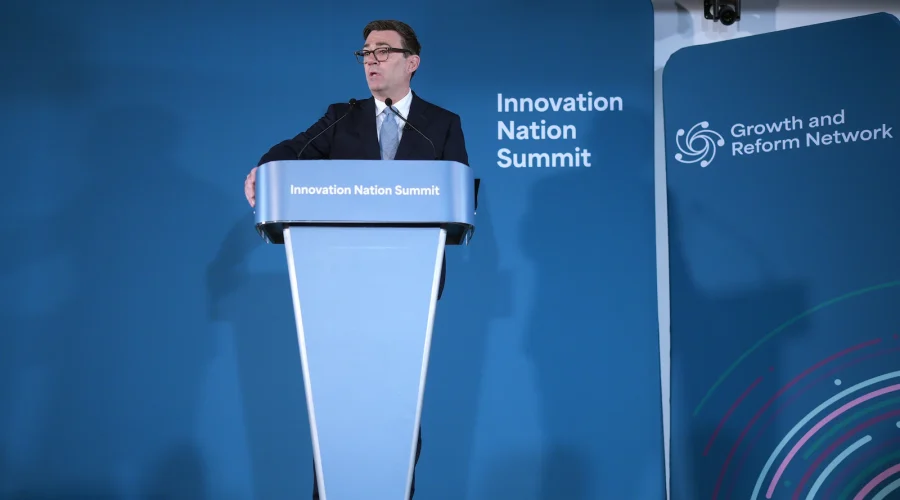
Cyberzenhub.com – Britain’s decision to leave the European Union is again under scrutiny after Prime Minister Andy Burnham said he has been told that Russia did interfere in the 2016 referendum campaign.
In comments from an upcoming episode of The Rest is Politics podcast, Burnham said he sought an answer from his advisers after taking office as prime minister in July. The conclusion, he said, was unambiguous: Moscow had played a part in attempting to influence the referendum.
“I’ve had the clear answer that yes, there was,” Burnham said.
The full episode is due to be released Monday. Burnham said publicly acknowledging the issue matters not only for Britain’s political record, but also for voters elsewhere in Europe who may face similar attempts to shape debate through hostile foreign activity.
“These things are important now to put clearly on the record and I believe help voters in Germany and France understand that some of this politics is instigated via our enemies, namely Russia.”
A renewed focus on democratic resilience
The Brexit referendum, held in June 2016, resulted in a vote to leave the EU and set in motion years of negotiations, political upheaval and constitutional debate. Britain formally left the bloc in 2020. Questions about misinformation, online influence and foreign involvement have remained part of the wider discussion around the campaign.
Burnham’s remarks appear to mark the first public statement by a British prime minister directly accepting that Russia interfered in the Brexit vote. His comments arrive while British intelligence agencies have been warning that Russian activity poses an increasing risk to the country’s democratic institutions.
Russia has repeatedly denied interfering in elections or referendums abroad. The dispute reflects a broader European concern about the ways foreign actors can use online platforms, state-backed media, deceptive narratives and coordinated accounts to amplify divisions or weaken trust in public institutions.
For voters, the distinction is important. Interference does not necessarily mean that a foreign government determined an election result. It can instead involve efforts to influence the information environment: spreading false or misleading claims, promoting polarizing messages, or increasing the visibility of arguments that serve an outside power’s interests. Assessing the full effect of such activity can be difficult long after a vote has taken place.
Germany and the AfD question
Burnham also described a recent discussion with German Chancellor Friedrich Merz in Berlin. The two leaders spoke about possible connections between Russia and Alternative for Germany, the country’s far-right AfD party.
“You know he was saying to me that the AfD are clearly linked to Russia, funded I believe,” Burnham said.
Burnham added that Russian-origin misinformation and disinformation were entering German political life.
“There is certainly misinformation, disinformation that is emanating from Russia into German politics,” he said.
Germany has become a key focus in Europe’s debate over foreign influence, given its political and economic weight and the prominence of the AfD. Burnham’s comments suggest that the British government sees Russia’s alleged activity not as an isolated episode linked to Brexit, but as part of a continuing challenge facing democratic countries across the continent.
France and Germany both hold central positions in European policymaking, while Britain remains closely tied to European security despite leaving the EU. Concerns about election integrity, public trust and the reliability of information therefore have consequences beyond individual national campaigns.
What Parliament had already found
Britain’s Intelligence and Security Committee examined Russia-related issues in a 2020 report. It concluded that the government had not carried out a full assessment of the potential impact that Russian state media and online “troll” accounts may have had during the EU referendum.
That finding did not provide a definitive measurement of the effect on the referendum outcome. Instead, it highlighted a gap in the government’s understanding of the possible scale and consequences of foreign information activity during the campaign.
The committee’s work helped establish an important distinction that remains relevant today: intelligence agencies may identify threats and suspicious activity, but evaluating their political impact requires sustained investigation, access to digital evidence and a clear public record. Burnham’s statement places renewed pressure on the question of what was known, when it was known and how Britain should respond to comparable risks in the future.
His decision to speak openly also signals a wider shift in tone. For years, foreign interference claims surrounding Brexit were politically sensitive because of the referendum’s significance and the divisions it created. By saying the evidence presented to him is clear, Burnham has moved the issue from a matter of unresolved public argument toward one of stated government concern.
The debate is likely to extend beyond the events of 2016. It raises practical questions about how governments protect electoral systems, how technology companies address coordinated manipulation, and how citizens can distinguish legitimate political disagreement from campaigns designed to exploit it. As European governments confront those questions, Burnham’s intervention puts Britain’s Brexit referendum back at the center of a continent-wide conversation about democracy and foreign influence.
Related Reading
Frequently Asked Questions
What is UK prime minister says it s clear?
UK prime minister says it s clear is the main topic of this guide. The article explains the context, practical details, and next steps readers should understand.
Why does UK prime minister says it s clear matter?
UK prime minister says it s clear matters because readers are looking for a useful answer, not just a short summary. Good content should match search intent and help them decide what to do next.