
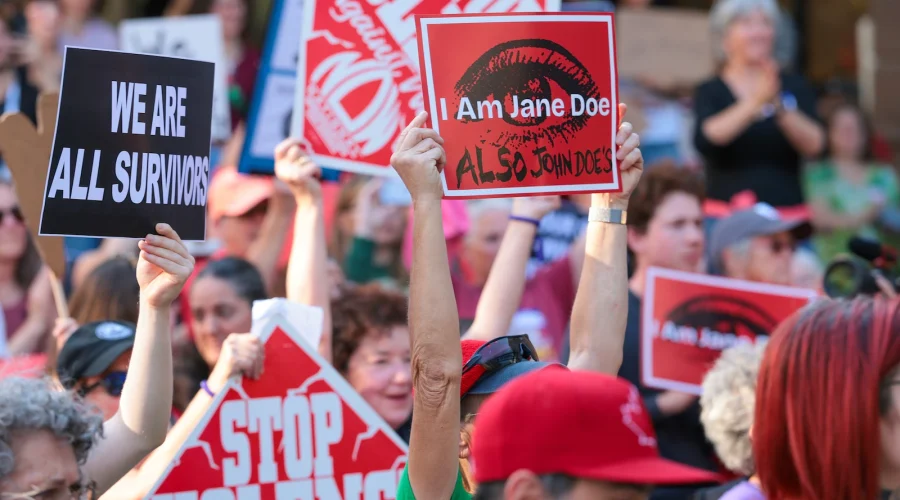
Cornell President Defends Response to Jane Doe Allegations
Cyberzenhub.com – Cornell president defends response to Jane Doe allegations after facing sharp questions from faculty members during a heated Senate meeting. The discussion centered on the university’s handling of an alleged 2024 gang rape at the Chi Phi fraternity house and whether Cornell acted quickly enough to protect students.
The meeting was the first of two planned faculty discussions concerning a proposed no-confidence resolution over Cornell’s response to sexual violence. Faculty members are expected to vote on the measure later this month.
Faculty Calls for a Systemic Response
University President Michael Kotlikoff defended recent actions, including suspending fraternity parties and increasing state police involvement in campus sexual-assault investigations. Some professors argued, however, that those steps followed growing public pressure rather than a sustained commitment to preventing sexual violence.
Professor Risa Lieberwitz said the issue demanded broader institutional change.
This is a systemic problem that deserves systemic attention, and thus far, President Kotlikoff, it appears that you have simply reacted to pressure.
Kotlikoff acknowledged that some people view the university’s response as reactive. He said information about the case became available over time and that Cornell needed time to assess the circumstances before taking action.
The allegations were brought by a former Cornell undergraduate publicly identified as Jane Doe. She reported to campus police in November 2024, three weeks after the alleged incident, that she had been raped by multiple men at the fraternity house. Her civil lawsuit alleges she was drugged and raped and names Cornell University and the men involved.
All seven fraternity brothers identified in the civil case have denied wrongdoing. No criminal charges have been filed.
Questions About Safety and Due Process
As the Cornell president defends response to Jane Doe allegations, the case remains under review on several fronts. New York Attorney General Letitia James is investigating the incident, while Cornell is conducting an internal examination of its response.
Faculty member Noah Tamarkin questioned why two students alleged to have been involved could continue studying on campus. He said students, staff, and faculty had expressed concerns about their safety.
We’ve heard repeatedly from our students, both undergraduate and graduate, as well as our colleagues and other staff, that they don’t feel safe with these men on campus.
Kotlikoff said legal and privacy restrictions limit what Cornell can disclose about its Title IX process. He also stated that the men were not found responsible for rape through the university’s Title IX investigation.
That is due process in the way our process works. You may disagree with the outcome, I may disagree with the outcomes, but that is our process.
The debate reflects the tension colleges face when responding to sexual-misconduct allegations: addressing community safety concerns while following procedures intended to provide due process to all participants.
Greek Life Under Renewed Scrutiny
The Cornell president’s defense of the response to Jane Doe allegations also renewed questions about fraternity culture and whether the university’s Greek-life system can operate safely. Associate professor Andrew Moisey said the case had caused serious reputational harm to Cornell.
Faculty members are expected to continue examining the university’s response before the planned vote on the no-confidence resolution.
FAQ: Cornell Response to the Jane Doe Allegations
What is Cornell faculty considering? Faculty members are discussing a proposed no-confidence resolution related to Cornell’s response to sexual violence and are expected to vote later this month.
Are there criminal charges in the case? No criminal charges have been filed. The seven fraternity brothers identified in the civil lawsuit have denied wrongdoing.
Why can Cornell not disclose more information? Cornell President Michael Kotlikoff said legal and privacy restrictions limit what the university can publicly share about Title IX proceedings.