FBI Conducts Raid on Ohio Organization Advocating for Voting Rights Expansion
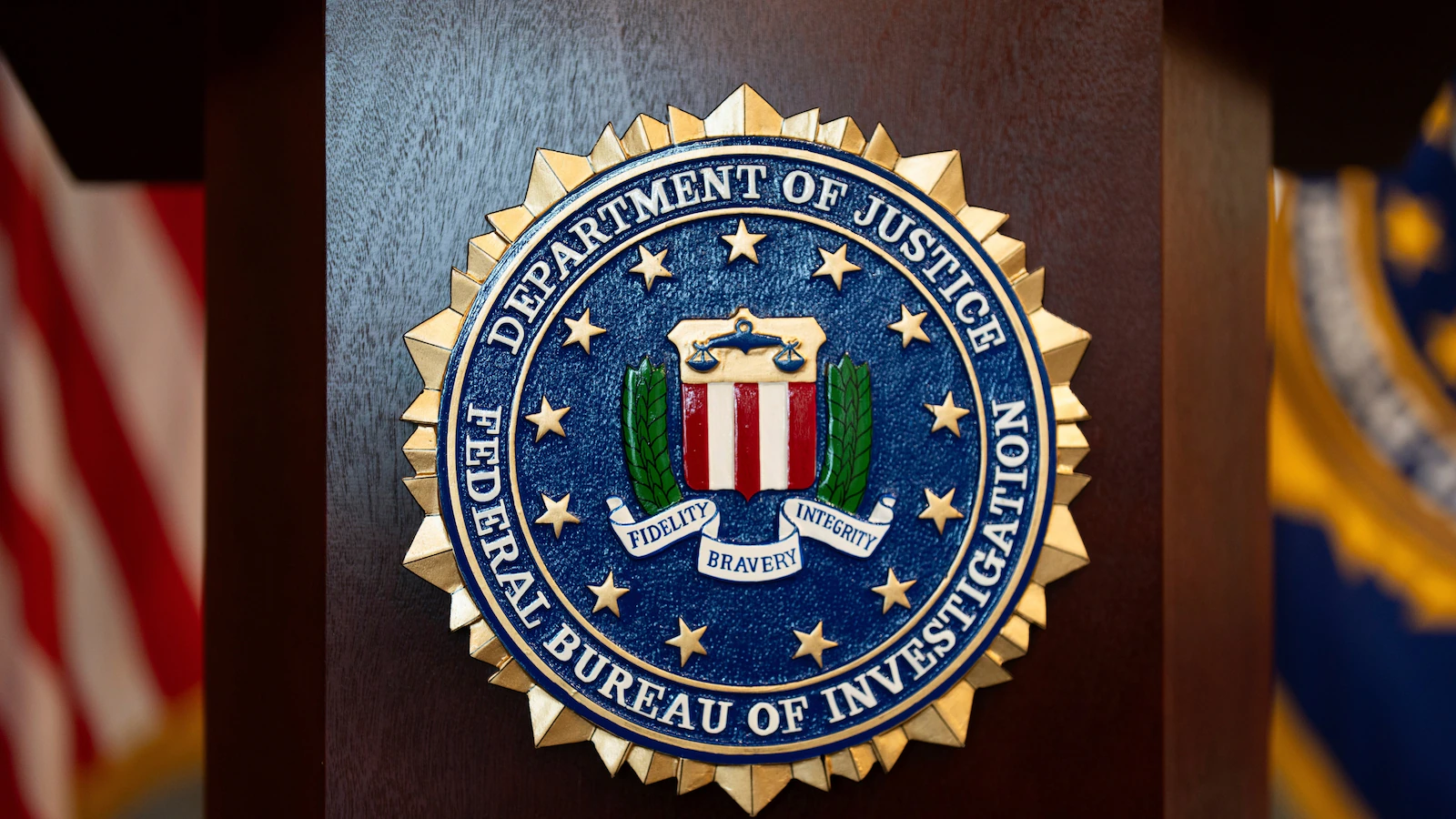
Cyberzenhub.com – Federal law enforcement agents executed a search at the headquarters of the Ohio Organizing Collaborative, a grassroots group dedicated to advancing voter registration initiatives, according to a board member who spoke on Friday. The raid, which took place in Cleveland, involved seizing documents and computer files, as well as interrogating staff for several hours. This action has drawn attention as part of a broader pattern of investigations linked to the Trump administration’s scrutiny of election processes in key states. Ohio, a battleground for critical races this fall, is expected to see intense competition for governor and U.S. Senate seats, making the timing of the search particularly noteworthy.
A Grassroots Mission Under Scrutiny
The Ohio Organizing Collaborative, established in 2007, has long focused on promoting criminal justice reform, racial equity, and expanding access to voting rights. Its work has included organizing community efforts to register voters and advocate for policies aimed at reducing barriers to participation. Prentiss Haney, a board member of the group, described the FBI’s presence at its Cleveland office as a disruptive event, stating that agents had “spent hours questioning staff” during the raid. Haney also noted that investigators extended their reach beyond the office, visiting the residences of individuals affiliated with the organization to gather information on alleged voter fraud.
“The agents were using intimidation tactics and harassment,” Haney said, expressing concerns that the probe was designed to undermine confidence in the upcoming elections. While the exact scope of the investigation remained unclear, a person close to the matter confirmed that federal authorities were examining potential violations of election laws, though they spoke anonymously due to the sensitivity of the case. The Justice Department, which oversees such operations, declined to comment on Friday, and an FBI spokesperson in Cleveland did not respond to inquiries.
Politicized Investigations and Probable Cause
According to legal standards, obtaining a search warrant requires demonstrating probable cause of criminal activity to a judge. While the specific evidence presented by federal agents was not disclosed, Democrats have raised questions about the legitimacy of the search, citing ongoing concerns over the politicization of the FBI and Justice Department. The party’s candidates for major state races issued statements Friday, criticizing the raid as a tactic to suppress voter engagement.
Dr. Amy Acton, the state’s former public health director and a Democratic gubernatorial candidate, condemned the FBI’s actions as an attempt to intimidate Ohio residents from participating in elections. “Any efforts to discourage eligible voters from registering are unacceptable,” she stated, emphasizing the importance of equitable access to the ballot box. Similarly, Senator Sherrod Brown, who is running for re-election against Republican Jon Husted, called for transparency, urging the FBI to release “any and all activities” related to the raids. “Intimidation of voters will not succeed,” he added, underscoring Democratic resistance to the probe.
Broader Context of Federal Election Scrutiny
The raid on the Ohio group is part of a series of federal actions targeting election operations in pivotal states. Throughout his presidency, Donald Trump’s administration has directed the Justice Department to investigate various aspects of voting procedures, including allegations of fraud. In 2020, the FBI seized ballots and election records from Fulton County in Georgia and Maricopa County in Arizona, while in 2024, similar actions occurred in Wayne County, Michigan, and Milwaukee County, Wisconsin. These locations are all considered key battlegrounds in national elections.
Additionally, the Justice Department has pursued legal measures against states that resisted sharing detailed voter data, such as dates of birth and partial Social Security numbers. These data were sought to run through a Department of Homeland Security program designed to verify U.S. citizenship, a process that has faced criticism for its accuracy. Despite these efforts, the department has yet to secure favorable rulings in lawsuits against holdout states, raising doubts about the effectiveness of its strategy.
Targeting Democratic Infrastructure
One of the administration’s most notable targets has been ActBlue, the primary fundraising platform for the Democratic Party. Early in Trump’s second term, he ordered the Justice Department to investigate the organization, suspecting it of facilitating fraudulent voter sign-ups. Typically, voter registration fraud is investigated at the state level, but federal involvement has intensified in recent years, particularly under the current administration. Earlier this year, California officials launched an inquiry into whether signature collectors were offering payments to voters for signing ballot petitions, a practice that has sparked debate over its legitimacy.
In 2025, Pennsylvania authorities also filed criminal charges against seven individuals for submitting fake voter registration forms. These cases highlight a trend of federal agencies expanding their role in election oversight, often focusing on allegations of misconduct in state-level processes. Critics argue that such actions risk politicizing the electoral system, with the FBI’s investigations appearing to target groups that have historically supported Democratic initiatives.
Questions of Legitimacy and Impact
The Ohio raid has reignited discussions about the balance between legitimate election oversight and political bias. While the FBI claims to be investigating potential violations, its methods have been scrutinized by advocates who see them as an attempt to cast doubt on the integrity of voting processes. “The probe seems aimed at creating uncertainty in the polls,” said a spokesperson for the group, noting that the organization has long focused on empowering marginalized communities through voting rights advocacy.
As the midterms approach, the timing of these investigations has raised alarms about their impact on voter turnout. With Republicans holding Ohio’s top elected offices for two decades and facing Democratic challenges in key races, the FBI’s actions may be seen as a strategic move to weaken opposition. However, the lack of public details about the search warrant and the agents’ focus on alleged fraud has left many questioning whether the investigation is rooted in solid evidence or partisan intent.
The broader implications of these raids extend beyond Ohio, as they signal a continued effort to scrutinize election procedures in states with historically high voter participation. While the Justice Department maintains its legal authority to investigate such matters, the focus on Democratic organizations has sparked debates about the fairness of federal oversight. As the political landscape shifts, the actions of the FBI and its allies may shape the discourse around voting rights and election integrity in the lead-up to pivotal elections.