Wife of Active Duty Army Sergeant Deported
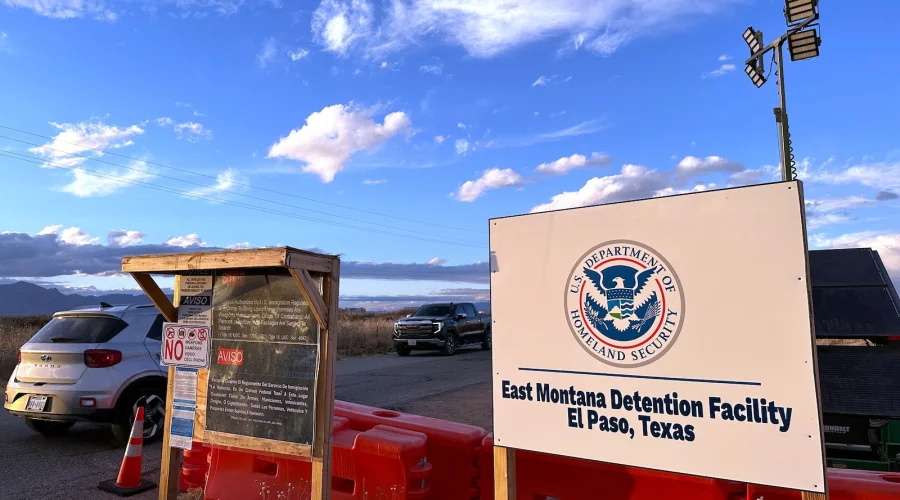
Cyberzenhub.com – The wife of active duty Army Sgt. Hedar Leonel Turcios Juarez, Cristy Maryori Villafranca Trejo, was removed from U.S. soil on August 24 and flown back to Honduras. She left behind a six-year-old daughter and her husband, who is stationed at Fort Bliss in El Paso, Texas. The case has become a flashpoint in a widening dispute over how aggressively the Trump administration is enforcing immigration law against undocumented relatives of serving troops.
How the Detention Unfolded
Immigration and Customs Enforcement agents detained Villafranca on July 11 outside a Walmart in El Paso. According to her husband, masked officers took her into custody while their young daughter stood nearby watching. DHS confirmed the removal in a written statement, describing Villafranca as “an illegal alien from Honduras” who was taken out of the country “in accordance with our laws.” The agency added that she had “illegally entered the United States in 2016 and was released into the country under the Obama administration,” and that ICE carried out “a targeted immigration enforcement operation” to effect the arrest.
Turcios Juarez, who earned U.S. citizenship in 2024 after a nine-month deployment to the Middle East, said he had begun the naturalization process for his wife, hoping his service record would speed the timeline. Villafranca fled Honduras in 2016 amid a surge of violent crime. After finishing high school stateside, Turcios Juarez enlisted and eventually secured his own citizenship through military service.
“She’s been a very supportive wife since the first day that I decided to join the military. I was deployed for nine months. She took care of my family,” Turcios told reporters. “She’s not a threat to anybody. We’re just trying to keep our family together.”
A Pattern Extending Across Military Households
The Turcios Juarez case sits within a larger trend. An Associated Press investigation identified more than 50 parents and spouses of active-duty service members swept into the administration’s deportation push during Trump’s second term, with at least six already sent home. Advocacy organizations report the tally is still rising.
Danitza James, CEO of Repatriate Our Patriots — a group that works alongside Families United to help service members and veterans reunite with detained relatives — said the organization’s primary tactic beyond securing attorneys is to lobby members of Congress for intervention. As of August 20, James was actively assisting eight active-duty members and one veteran whose family members had been detained. She noted that some affected soldiers have been forced to take leave to care for children left behind, compounding the strain of operating in a combat environment — the United States is currently engaged in a war with Iran — without the emotional anchor of a spouse at home.
The removals also collide with the administration’s own framing. Trump has repeatedly insisted ICE is going after the “worst of the worst,” calling undocumented entrants “animals” and “dangerous criminals.” Yet a review of state and federal records conducted for the Associated Press story found no criminal history for any of the military spouses named in the reporting, in the states where they reside. Veterans’ groups and lawmakers on both sides of the aisle have pressed the discrepancy.
The timing overlaps with other immigration-policy turbulence. A federal judge recently struck down a Trump administration rule that had suspended immigrant visas for 75 countries, restoring case-by-case adjudication. Though separate from the deportation actions, the ruling highlights the broader legal uncertainty surrounding the administration’s approach to immigration law.
Frequently Asked Questions
Can a military spouse who is undocumented apply for a green card through their service-member spouse? In many cases, yes. The Military Spouse Green Card program allows active-duty spouses to petition for adjustment of status, though eligibility requirements vary by branch and rank. Families should consult an immigration attorney experienced in military-family cases to determine the correct pathway.
What organizations help military families navigate detention or deportation? Repatriate Our Patriots and Families United are two groups that coordinate legal representation and congressional outreach for service members whose relatives have been detained. Local veterans’ service organizations and military legal-assistance offices can also point families toward pro bono immigration counsel.
Does active-duty service protect a spouse from deportation? No automatic protection exists. A service member’s rank or deployment status does not, by itself, shield an undocumented spouse from removal. However, advocacy groups and members of Congress can intervene on a case-by-case basis, and some families have secured stays of removal through political pressure or pending naturalization petitions.
What should a military family do immediately after a spouse is detained? Obtain the ICE case number, contact a qualified immigration attorney, notify the unit’s family-support office, and reach out to advocacy groups such as Repatriate Our Patriots. Early legal representation significantly improves the odds of securing a bond hearing or a stay of removal while any petition is pending.