
Extraordinary Trump-style filing asks to lift ballroom injunction as Republicans seek $400M in funding
Trump-Style Filing Asks to Lift Ballroom Injunction
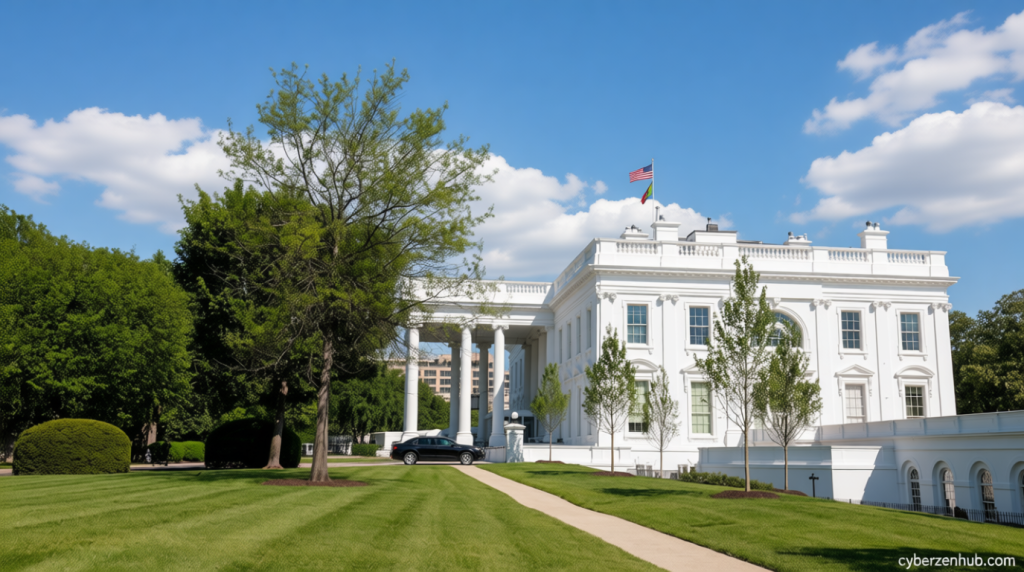
Extraordinary Trump style filing asks to lift – A bold legislative move, styled in the manner of former President Donald Trump, has emerged as Senate Republicans push to revoke a court-ordered injunction blocking the White House ballroom project. The filing, unveiled just hours before the Department of Justice (DOJ) submitted its own legal challenge, frames the issue as a critical matter of security and national interest. This strategy reflects the administration’s tendency to leverage urgent rhetoric, aligning with the same flair seen in Trump’s public communications. The bill, backed by key GOP lawmakers, seeks $400 million in funding to expedite the construction of the facility, which is central to the debate over executive authority and congressional oversight.
DOJ’s Argument Aligns with Trump’s Legal Approach
The DOJ’s motion to lift the injunction, filed late Friday, echoes the bold, emotionally charged tone characteristic of Trump’s legal and political strategies. Senior officials argue that the existing ruling—issued in March—has created an “intolerable” obstacle to presidential safety, claiming that the White House Correspondents’ Dinner incident demonstrated the risks of holding major events at the Washington Hilton. Legal analysts describe the motion as “extraordinary,” noting its use of hyperbolic language and direct references to former President Barack Obama, a tactic often employed by Trump to contrast his approach with that of his predecessor.
Acting Attorney General Todd Blanche, who highlighted the incident in a social media post, stated the event proved the necessity of a dedicated presidential venue. “The Secret Service has consistently ensured the president’s safety,” Blanche asserted. “But without a secure ballroom, we risk exposure to potential threats.” This assertion forms a central argument in the DOJ’s filing, which aims to pressure the court into revisiting the injunction’s validity. The move underscores a broader effort to streamline decision-making and prioritize executive actions in the face of emerging security challenges.
Security Concerns and Legislative Rationale
The proposed legislation and the DOJ’s motion both hinge on the April 17, 2026, security breach at the Washington Hilton, where a suspect reportedly bypassed security to access the White House ballroom. The incident, involving Cole Allen, has been used to justify the project’s urgency. Lawmakers argue that the White House should serve as the primary location for high-profile events, given its symbolic and strategic importance. The bill’s sponsors emphasize that the facility would integrate advanced security measures, positioning it as a safer alternative to the Hilton for presidential gatherings.
“If we have a presidential ballroom adjacent to the White House, the attacker never would have gotten in,” said Senator Lindsey Graham, R-S.C., the bill’s lead sponsor. “The times we live in demand that we provide the president with the best possible protection.”
Graham’s statement reflects the Republican argument that the ballroom is essential for addressing modern security threats. The timeline for completion, set for at least 2028, has been framed as necessary given the urgency of the situation, despite the project’s delays and the existing secure venues available in the capital.
Political Dynamics and Legal Challenges
While the DOJ’s motion highlights the immediate security risks, critics argue that it overstates the case to sway judicial opinion. Legal experts note that the Hilton, though not the White House, is a well-guarded facility with robust security protocols. They question whether the ballroom is indispensable or merely a symbol of presidential power. The filing, however, presents a compelling narrative: the president’s safety is at stake, and the project must be prioritized to prevent future incidents.
Despite the emotional language, the legal battle remains rooted in procedural arguments. The injunction, issued by Judge Richard Leon, was based on the need for congressional approval before construction could proceed. The DOJ’s motion asserts that the current threat level justifies overriding this requirement, a stance that mirrors Trump’s approach to executive authority. This strategy has drawn comparisons to past efforts to bypass legislative checks, raising questions about the balance between expediency and constitutional norms in the face of national emergencies.