Federal Judge Denies Emergency Bid Over California Ballots
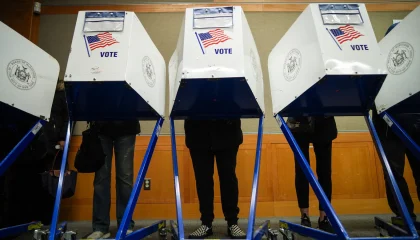
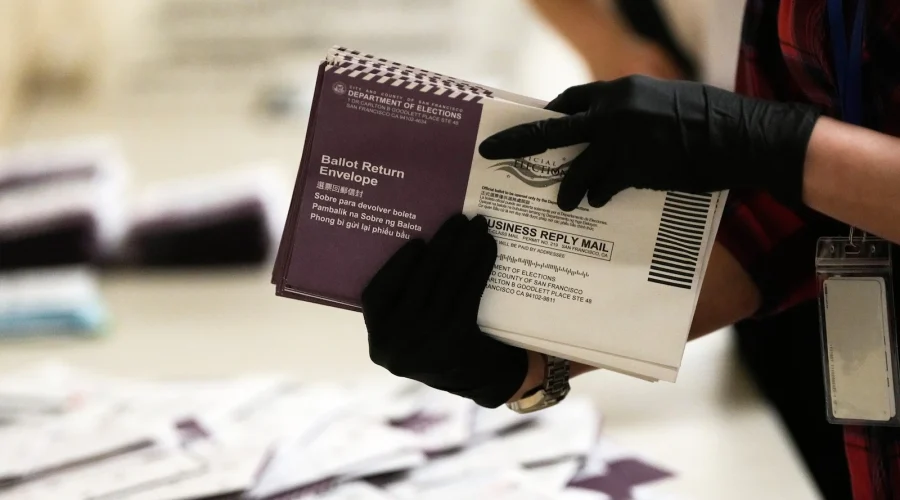
Cyberzenhub.com – A federal judge in California has turned down an emergency request by the Justice Department that sought to require state officials to set aside roughly 20,000 ballots connected to voters the Trump administration has described as “likely” noncitizens.
The decision came in an order issued Wednesday by U.S. District Judge David Carter. The dispute centers on an unusually late federal effort to alter how California and local election authorities handle ballots as an election approaches.
Judge Warns Against Federal Intervention
In rejecting the requested order, Carter emphasized the significance of the timing and the constitutional questions raised by the federal government’s request. His ruling framed the matter as more than a disagreement over a discrete group of ballots; it also addressed the respective roles of federal, state, and local authorities in administering elections.
“Never before in American history has the federal government, on the eve of an election, sought to coerce a state and local government to abandon their own Constitutional elections procedures and bend to the will of the Executive Branch,”
The order means California will not be compelled by the emergency request to separate the approximately 20,000 ballots at issue. The administration had asserted that the ballots belonged to people who were likely not citizens, but the court declined to impose the requested intervention.
Why the Timing Matters
Election procedures are typically governed through established state and local systems that include ballot processing, voter eligibility rules, and safeguards for resolving disputes. Court orders issued close to an election can carry significant practical consequences because election offices must continue operating under firm deadlines while voters expect their ballots to be handled consistently.
Carter’s language focused on the federal government’s attempt to direct California and local officials to depart from their own constitutional election procedures. The ruling does not itself resolve every broader political debate over voting eligibility, but it rejects this particular emergency effort to require the segregation of the ballots.
The case also highlights the difference between raising concerns about eligibility and obtaining a court order that changes election administration. An emergency request requires a judge to assess not only the allegations being made, but also whether the requested action is legally justified and appropriate under the circumstances.
Ballot Handling Remains With California Officials
With the request denied, California’s existing election processes remain in place for the ballots identified by the Justice Department. State and local election officials retain responsibility for carrying out the procedures that apply within their jurisdictions.
The estimate of roughly 20,000 ballots was a central figure in the administration’s request. The court’s refusal to order those ballots separated leaves the handling of those ballots subject to California’s election framework rather than the emergency directive sought by the federal government.
For voters, the immediate importance of the order lies in its effect on election administration. Rather than introducing a court-mandated new step at the last moment, the ruling preserves the procedures already used by California and local election authorities.
A Developing Legal and Election Story
The dispute involves high-stakes questions about citizenship, ballot access, federal authority, and state control over election procedures. Those questions frequently draw intense public attention, particularly when they arise close to an election.
Still, the court’s Wednesday decision is specific: the Justice Department did not obtain the emergency order it sought. Judge Carter’s ruling underscores his view that the federal government could not require California and local governments to abandon their own constitutional election procedures in response to the executive branch’s request.
Further developments could clarify whether additional legal filings or election-related challenges emerge. For now, the emergency effort to have California segregate about 20,000 ballots has been rejected, leaving the state’s existing election administration process in effect.
Related Reading
Frequently Asked Questions
What is Judge rejects Trump administration request for order?
Judge rejects Trump administration request for order is the main topic of this guide. The article explains the context, practical details, and next steps readers should understand.
Why does Judge rejects Trump administration request for order matter?
Judge rejects Trump administration request for order matters because readers are looking for a useful answer, not just a short summary. Good content should match search intent and help them decide what to do next.