Why California’s Vote Count Can Continue Long After Election Day
Cyberzenhub.com – California voters may cast their ballots by Nov. 3, but several major contests could remain unresolved for days or even weeks. The delay is not necessarily a sign of trouble. It reflects the state’s size, its widespread use of voting by mail and a detailed verification process that applies before many ballots can be added to the totals.
With roughly 23 million registered voters, California has more potential ballots to process than any other state. Its election system must also account for ballots sent through the mail, provisional ballots and signature checks that require county officials to examine each eligible vote carefully.
Mail voting shapes the timeline
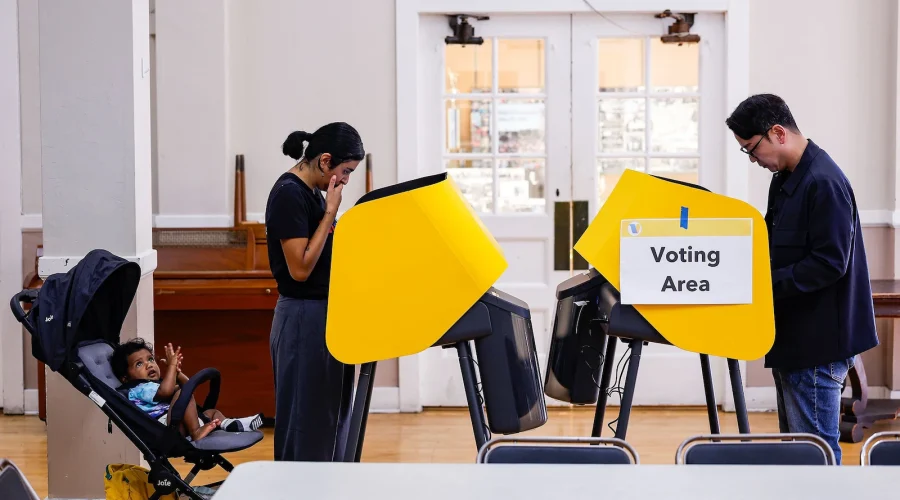
Mail ballots are central to California’s elections. More than 89% of people who participated in the June 2 primary voted by mail, California Secretary of State Shirley Weber said. In an October survey of likely California voters, 65% said they had voted or expected to vote by mail, while 11% said they would vote in person on Election Day.
That scale means election-night returns provide only an early picture. Ballots mailed by Election Day can still be accepted if they arrive within seven days afterward. Provisional ballots, used when a voter’s eligibility needs to be confirmed, also remain part of the count after polls close.
Every mailed ballot requires additional work. Election workers must confirm that the signature on the ballot envelope matches the voter signature held in election records. If there is a problem with a signature, the ballot cannot simply be treated like an ordinary election-night vote. The validation steps are designed to determine whether the ballot can legally be counted.
County officials can take up to 30 days after an election to complete ballot counting. That statutory window recognizes that large numbers of ballots can arrive late within the permitted period and that verification cannot always be completed immediately.
Close races can shift as ballots are processed
The extended count matters most in tightly contested races. Early vote totals may favor one candidate because ballots are reported in batches, with different counties and voting methods reaching the public count at different times. A candidate’s standing can change as more verified mail and provisional ballots are included.
California’s June primary offered a recent example of how long the process can take. The final primary results were certified on July 10. The two candidates expected to move forward in the gubernatorial general election were projected about a week after the primary: Democrat Xavier Becerra on June 5 and Republican Steve Hilton on June 9.
Those dates illustrate the difference between a projection and an official certification. News organizations can determine that the remaining ballots are unlikely to alter the outcome before all ballots are counted. State certification, however, comes later, after counties finish their work and the results are formally completed.
Mail ballot rules have also drawn national attention
California’s procedures have been part of a wider political dispute over voting by mail. Earlier this year, the Supreme Court upheld a Mississippi law permitting mail ballots to be counted after Election Day if they had been postmarked by that date. The ruling went against the Republican Party and the Trump administration, which had sought stricter nationwide limits on mail voting.
The Supreme Court also declined last month to let the Trump administration impose mail-voting restrictions while litigation continued. That left in place a lower-court ruling that blocked the U.S. Postal Service from putting new restrictions into effect.
For voters, the practical lesson is straightforward: a ballot arriving after Election Day is not automatically invalid. What matters is whether it meets the state’s deadline and eligibility requirements. In California, a timely postmark and arrival within the seven-day period can keep a mail ballot in the count.
Claims of fraud clash with the counting process
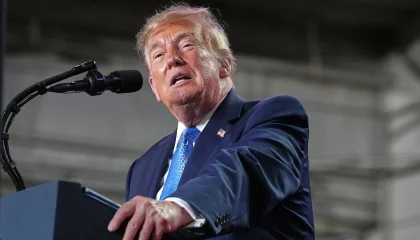
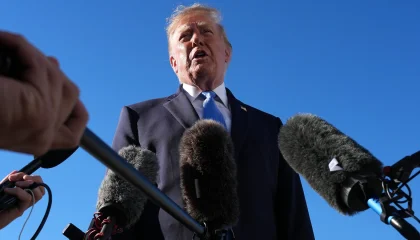
President Donald Trump has repeatedly alleged, without evidence, that California elections are “rigged.” He raised that claim during a Newsmax interview earlier in October.
“In the end, they’re not going to let you win it. They just won’t let you win it because it’s a rigged state,” Trump said.
Trump has pointed to Republican Spencer Pratt’s defeat in the Los Angeles mayoral primary as an example. Pratt held second place on primary night but was later surpassed by Democrat Nithya Raman after additional ballots were counted. In a state where a substantial share of votes are processed after Election Day, such changes can occur without indicating misconduct.
“Spencer Pratt was doing great. And at the end of the election, Election Day, his opponent was crying. Oh, she’s lost so badly. She was crying. Then all of a sudden, like a week and a half later, you hear that she’s surging. Nobody ever heard of her. You know, people that nobody ever heard of don’t surge. The only time they surge is when they cheat,” Trump claimed in early October.
The state’s gradual reporting system can be confusing for voters accustomed to fast election-night calls. But California’s pace is tied to its legal deadlines and the need to review a vast volume of ballots, rather than a single overnight tally.
Party data offers only an early snapshot
Mail ballot data through Oct. 25 showed registered Democrats accounting for 50% of accepted California mail ballots, compared with 29% from registered Republicans. The other 21% came from voters with no party affiliation or those registered with minor parties.
Those figures describe accepted ballots, not final results. Party registration does not determine how an individual voted, and the remaining ballots still need to be received, validated and counted. The complete picture will emerge only as counties finish the work required under California election law.
For Californians watching close races, patience is likely to be essential. Election Day marks the end of voting for many people, but it does not mark the end of the state’s vote-counting process.
Related Reading
Frequently Asked Questions
What is Why California s election results take?
Why California s election results take is the main topic of this guide. The article explains the context, practical details, and next steps readers should understand.
Why does Why California s election results take matter?
Why California s election results take matters because readers are looking for a useful answer, not just a short summary. Good content should match search intent and help them decide what to do next.