Control of Congress Is Up as Voters Decide Tight Races
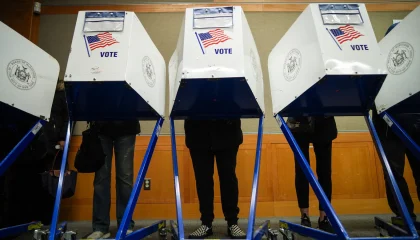
Cyberzenhub.com – Control of Congress is up for grabs as voters head to the polls in the Nov. 3 midterm elections. The results will determine whether Republicans retain unified control in Washington or Democrats win enough races to shift power on Capitol Hill.
With President Donald Trump in the White House, narrow Republican margins in both chambers make a limited number of competitive contests especially important. Democrats are pursuing seats in traditionally Republican territory, while GOP candidates are asking voters to preserve their governing majorities.
A Narrow House Margin Raises the Stakes
All 435 House seats are on the ballot for two-year terms in the 120th Congress. Speaker Mike Johnson of Louisiana enters Election Day with little room for losses.
Republicans hold 218 House seats, while Democrats hold 214. California Rep. Kevin Kiley, who ran for reelection without a party affiliation, has generally supported Johnson during floor votes. Two seats are vacant following the April resignations of former Texas Republican Rep. Tony Gonzales and former Florida Democratic Rep. Sheila Cherfilus-McCormick.
That produces an effective 220-215 advantage for Johnson over House Minority Leader Hakeem Jeffries. Democrats need a net gain of three seats to reach the 218 needed for a simple majority. If they do, Jeffries could become the first Black speaker in U.S. history.
Republicans have emphasized legislation enacted during their two years in power, including the Working Families Tax Cuts Act, previously known as Trump’s “One, Big Beautiful Bill.” Democrats have focused on affordability and anti-corruption, making Trump’s administration and the Republican agenda central themes in competitive districts.
“We are bringing down the cost of living. We are providing more jobs and opportunity for more people. The facts show it and the records show it.”
Johnson has argued that the Republican record merits another term in power. Jeffries has said voters are frustrated and that Democrats are positioned to win the House, but the party must protect vulnerable incumbents while taking enough Republican-held districts.
Senate Control Demands a Bigger Democratic Gain
Control of Congress is up in the Senate as well, though Democrats face a steeper path. Thirty-five of the chamber’s 100 seats are being contested for six-year terms, including 13 Democratic-held seats and 22 Republican-held seats.
Senate Majority Leader John Thune leads a Republican conference with a 53-45 edge over Senate Democrats. Two independents caucus with Democrats, giving the minority 47 seats overall.
Republicans could lose three seats and still keep the Senate because Vice President JD Vance can cast a tie-breaking vote in a 50-50 chamber. Democrats therefore need a net gain of four seats to take the majority, while also defending their existing seats.
The House and Senate maps present different challenges. House control may be decided by district-level contests, while statewide Senate races require either party to assemble victories across a broader map. In both chambers, a small number of outcomes could shape legislation, committee leadership and the direction of the next Congress.
Frequently Asked Questions
How many House seats do Democrats need to gain? Democrats need a net gain of three seats to reach the 218-seat majority threshold.
How many Senate seats do Democrats need to win? Democrats need a net gain of four seats to take Senate control because a 50-50 split would remain under Republican control with Vice President JD Vance’s tie-breaking vote.
Why are a few races so important? The current margins are narrow, so a limited number of competitive House districts and Senate contests can determine which party controls Congress.