
The South braces for more severe weather in the wake of destructive tornadoes
The South Braces for Additional Severe Weather Following Destructive Tornadoes
Severe Weather Intensifies Across the Southern Region
The South braces for more severe – As the week unfolds, Southern states are preparing for intensified weather patterns, according to meteorological authorities. This follows a recent series of tornadoes that wreaked havoc in north Texas, prompting emergency responses and leaving visible signs of damage. The National Weather Service (NWS) has extended its forecast, indicating that the severe weather system is expected to persist through Wednesday, casting a wide arc from Texas to Alabama.
With the weather watch now active in several states, including Texas, Arkansas, Louisiana, Mississippi, and Alabama, residents are advised to monitor updates. While the main threats involve strong winds and hail, the presence of tornadoes remains a critical concern. These storms could disrupt communities, affecting both urban and rural areas, and potentially damaging essential infrastructure.
Recent Tornado Events and Their Impact
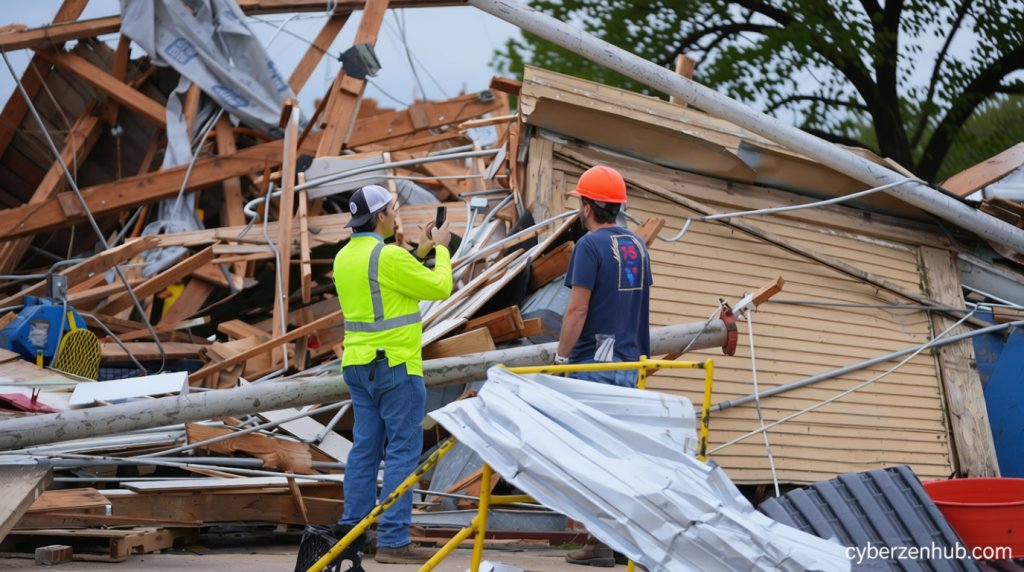
Tuesday’s weather events saw the confirmation of at least seven tornadoes across Texas, Kentucky, and Arkansas, with one notable EF-3 storm striking Mineral Wells, Texas. The tornado, capable of reaching wind speeds up to 145 mph, injured five people and caused extensive damage to homes and buildings. A photo by Julio Cortez/AP captures the aftermath, highlighting the devastation caused by the powerful storm.
A resident photographs a ruined structure in Mineral Wells, Texas, April 29, 2026. Julio Cortez/AP
Further into the southern states, an EF-1 tornado was reported in Rio Vista, near Fort Worth, and another EF-0 tornado touched down in Harden County, Kentucky. These events, though less intense, still illustrate the widespread reach of the current weather system, impacting multiple states and emphasizing the need for ongoing vigilance.
Forecast for Continued Activity and Drought Relief
Looking forward, the active weather system is projected to persist through the weekend, bringing much-needed rainfall to Southern states. This development could provide significant relief to areas experiencing extreme drought conditions, as some regions may see 2 to 5 inches of precipitation. Such a relief could benefit agricultural sectors and help mitigate ongoing water shortages.
Forecasted rainfall from Texas to the Carolinas through the weekend may ease drought conditions and offer relief to struggling communities.
Despite the rain, the NWS warns of cooler temperatures in the early mornings, with overnight lows expected to dip into the 40s and 50s. This contrast between cold nights and potential warmer days later in the week could affect both daily routines and the overall weather outlook for the region.
Extended Weather Outlook and Regional Concerns
A cold front along the East Coast is anticipated to bring heavy downpours to the Mid-Atlantic and Northeast, starting Wednesday night and continuing into Thursday morning. This front could extend its reach to New England, creating scattered thunderstorms and gusty winds. These conditions may complicate the weather outlook for the Carolinas and Mid-Atlantic areas, increasing the risk of additional flooding or delayed planting seasons.
Officials stress the importance of preparedness as the weather system evolves, urging residents to stay informed and take necessary precautions. The NWS continues to issue updated advisories, ensuring that both tornado-prone and rainfall-affected areas receive timely information. While the immediate focus remains on tornado threats, the prolonged rain could introduce new challenges, requiring adaptability from local authorities and communities.
Community Response and Emergency Coordination
Emergency management teams across multiple states are working in tandem to address the unfolding situation. In Texas, efforts are underway to assess damage and provide support to impacted families. Meanwhile, in Kentucky and Arkansas, officials are evaluating the effects of the EF-0 and EF-1 tornadoes, ensuring resources are allocated effectively. This coordinated response reflects the scale of the current weather events and the preparedness of the region.
As the South braces for more severe weather, the focus remains on minimizing disruption and protecting vulnerable populations. The NWS’s ongoing monitoring and timely communication are vital in helping residents navigate the dual threats of tornadoes and heavy rainfall. This situation underscores the importance of community resilience and proactive measures in the face of extreme weather conditions.