
Trump met with oil and gas executives as Iran war drags on, prices surge
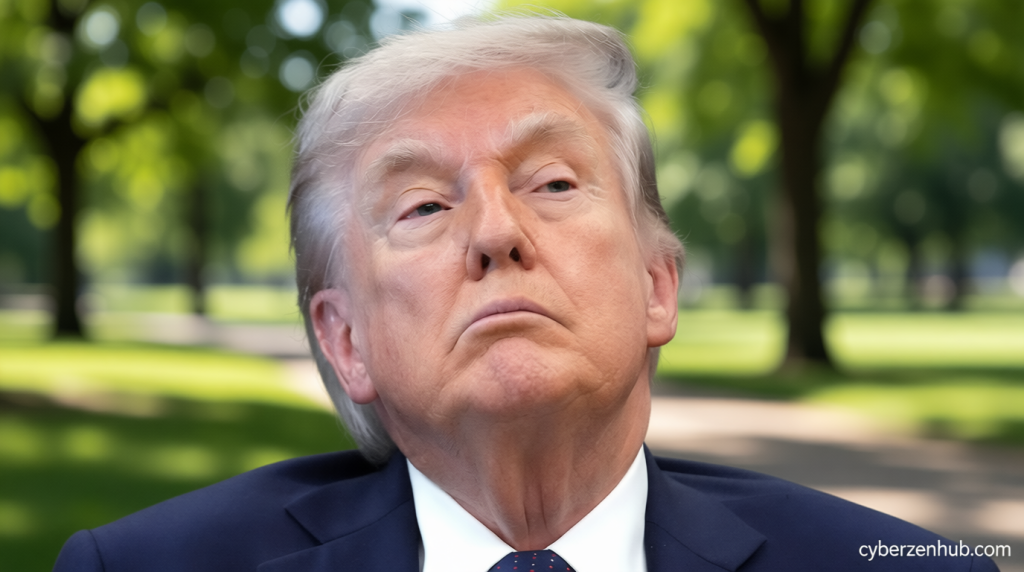
White House Meeting with Energy Executives Amid Ongoing Iran Conflict and Soaring Fuel Costs
Trump met with oil and gas executives – As tensions with Iran persist and fuel prices reach their peak in four years, the White House confirmed that President Donald Trump convened with a select group of oil and gas industry leaders on Tuesday. The gathering, hosted by Treasury Secretary Scott Bessent, included Vice President JD Vance and White House chief of staff Susie Wiles. During the meeting, executives explored a range of topics, with a focus on maintaining the U.S. naval blockade of the Strait of Hormuz, a key strategic chokepoint for global oil trade. The discussions centered on potential measures to sustain the blockade for extended periods, aiming to reduce the burden on American consumers while pressuring the Iranian regime.
Trump has consistently maintained that the blockade will remain in place until Iran agrees to a comprehensive peace deal addressing its nuclear program. This stance was reiterated during a Wednesday interview with Axios, where the president criticized an Iranian proposal that would end the naval embargo without a nuclear agreement. “We can’t just give them a break without them making concessions on their nuclear capabilities,” Trump stated, emphasizing his resolve to leverage the standoff for geopolitical advantage.
Economic Strain and Public Concerns
The meeting occurred amid a surge in gas prices, which have risen by $1.29 per gallon—over 44%—since the conflict began. This marks the highest average price for gasoline in the U.S. since Russia’s invasion of Ukraine in 2022. With Americans now spending approximately $4.23 per gallon, the financial pressure on households has intensified. The White House acknowledged the economic strain but framed the discussions as constructive, highlighting Trump’s efforts to stabilize domestic energy markets.
Despite his public dismissal of rising prices earlier in the month, the president’s recent comments reveal a growing concern over the economic fallout. During an appearance in the Oval Office on April 23, Trump told a reporter that Americans should expect elevated fuel costs “for a little while,” underscoring his belief that the current situation is temporary. However, this perspective contrasts sharply with the realities faced by everyday consumers and small businesses.
“We’ve noticed that we’re getting increased charges with every delivery that we receive,” said Jessica Woods, a co-owner of a small independent grocery store in Washington, D.C. “Six, seven deliveries per day, and more and more of those come with an associated fuel charge.” Woods noted that large truck deliveries from national distributors, which occur twice weekly, now include fuel fees as high as $55 per shipment. “There are definitely months where we’re not making a profit at all, especially with the fresh produce we love having around. There’s also not much margin for error, but you have to sell what’s in stock,” she added.
The economic ramifications of the conflict extend beyond the immediate effects on fuel costs. With Trump’s decision to cancel a second round of talks in Pakistan, citing a lack of urgency, the administration has shifted focus to domestic energy production. The Treasury Secretary emphasized the importance of domestic output, aligning with Trump’s broader strategy to bolster American energy independence. This approach includes invoking wartime powers under the Defense Production Act to accelerate oil and gas production, a move that has drawn both support and skepticism from industry insiders.
Political Risks and Congressional Dynamics
As the November elections approach, the administration faces mounting pressure to address the economic crisis. Four recent polls indicate that Americans are increasingly dissatisfied with the national economy, with many perceiving it as deteriorating. Voters have reported making adjustments to their spending habits, prioritizing essentials like food and gas while cutting back on other expenses. For Republicans, the challenge is maintaining their narrow congressional majority amid rising discontent.
Trump’s continued reliance on the Iran blockade has raised questions about its long-term viability. While the strategy aims to disrupt Iranian oil exports and weaken its economy, it has also fueled inflation and consumer unrest. The White House has attempted to downplay the meeting’s significance, calling it a routine exchange to gather insights on both domestic and international energy markets. Officials argue that Trump’s policies, including the Jones Act waiver extension for 90 days, are essential to ensuring stable supply chains and reducing dependency on foreign shipping.
The impact of high fuel prices is evident in everyday life, from consumers at gas stations to businesses grappling with increased operational costs. A customer at a Chevron station in Miami described the situation as “a major burden,” highlighting the difficulty of affording gasoline amid the surge. The administration’s efforts to manage the crisis have been met with mixed reactions, with some praising the proactive measures and others criticizing the lack of immediate relief.
Broader Implications for Global Markets
While the U.S. remains focused on its domestic energy strategy, the Iran conflict continues to ripple through global markets. The prolonged standoff has created uncertainty, affecting oil futures and shipping routes. Industry leaders have expressed both confidence in Trump’s approach and apprehension about its long-term consequences. “The president is doing all the right things right now,” one executive remarked, citing the invocation of wartime authority as a critical step in securing energy supplies.
Analysts warn that the economic strain could escalate if the blockade persists. The situation has already contributed to inflationary pressures, with energy costs accounting for a significant portion of household expenses. As the war drags on, the question remains: can Trump balance his geopolitical goals with the economic needs of the American public? The answer may determine the success of his administration’s broader agenda. With fuel prices at a four-year high and public sentiment shifting, the stakes for the president have never been higher.
The White House meeting with energy executives underscored the complexity of the current crisis. While Trump’s policies have aimed to secure energy markets and leverage the Iran conflict, the financial toll on consumers and businesses is undeniable. As the nation grapples with rising costs, the administration must navigate a delicate balance between strategic objectives and public support. The coming months will be critical in determining whether the blockade will lead to long-term economic stability or further fuel discontent ahead of the November elections.